Support Young Stems
Install a low ring stake or discreet shrub support while the plant is still small so developing shoots stay upright and form a dense, compact framework instead of leaning or splitting after heavy flowering.

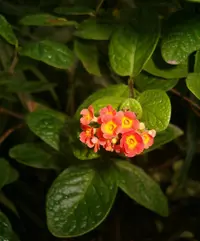
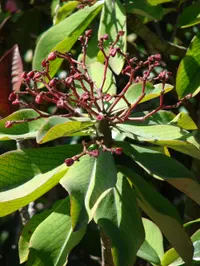
Rondeletia odorata, often called fragrant rondeletia or Panama rose, is a compact, evergreen shrub valued for its clusters of orange-red, sweetly scented flowers. It typically forms a rounded bush with glossy green leaves and blooms over a long season in warm climates.
This species is native to tropical regions of the Caribbean and Central America, where it grows in sunny, well-drained sites. It is moderately easy to grow if protected from frost and given consistent moisture without waterlogging.
Good light, warmth, and fertile, well-drained soil are the main factors that determine how to care for rondeletia successfully.

Care Difficulty
Moderate Care

Light Preference
Full Sun

Water Requirements
Regular Water

Temperature Preference
Tropical / Frost Sensitive

Hardiness Zone
10–11

Soil Texture
Loamy, Sandy, Organic-rich

Soil pH
Acidic (5.5–6.5), Slightly acidic (6.5–7.0)

Soil Drainage
Moist but well-drained

Fertilization
Light (every 4–6 weeks)
Scan your plant to receive care tips personalized for your specific plant
Available on iOS and Android
This shrub needs bright light to flower well but benefits from some protection from harsh sun.
Rondeletia odorata prefers evenly moist, well-drained soil that never stays soggy.
This species grows best in warm, frost-free conditions with only moderate temperature swings.
This shrub prefers moderately humid air but copes with typical indoor levels if not extremely dry.
Rondeletia odorata grows best in freely draining, slightly acidic to neutral, organic-rich soil.
This species suits container growing when the pot supports its woody root system and upright top growth.
This shrub responds well to moderate feeding during the warm growing months.
Thoughtful pruning keeps this flowering shrub compact, healthy, and floriferous.
This shrub is usually grown in the ground, with transplanting done only when necessary.
This species is usually propagated from semi-ripe cuttings for consistent flowering and form.
This tropical shrub is frost-sensitive and benefits from careful winter management in cooler regions.

Plant Health Check
Not sure what's wrong with your plant? Check your plant's health inside the app.
This shrub is native to Cuba and nearby parts of the Caribbean, where its small tubular orange-red flowers produce a fragrance often described as a mix of coffee, vanilla, and honey, especially noticeable in the evening.
The narrow tubular flowers are adapted for pollination by long-tongued insects such as moths and butterflies, which can easily reach the nectar while transferring pollen between blossoms.
In frost-free subtropical areas, this species typically keeps its foliage year-round and can flower over an extended season, making it a long-lasting nectar source for local pollinators.
Lack of flowers usually comes from insufficient light, heavy or incorrect pruning, or excess nitrogen fertilizer. Old, congested stems also reduce flowering. Prune lightly after blooms, avoid overfeeding, and maintain strong light to support bud formation when growing rondeletia.
Keep your plants happy and healthy with plant identification, disease detection, and easy care guidance.