dwarf chinkapin oak Care (Quercus prinoides)

Also known as: Dwarf Chinquapin Oak, dwarf chestnut oak, scrub chestnut oak
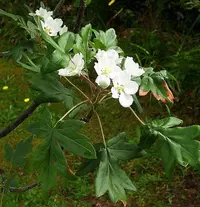
dwarf chinkapin oak

About dwarf chinkapin oak

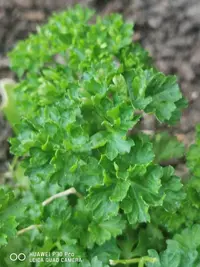
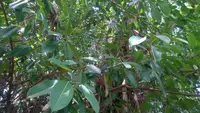
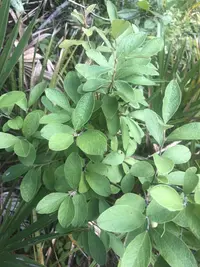
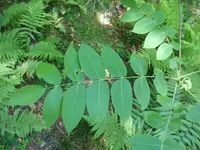
Dwarf chinkapin oak (Quercus prinoides) is a small, slow-growing oak shrub or compact tree, valued for its toughness and wildlife benefits. It typically forms dense, multi-stemmed thickets with small, oval, toothed leaves that turn yellow to bronze in autumn.

This species is native to eastern and central North America, often found on dry, rocky, or sandy soils in open woodlands and prairies. It is generally easy to grow in full sun with well-drained soil, and it tolerates drought once established. Gardeners who want to learn how to care for dwarf chinkapin oak often choose it for low-maintenance naturalistic plantings and habitat gardens.

Main Plant Requirements

Care Difficulty

Easy Care

Light Preference

Full Sun

Water Requirements

Low Water

Temperature Preference

Cold Hardy

Hardiness Zone

4–8

Soil Texture

Sandy, Loamy, Rocky

Soil pH

Acidic (5.5–6.5), Slightly acidic (6.5–7.0)

Soil Drainage

Well-drained

Fertilization

Minimal (feed rarely)

Get Personalized Care Plan

Scan your plant to receive care tips personalized for your specific plant

Available on iOS and Android

How to Care for the dwarf chinkapin oak

Quercus prinoides thrives in open, bright conditions typical of its native woodland edges and prairies.

  • Provide 6–8 hours of direct sun daily; full sun promotes compact growth, strong stems, and higher acorn production in dwarf chinkapin oak.
  • Tolerates light partial shade, especially light afternoon shade, but dense shade leads to sparse branching, slower growth, and reduced nut set.
  • In hot summers, protect young plants from intense late-afternoon sun with nearby shrubs or temporary shade cloth to reduce leaf scorch.

This species prefers evenly moist but well-drained soil and becomes increasingly drought-tolerant as it matures.

  • For established plants, water deeply when the top 5–7 cm of soil feels dry, then allow soil to drain fully before the next watering.
  • Newly planted Quercus prinoides benefits from consistent deep watering during the first 1–2 growing seasons, especially in hot, dry spells.
  • Avoid soggy sites; signs of overwatering include yellowing leaves and dieback, while curled, browning leaf edges indicate drought stress.

This oak is a cold-hardy shrub or small tree that tolerates a wide temperature range once established.

  • Optimal growth occurs around 65–85°F (18–29°C) during the active growing season, with cooler nights improving overall vigor.
  • Mature plants tolerate winter lows near -20°F (-29°C) when dormant, provided roots are in well-drained soil and not in standing water.
  • Handles summer heat up to 95°F (35°C) if soil moisture is adequate; mulch 5–8 cm deep moderates root temperatures and reduces stress.

This species handles a wide humidity range and does not need special humidity management in typical outdoor conditions.

Quercus prinoides prefers mineral, well-aerated soil that mimics dry, rocky native sites.

  • Use sandy or sandy-loam soil with 20–30% coarse mineral material such as sharp sand or small grit to prevent waterlogging.
  • Aim for slightly acidic to neutral pH, around 6.0–7.0, avoiding strongly alkaline or saline conditions that limit nutrient uptake.
  • Incorporate modest organic matter, such as 10–20% compost, to support root development without creating heavy, moisture-holding substrate.
  • Avoid compacted clay, poorly drained low spots, or thick mulch layers directly over the root zone, which encourage root rot.

This species can be grown in containers, mainly for young plants or compact specimens.

  • Choose a deep, heavy container that stabilizes the plant against wind and accommodates a strong taproot and lateral roots.
  • Use a fast-draining mix of sandy loam with added grit or pine bark to prevent chronic moisture around the root collar.
  • Position the container where runoff does not pool around the base, reducing the risk of bark and root collar decay when growing dwarf chinkapin oak.

This native shrub oak generally needs minimal feeding on most garden or natural soils.

  • Where growth is weak or soil is poor, apply a light layer of compost around the root zone in early spring.
  • Use a slow-release, balanced NPK fertilizer (around 10-10-10) at half strength once in spring if needed for caring for dwarf chinkapin oak.
  • Avoid summer overfeeding; excess nitrogen can cause lush, weak growth and reduce drought tolerance.
  • Do not fertilize in late fall or winter to prevent tender new shoots that may suffer cold damage.

Pruning Quercus prinoides focuses on structural health rather than constant shaping.

  • Carry out main pruning in late winter to very early spring while the plant is dormant.
  • Remove dead, diseased, crossing, or storm-damaged branches with sharp, clean bypass pruners or a pruning saw.
  • Thin crowded interior shoots slightly to improve light and air flow, maintaining the natural shrub form.
  • Limit heading cuts; light shaping at the tips is enough to support sturdy, wildlife-friendly growth.

This oak is usually grown in the ground, so care focuses on correct transplanting rather than frequent repotting.

  • Transplant young plants in late fall or early spring, when soil is workable and the shrub is dormant.
  • Look for circling roots, root-bound containers, or very slow growth as signs a nursery plant needs a larger hole or pot.
  • Loosen or lightly tease apart circling roots, set at the same depth, and backfill with native soil to reduce transplant shock.
  • Water thoroughly after planting, then keep soil evenly moist (not saturated) for the first growing season to support establishment.

Propagation of Quercus prinoides is typically done from seed and requires patience and cold treatment.

  • Collect acorns in fall from healthy parent plants, discarding any that float in water or show damage.
  • Provide cold stratification by storing moist acorns at 32–41°F for 2–3 months to break dormancy.
  • Sow stratified seeds in deep containers or outdoor nursery beds with well-drained soil, just below the surface.
  • Keep the medium slightly moist and allow seedlings to grow 1–2 years before moving to a permanent site.

Established dwarf chinkapin oak is very cold hardy and usually needs little special winter care in the ground.

  • Young or newly planted shrubs benefit from 5–8 cm of mulch over the root zone, kept away from the stem.
  • Use hardware cloth or tree guards where winter rodent or rabbit damage is common.
  • Container-grown plants should be sunk into the ground, heavily mulched, or moved into an unheated but sheltered space.

Care Tips

Encourage Multi-Stems

On young plants, lightly head back the central leader at 30–45 cm height in late winter to encourage a multi-stem shrub form that resists wind and produces acorns at a lower, easier-to-harvest height.

Root Zone Protection

Maintain a permanent, 5–8 cm deep mulch ring out to at least the drip line and avoid regular foot or vehicle traffic over the root zone to reduce soil compaction and protect the fine feeder roots that support growth.

Targeted Acorn Management

If volunteer seedlings are a concern, rake and remove acorns soon after they fall or allow livestock/poultry to forage under the canopy in autumn, which reduces unwanted spread while still using the nut crop productively.

Low-Input Pest Monitoring

From late spring through summer, inspect new leaves and twigs every 2–3 weeks for galls, scale insects, or chewing damage, and prune out or spot-treat only affected branches rather than using broad, preventative pesticide sprays.

Training As Living Hedge

For a wildlife or windbreak hedge, plant individuals 1.2–1.8 m apart, tip-prune new shoots by 5–10 cm each year, and gradually interlock side branches so caring for dwarf chinkapin oak also creates a dense, durable barrier.

Common Pests and Diseases

Oak anthracnose

This disease causes irregular brown or tan blotches on leaves, often along the veins, and can lead to leaf distortion and early leaf drop in wet springs.

Solution

Prune and remove fallen, infected leaves to reduce fungal spores, and promote good air circulation by avoiding dense, shaded plantings; in nursery or high-value settings, a registered fungicide labeled for oak anthracnose can be applied at bud break and repeated during prolonged cool, wet weather if symptoms are severe.

Oak leaf blister

This disease produces raised, bubble-like, pale green to yellow blisters on leaves that later turn brown and distorted, especially after cool, wet spring weather.

Solution

Rake and dispose of fallen leaves to lower the amount of overwintering fungus, and avoid overhead irrigation during leaf expansion; in landscapes where appearance is critical, preventive fungicide sprays at bud swell in early spring can reduce infection, although treatment is often unnecessary for long-term tree health.

Oak wilt

This disease leads to sudden wilting, leaf browning from the edges inward, and rapid branch dieback, and can be lethal to oaks growing near infected trees or grafted root systems.

Solution

Promptly remove and destroy infected trees or heavily affected branches to limit spread, avoid pruning or wounding oaks during the growing season when beetles are active, and in high-risk areas consider root graft disruption and consultation with a certified arborist for possible systemic fungicide injections.

Oak gall wasps

These insects induce small to large galls on leaves, twigs, or stems, which can appear as bumps, knobs, or fuzzy balls and occasionally cause twig dieback when heavily infested.

Solution

Prune and dispose of heavily galled twigs and branches during dormancy to reduce the next generation of wasps, and maintain tree vigor through proper watering and mulching so the plant can tolerate moderate gall levels without long-term damage; chemical control is rarely necessary or effective once galls are formed.

Armillaria root disease

This disease, caused by soil-borne fungi, leads to gradual decline, yellowing foliage, branch dieback, and eventual death, often in sites with previous tree removals or poor drainage.

Solution

Improve site conditions by avoiding overwatering, reducing soil compaction, and maintaining a 5–8 cm mulch layer kept away from the trunk, remove severely affected trees including as much of the root system as practical, and avoid replanting oaks in the same spot where Armillaria is known to be established when planning future Quercus prinoides plant care.

Interesting Facts

Natural oak shrubland

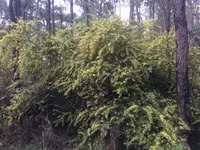
This species often grows as a low, multi-stemmed shrub rather than a tall tree, forming dense thickets in dry, rocky or sandy soils where many other oaks struggle to survive.

Wildlife acorn specialist

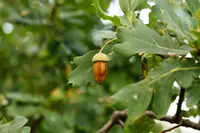
Its small, sweet acorns mature in 1 season and are especially important food for wildlife such as wild turkey, blue jays, and small mammals in dry upland habitats.

Ally of rare plants

Open, sunlit thickets created by this oak help maintain habitat for light-demanding prairie and savanna plants, which can disappear when taller trees shade these sites.

Botan icon

Did you know?

Dwarf chinkapin oak can resprout vigorously from its root system after fire or cutting, allowing individual rootstocks to persist for many decades even though the above-ground stems stay short and are repeatedly replaced.

FAQs about dwarf chinkapin oak

Growth is usually slow to moderate, averaging about 15–30 cm per year once established. Young plants may grow a bit faster, then slow with age. Poor soil, heat, or drought can reduce growth until roots expand deeply.

Grow Healthy Plants with Botan Care

Keep your plants happy and healthy with plant identification, disease detection, and easy care guidance.

Botan plant care app — identify plants on mobile

Explore More Plants