Parsley Care (Petroselinum crispum var. tuberosum)

Also known as: Hamburg Parsley, Turnip-Root Parsley
Parsley

About Parsley

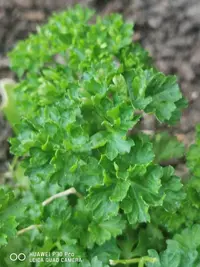
Parsley root, Petroselinum crispum var. tuberosum, is a biennial herb grown mainly for its thick, pale, carrot-like taproot and aromatic leaves. It belongs to the carrot family and forms a leafy rosette above ground with a swollen, edible root below.

This plant likely originated in the Mediterranean region but is now widely grown in temperate gardens and kitchen beds. It has a compact growth habit that fits well in small plots and raised beds.

Parsley root is generally considered moderately easy to grow if soil is loose and well drained, and moisture is kept even. Understanding how to care for Parsley helps prevent bolting, root deformities, and reduced flavor.

Main Plant Requirements

Care Difficulty

Moderate Care

Light Preference

Full Sun

Water Requirements

Regular Water

Temperature Preference

Cool Climate

Hardiness Zone

5–9

Soil Texture

Loamy, Sandy, Organic-rich

Soil pH

Acidic (5.5–6.5), Slightly acidic (6.5–7.0)

Soil Drainage

Moist but well-drained

Fertilization

Light (every 4–6 weeks)

Get Personalized Care Plan

Scan your plant to receive care tips personalized for your specific plant

Available on iOS and Android

How to Care for the Parsley

This root parsley prefers steady light that balances growth and flavor development.

  • Provide 4–6 hours of direct sun daily, best as morning sun with light afternoon shade, especially in hot summers.
  • Accepts partial shade, with 2–4 hours of direct sun plus bright, open sky; expect slightly slower growth but less leaf scorch.
  • Avoid intense all‑day afternoon sun, which can yellow or crisp leaves; in winter, shift containers to the brightest, south-facing spot available.

This plant prefers evenly moist, well-drained soil that never stays soggy.

  • Water when the top 2–3 cm of soil feels dry, allowing moisture to sink 15–20 cm deep to reach the developing roots.
  • In spring and fall, check soil every 2–3 days; in hot, windy weather, inspect daily and adjust based on actual soil dryness.
  • Improve drainage with loose, crumbly soil; pale, limp foliage suggests underwatering, while yellowing and mushy crowns indicate excess moisture.

This plant grows best in cool to mild conditions and tolerates light cold better than heat.

  • Optimal growth occurs around 60–70°F (16–21°C), which supports steady root and foliage development without stress.
  • Plants tolerate down to about 25°F (−4°C) with some leaf damage; hard frosts below this can injure crowns and roots.
  • In summer, growth slows above 80°F (27°C); provide afternoon shade and consistent soil moisture during heat waves to limit stress.

This root parsley handles typical indoor humidity and rarely needs special adjustment.

  • Target 40–60% humidity, similar to most heated homes, to keep foliage from drying at the tips.
  • Accepts drier air but prolonged levels below 30% can cause curled, crispy leaf edges and slower growth.
  • If air is very dry, group pots together or place the container on a pebble tray with water below the pot base.

Soil preparation strongly influences root development and flavor for Petroselinum crispum var. tuberosum.

  • Use a deep, loose, loamy mix with high organic matter so roots can expand without forking or stunting.
  • Ensure fast but even drainage by blending roughly 2 parts compost or garden loam with 1 part sharp sand or fine grit.
  • Aim for a slightly acidic to neutral pH around 6.0–7.0, avoiding strongly acidic or alkaline conditions that reduce nutrient availability.
  • Break up compaction and clods thoroughly before planting to improve aeration and prevent misshapen storage roots.

This species grows reliably in containers when root depth and drainage are managed carefully.

  • Choose a tall container at least 25–30 cm deep so the taproot and storage root can form without bending against the base.
  • Select a heavier material such as ceramic or thick plastic to stabilize the pot against wind once foliage is full.
  • Elevate the container on pot feet so drainage holes stay clear and excess water leaves quickly after heavy rain or watering.

This root parsley benefits from moderate feeding to support leafy growth and strong roots.

  • Use a balanced liquid fertilizer (e.g., 10-10-10) at 1/2 strength every 3–4 weeks during active growth in spring–summer.
  • Alternatively, apply a thin layer of well-rotted compost around plants once or twice per season.
  • Avoid high-nitrogen lawn or granular fertilizers that can burn shallow roots, especially in containers.
  • Stop feeding in late fall and through winter dormancy to prevent weak, frost-tender growth.

Pruning focuses on leaf harvest and hygiene for Petroselinum crispum var. tuberosum rather than shaping.

  • Harvest stems from the outside of the clump, cutting at the base with clean scissors or a sharp knife from spring to early fall.
  • Remove yellowing, damaged, or pest-affected leaves promptly to maintain airflow and reduce disease.
  • Thin very crowded stems to allow light into the center, which supports healthier, stronger foliage growth.
  • Cut flowering stems as they appear if the goal is prolonged leaf production, since flowering diverts energy from foliage.

This root-forming parsley is usually direct-sown, but young plants can be transplanted carefully when needed.

  • Transplant in early spring or early fall when temperatures are mild to limit stress on the taproot.
  • Look for roots circling the pot drainage holes or stalled growth as signs a container plant needs a slightly larger pot.
  • Move the plant with as much intact root ball as possible, disturbing the taproot as little as you can.
  • Water thoroughly after transplanting, then keep soil evenly moist and shade lightly for a few days to support recovery.

Propagation of Petroselinum crispum var. tuberosum is almost always done by seed rather than cuttings or division.

  • Sow fresh seed in early spring or late summer, as older seed loses viability quickly.
  • Pre-soak seeds in lukewarm water for 12–24 hours to speed germination, which can otherwise take 2–4 weeks.
  • Sow seeds 0.5–1 cm deep in loose, well-drained soil and keep consistently moist but not waterlogged.
  • Provide cool to mild temperatures around 55–70°F and full sun to light shade for strong seedling development.

This parsley is moderately cold hardy but benefits from simple winter care in regions with freezing temperatures.

  • In-ground plants tolerate light frost but may suffer in prolonged freezes below about 15–20°F, especially in exposed sites.
  • Apply a 5–8 cm layer of straw or leaf mulch around the crown in late fall to insulate roots.
  • For container plants, move pots to a sheltered, frost-free or minimally heated area with bright light before hard freezes.

Care Tips

Staggered Succession Sowing

Sow small batches every 3–4 weeks from early spring to midsummer so root harvests are spread out and plants do not become woody or over-mature all at once.

Focused Root Harvesting

Pull every other plant in the row for harvest to give remaining roots extra space to size up, rather than thinning early and wasting potential yield.

Targeted Foliage Management

Remove only 1⁄3 of the foliage at a time and always leave strong outer leaves so the plant can continue to photosynthesize and build energy into the storage root.

Soil Surface Mulching

Apply a 2–3 cm layer of fine compost or clean straw once seedlings are established to reduce surface crusting, keep the upper soil profile evenly moist, and encourage straight, unforked roots.

Overwinter Storage In-Ground

In cold regions, leave mature roots in the ground under a 5–10 cm mulch and lift them gradually through winter, which keeps texture firm and reduces the need for long indoor storage when growing Parsley for its roots.

Common Pests and Diseases

Carrot fly

This pest is a small dark fly whose larvae tunnel into the fleshy roots, causing brown tunnels, cracking, and poor root development.

Solution

Use fine mesh or insect netting over the bed from sowing to harvest, avoid thinning or handling plants in warm still weather, and rotate crops annually; for caring for Parsley in open beds, interplant with strongly scented herbs like chives or onions to help confuse the adult flies and remove any badly damaged roots promptly.

Celery leaf miner

This pest is the larval stage of a small fly that burrows between leaf surfaces, creating pale winding trails and weakening foliage needed to feed root growth.

Solution

Remove and dispose of mined leaves as soon as damage appears, keep plots free of umbel family weeds that can host the insect, and use light fleece or mesh covers if infestations are recurring; in small gardens, yellow sticky traps placed near plants can help monitor adult activity.

Parsley aphid

This pest forms dense colonies on stems and undersides of leaves, causing curling, yellowing, and stunted foliage that can indirectly reduce root size.

Solution

Spray plants with a firm jet of water to dislodge colonies, then treat remaining clusters with insecticidal soap or a ready-to-use horticultural oil, repeating every 5–7 days until population drops; encourage natural predators such as lady beetles by avoiding broad-spectrum insecticides.

Fungal leaf spot

This disease causes small water-soaked or dark brown spots on leaves that can merge into larger blotches, leading to premature yellowing and dieback of the canopy.

Solution

Remove affected leaves promptly, water at soil level rather than overhead, and provide good row spacing to improve airflow; where problems persist, use an appropriate copper or bio-fungicide as a protective spray during warm, humid periods and practice 3–4 year rotation away from other Apiaceae crops.

Crown and root canker

This disease produces sunken, dark lesions at the crown and on upper roots, often with cracking and distortion that make the roots unusable or prone to secondary rots.

Solution

Avoid sowing into cold, compacted, or poorly drained soil, and space plants to allow good air circulation around crowns; remove and destroy symptomatic plants, practice long rotations with non-Apiaceae crops, and keep the soil surface free of plant debris to reduce pathogen carryover.

Interesting Facts

Edible storage root

This parsley variety forms a thick, pale taproot that is eaten as a root vegetable, similar in use and texture to parsnip, while the leaves are usually considered secondary for harvest.

Central European origin

The root type is believed to have been selected and developed in Central and Eastern Europe, where it became a traditional ingredient in soups, stews, and winter vegetable mixes distinct from leaf parsley types.

Distinct from parsnip

Although its root looks similar to parsnip, it belongs to a different genus, has a cleaner, parsley-like aroma, and lacks the strong sweetness and flavor profile typical of true parsnip roots.

Botan icon

Did you know?

In many traditional Central and Eastern European soup mixes, the root of this parsley type is counted as one of the classic aromatic vegetables alongside carrot and celery, forming a characteristic flavor base that differs from the French mirepoix combination.

FAQs about Parsley

Yes, the leaves and roots are edible and widely used as a culinary herb and vegetable. Harvest outer leaves or roots as needed, and always rinse before use to remove soil and possible contaminants.

Grow Healthy Plants with Botan Care

Keep your plants happy and healthy with plant identification, disease detection, and easy care guidance.

Botan plant care app — identify plants on mobile

Explore More Plants