Elephant's Ear Care (Colocasia esculenta 'Mojito')

Also known as: Taro

About Elephant's Ear

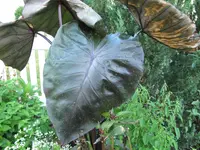
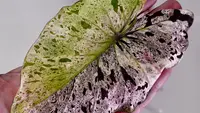
Colocasia esculenta 'Mojito' is a tropical aroid grown for its large, heart-shaped leaves splashed with irregular dark green and near-black markings. It forms bold clumps from underground tubers and is usually grown as a striking foliage plant in containers, borders, or around water features.

In nature, its species originates from wet, warm regions in Southeast Asia and has long been cultivated in many tropical and subtropical areas. The plant prefers consistently moist soil, warmth, and bright but indirect light, which influences how easy it is to care for Elephant's Ear, especially in cooler or drier homes.

Main Plant Requirements

Care Difficulty

Moderate Care

Light Preference

Partial Shade

Water Requirements

Keep Soil Moist

Temperature Preference

Tropical / Frost Sensitive

Hardiness Zone

8–11

Soil Texture

Loamy, Silty, Organic-rich

Soil pH

Acidic (5.5–6.5), Slightly acidic (6.5–7.0)

Soil Drainage

Waterlogged tolerant

Fertilization

Heavy (weekly, diluted)

Get Personalized Care Plan

Scan your plant to receive care tips personalized for your specific plant

Available on iOS and Android

How to Care for the Elephant's Ear

Colocasia esculenta 'Mojito' thrives with bright, indirect light and some gentle direct sun.

  • Provide 3–5 hours of morning sun with filtered or dappled light the rest of the day; avoid harsh afternoon sun that can scorch leaves.
  • Plant outdoors in partial shade; aim for bright shade or light under high tree canopy, especially in hot summer climates.
  • In cooler seasons, move containers or position plants where they still receive bright indirect light, or growth and variegation may weaken.

This plant prefers consistently moist soil and does not like to dry out completely.

  • Keep soil evenly moist so the top 1–2 cm just begins to feel slightly dry before watering again; do not let it turn dusty or pull from the pot edges.
  • Use rich, well-draining soil that still holds moisture; avoid standing water in saucers or low spots to reduce root rot risk.
  • In hot summer weather, expect to water more often and watch for wilting or drooping edges, while yellowing, limp leaves and a sour smell indicate possible overwatering.

This cultivar grows best in warm, frost-free conditions with stable temperatures.

  • Aim for 70–85°F (21–29°C) for active growth; it can tolerate up to about 90°F (32°C) if soil stays moist and roots are shaded.
  • Protect from cold; growth slows below 60°F (16°C), and tissue damage can occur near 40°F (4°C), with true frost likely killing foliage.
  • In regions with winters below 50°F (10°C), treat it as a tender perennial by lifting tubers or growing Elephant's Ear in containers that can be moved to a frost-free area.

This cultivar prefers consistently high humidity to keep foliage large and healthy.

  • Aim for 60–80% humidity; it tolerates brief dips lower but performs poorly in very dry air.
  • Crisping leaf edges, brown tips, and leaf curl signal low humidity stress in Elephant's Ear.
  • Increase humidity with grouped plants, a room humidifier, or a wide pebble tray placed directly under the container.

Colocasia esculenta 'Mojito' grows best in moisture-retentive yet aerated soil.

  • Use a rich, loamy mix with high organic content, such as 50% peat or coco coir, 30% compost, and 20% perlite or fine bark.
  • Soil should drain slowly but never stay stagnant; water should seep out within a few minutes rather than pooling on top.
  • Aim for slightly acidic to neutral pH around 6.0–7.0 to support nutrient uptake and vigorous foliage growth.
  • Avoid dense, heavy clay or pure sand; improve structure with compost for moisture and perlite or bark for better aeration.

This species is well suited to container growing when moisture and stability are managed carefully.

  • Choose a wide, heavy container to counterbalance tall foliage and prevent tipping in wind or on balconies.
  • Select a pot that is deep enough for thick, spreading roots so the plant can hold moisture without staying waterlogged at the surface.
  • Use a container material that matches your climate: plastic to retain moisture in hot, dry areas or unglazed clay to reduce constant sogginess in cooler regions.

Colocasia esculenta 'Mojito' responds well to consistent nutrition during its warm growing season.

  • Use a balanced liquid fertilizer (around 10-10-10 or 20-20-20) diluted to 1/2 strength every 2–3 weeks in spring and summer.
  • For container plants, combine light liquid feeding with a small amount of slow-release fertilizer in early spring.
  • In rich garden soil, supplement with a thin layer of compost around the root zone once or twice per season.
  • Stop feeding or reduce to 1/4 strength once a month in fall and winter when caring for Elephant's Ear growth slows.

Pruning for Colocasia esculenta 'Mojito' focuses on removing aging foliage and maintaining tidy growth.

  • Best time for pruning is during active growth in spring and summer, or as individual leaves decline.
  • Cut yellowing, torn, or diseased leaves at the base of the petiole with clean, sharp pruners or scissors.
  • Remove crowded or inward-growing leaves to improve airflow and reduce fungal issues around the clump.
  • Discard any soft, rotten tissue promptly to limit spread of rot and keep new growth vigorous.

Repotting or transplanting aims to give this Elephant's Ear more root space and fresh, nutrient-rich substrate.

  • Look for roots circling the pot, emerging from drainage holes, or a noticeable slowdown in growth as signs to move it.
  • Plan repotting or transplanting in mid to late spring once soil and air are consistently warm.
  • Typically shift to a container 2–5 cm wider every 1–2 years, using moisture-retentive but well-draining soil.
  • Water thoroughly after moving, keep in bright shade for 3–5 days, and maintain even moisture to reduce root stress.

New Colocasia esculenta 'Mojito' plants are most often produced by division of the main clump and its offsets.

  • Carry out division in late spring or early summer when soil is warm and growth is active.
  • Lift the clump gently and separate tubers or offsets, ensuring each piece has at least one growing point and some roots.
  • Plant divisions into moist, well-draining soil and keep evenly damp, never waterlogged.
  • Provide warm temperatures (70–85°F) and bright, indirect light to encourage rapid establishment of new plants.

Cold management is important, as this cultivar is sensitive to freezing conditions in much of the US.

  • In zones warmer than about 8–9, apply a 5–10 cm mulch layer over the root zone after foliage dies back.
  • In colder regions, dig tubers after the first light frost, trim foliage, and dry briefly in a shaded, airy place.
  • Store tubers in slightly moist peat or sawdust at 45–55°F, checking monthly for rot or complete drying.
  • For container plants, move pots indoors to a cool, bright, frost-free space and water just enough to keep soil barely moist.

Care Tips

Sturdy Container Choice

Use a wide, heavy container or sink pots directly into beds to counteract the large leaves acting as sails in wind and to keep the plant from tipping as the clump enlarges.

Edge Rhizome Management

Each spring, slice away and replant only the strongest outer rhizomes and discard congested, weak central pieces to maintain vigorous, upright growth and bolder variegation.

Warm-Start Potting

For climates with cool springs, pre-sprout rhizomes indoors in snug pots with bottom heat around 75–80°F, then harden off and transplant once nights are reliably above 55°F to extend the growing season.

Water-Feature Setup

When growing in a pond or water feature, place the pot so the crown sits just above the waterline and only the lower pot is submerged, which prevents rot while taking advantage of the plant’s high moisture tolerance.

Overwintering Rhizomes

In cold climates (below USDA zone 8), lift rhizomes after frost, dry them for a day, then store in barely damp peat or coco coir at 45–55°F, checking monthly and discarding any that become soft or moldy as part of caring for Elephant's Ear.

Common Pests and Diseases

Taro leaf blight

This disease causes water-soaked lesions on leaves that quickly turn brown, often with a yellow halo and irregular edges. Symptoms include rapid spreading in warm, humid, rainy conditions and collapse of entire leaves.

Solution

Remove and dispose of affected leaves promptly, keeping foliage dry by watering at soil level and avoiding overhead irrigation. Improve spacing and airflow, and in outdoor plantings consider a preventative copper-based fungicide during prolonged wet weather as part of broader Colocasia esculenta 'Mojito' care.

Pythium root and corm rot

This disease leads to soft, brown, water-soaked roots and corms, with above-ground symptoms such as wilting, stunting, and yellowing despite moist soil. Symptoms include a foul smell from decaying underground tissues in severe cases.

Solution

Improve drainage, avoid waterlogged soil, and do not let pots sit in standing water, especially in cool conditions. Discard severely affected plants and replant only into fresh, well-drained medium, using clean containers and tools to limit spread of the pathogen.

Spider mites

These insects feed on leaf undersides, causing fine speckling, dulling of the green color, and eventual bronzing or browning of foliage. This pest thrives in hot, dry indoor or greenhouse conditions and may leave fine webbing between petioles and leaves.

Solution

Rinse leaf undersides thoroughly with a strong but gentle stream of water, then maintain higher humidity and regularly inspect new growth. For persistent infestations, use insecticidal soap or a horticultural oil labeled for mites, repeating applications as directed until populations are controlled.

Aphids

These insects cluster on tender stems and leaf undersides, sucking sap and causing curling, distortion, and sticky honeydew that can lead to sooty mold. This pest often appears on new growth during warm, lush growth periods outdoors or in greenhouses.

Solution

Physically remove aphids with a firm stream of water or by wiping infested areas with a damp cloth, then remove heavily infested shoots if needed. Follow with insecticidal soap or neem oil applied thoroughly to all leaf surfaces, repeating at 5–7 day intervals until the colony is reduced.

Dasheen mosaic virus

This disease causes mottled, streaked, or distorted leaves with irregular light and dark green patterns and reduced vigor over time. Symptoms include smaller leaves and overall stunting rather than rapid collapse.

Solution

Remove and discard infected plants since viruses cannot be cured, and avoid reusing soil or propagating from symptomatic specimens. Control sap-feeding insects such as aphids, disinfect tools between plants, and source new Colocasia stock from reputable, virus-tested suppliers to reduce future risk.

Interesting Facts

Stable mosaic variegation

This cultivar shows a mottled, paint-splatter pattern where green and darker patches occur within the same leaf tissue rather than in large blocks, indicating a stable chimeral variegation that tends to hold through the season instead of frequently reverting to solid green.

Taro heritage retained

Although selected for ornamental foliage, this plant is a form of the edible taro species Colocasia esculenta, so it shares the same underground corm structure and a similar growth rhythm tied to warm, wet conditions and a pronounced dormant phase.

Water-margin adaptability

This cultivar tolerates planting at the edges of ponds or in very shallow water, reflecting its origin from a wetland species that naturally grows in saturated soils and along streams in tropical and subtropical regions.

FAQs about Elephant's Ear

Brown edges usually result from low humidity, underwatering, fertilizer burn, or salt buildup in the soil. Improve humidity, water deeply but less often, flush the pot occasionally, and avoid applying strong fertilizer to dry soil.

Grow Healthy Plants with Botan Care

Keep your plants happy and healthy with plant identification, disease detection, and easy care guidance.

Botan plant care app — identify plants on mobile

Explore More Plants