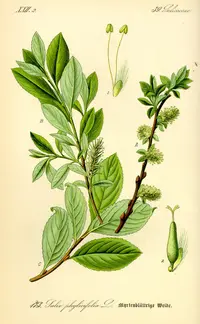


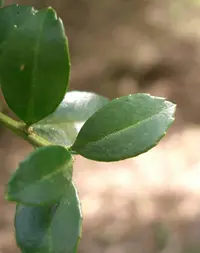

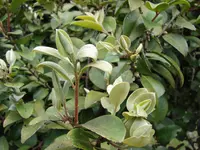
willow (Salix bicolor) Light Needs

willow grows best in full sun, with several hours of direct light each day and open sky exposure.

Light Preference

Full Sun

Salix bicolor Light Requirements

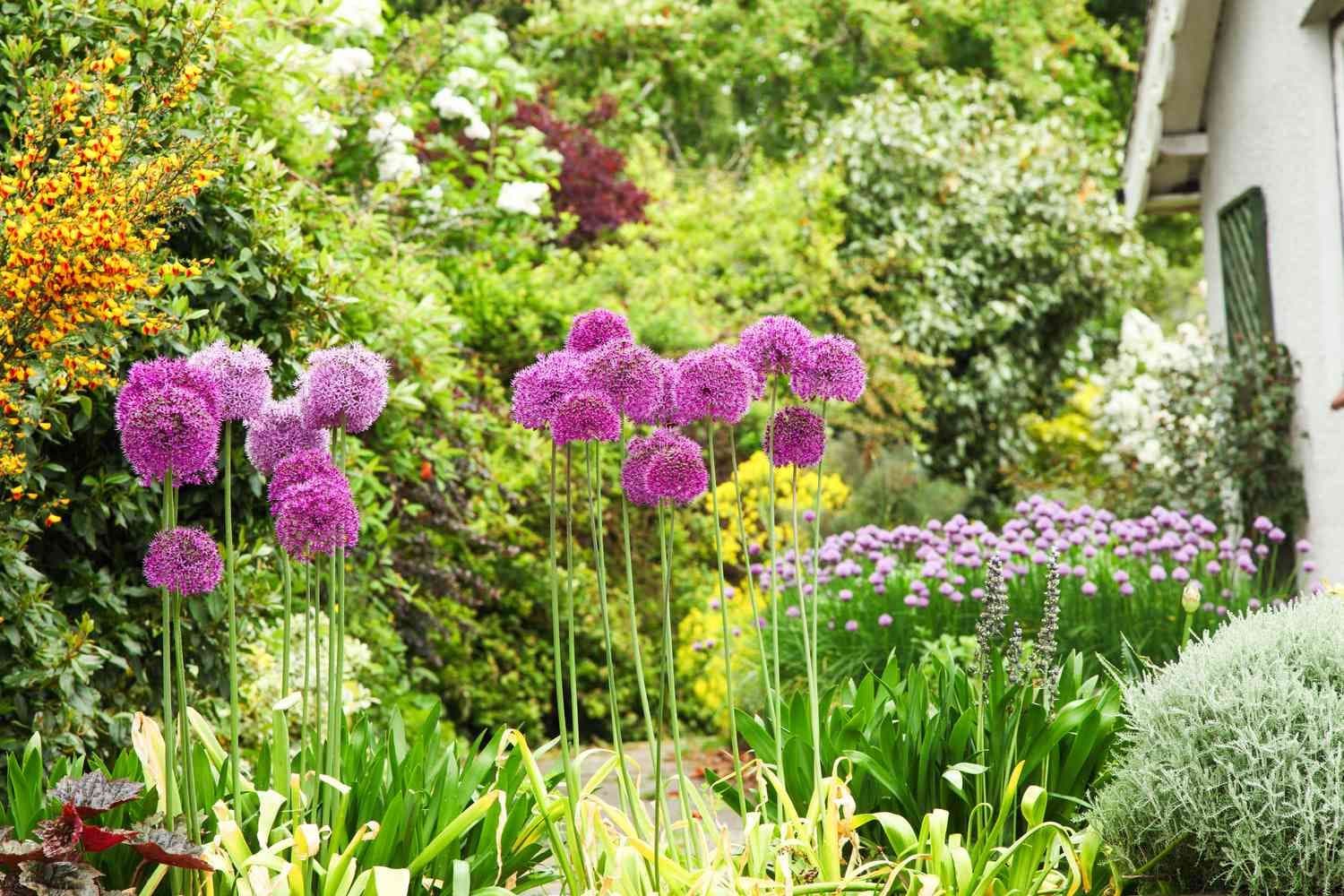
In the wild, willow is associated with open, moist habitats such as stream edges, wet meadows, and sunny thickets. These sites usually have broad sky exposure rather than deep shade, although nearby shrubs or seasonal growth may create brief filtered light.

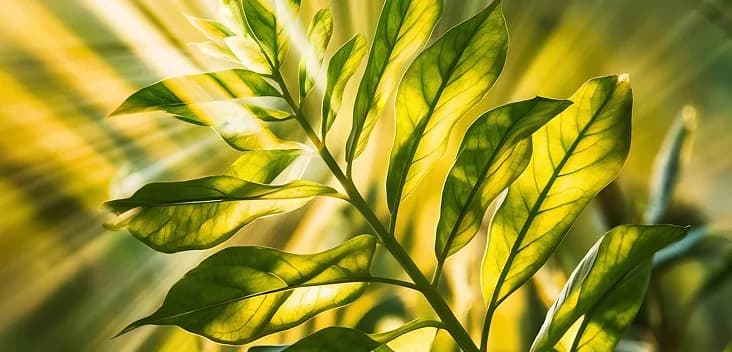
Cultivated plants follow the same pattern. Strong light supports dense shoots and normal leaf color. Preferred light is full sun.

  • Ideal exposure:

    willow needs about 6–8 hours of full sun daily, including 6 or more hours of direct sun when possible.

  • Direct sun:

    Established plants tolerate direct sun for most of the day when surrounding heat is moderate.

  • Part sun:

    Four to 6 hours of direct sun is tolerated, but growth may be looser than in full sun.

  • Deep shade:

    Shade is unsuitable because shoots weaken and the plant loses its naturally dense form.

  • Afternoon heat:

    Hot afternoon sun is usually acceptable outdoors, but reflected heat can make exposed leaves scorch after sudden changes.

Full sun is usually suitable, but abrupt or extreme exposure can still stress young or recently moved plants.

Bleached patches:

Leaves may develop pale tan or silvery areas on the most exposed side after a sudden move into stronger sun.

Crisp sun-facing tips:

Thin leaf tips can dry where afternoon sun is intensified by heat, walls, pavement, or reflected glare.

Curled leaves:

Foliage may curl or look dull during the brightest part of the day when light and heat are excessive.

Stalled tender growth:

New shoots may look shortened or hardened if strong sun arrives before the plant has adjusted.

Reduce stress by shifting the plant to gentler full sun, blocking reflected glare, or using temporary light shade. Reintroduce stronger sun over 1–2 weeks.

Too little light most often shows as weak structure rather than immediate leaf damage.

  • Long spacing:

    New shoots may stretch with wider gaps between leaves as the plant reaches toward brighter exposure.

  • Leaning growth:

    Branches can angle toward the open sky or the brightest side of the planting area.

  • Sparse canopy:

    Interior growth may thin because shaded shoots receive too little energy to stay dense.

  • Small new leaves:

    Fresh leaves may be smaller than expected during the active growing season.

  • Slow spring growth:

    Growth may remain weak in spring and summer when shade blocks several hours of direct sun.

Move the plant to a more open site with direct sun for most of the day. Avoid deep shade, especially from buildings or dense overhead cover.

Choose the brightest open position available if ideal full sun is limited. A site with 4–6 hours of direct sun is workable, but denser growth needs longer exposure.

Thin nearby obstructions that cast midday shade. For a container plant, turn the pot every few weeks so new growth does not lean one way.

Deep shade beside a wall, fence, or roof overhang is unsuitable because it blocks the direct sun this species needs.

Get Personalized Care Plan

Scan your plant to receive care tips personalized for your specific plant

FAQ

The best light for willow is full sun, with about 6–8 hours of daily light. Part sun can work, but growth is usually stronger in open exposure.

Everything About willow

More Plant Light Guides

Get the Botan App

Discover how to care for your plants with Botan.

Botan app identifying a plant with a phone camera
Plants That Repel Mosquitoes – 10 Effective Choices

8 min read · 6 Jul 2026

Plants That Repel Mosquitoes – 10 Effective Choices

Plants that repel mosquitoes can help mask human scent naturally and make outdoor spaces more comfortable. Explore the most effective options, their benefits and drawbacks, and choose the right plant for your space.

Plant Recommendations
Plants That Repel Mosquitoes – 10 Effective Choices
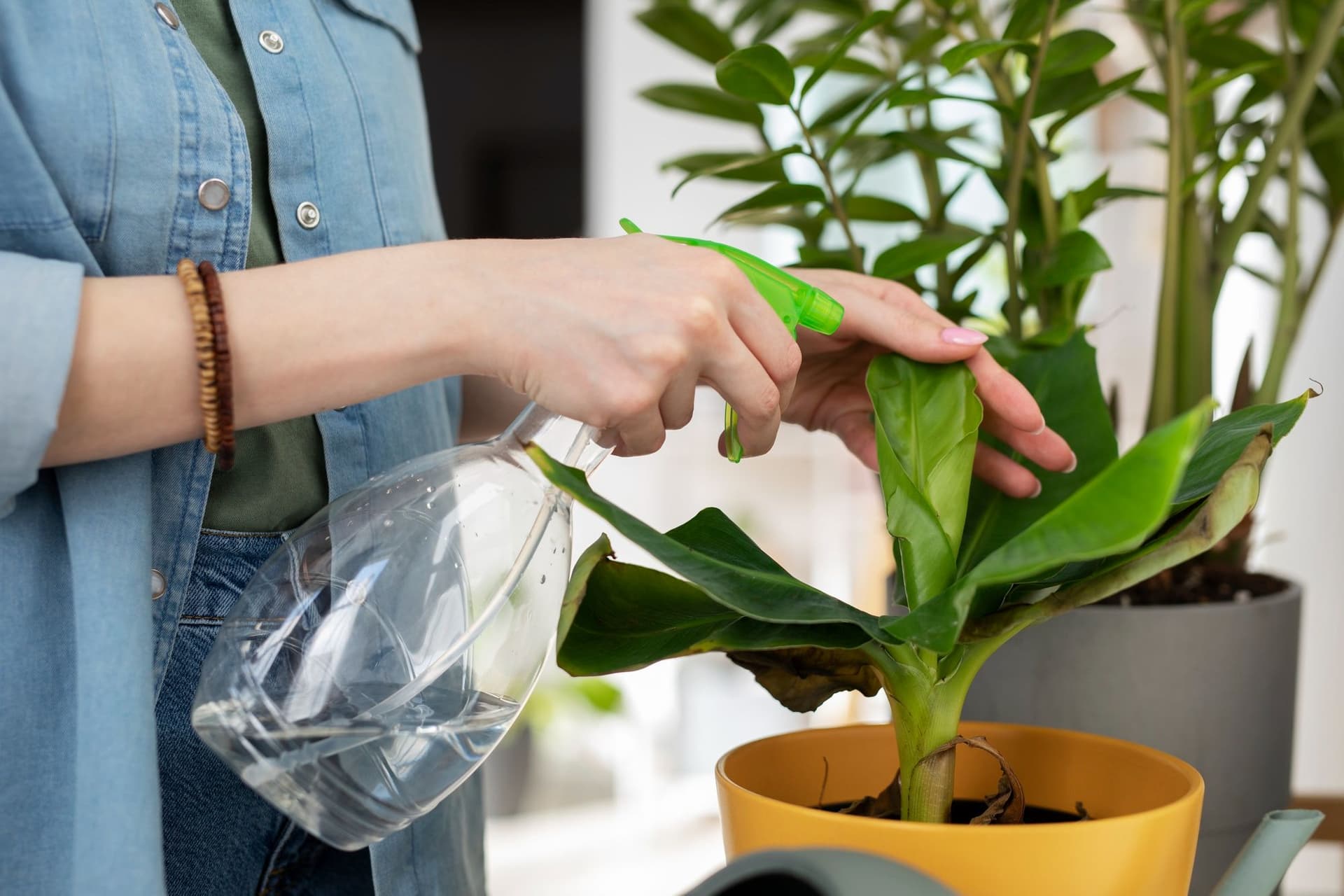
How to Mist Plants – Proper Technique and Common Mistakes

7 min read · 30 Jul 2026

How to Mist Plants – Proper Technique and Common Mistakes

Find out when misting works well and when to avoid it. Here, you’ll find detailed information about compatible and incompatible species, tips on how often to mist plants and do it correctly, and some great alternatives for raising humidity.

Beginner Guides
How to Mist Plants – Proper Technique and Common Mistakes
Best Fertilizer for Vegetable Gardens – What to Use for Each Plant

11 min read · 20 Jul 2026

Best Fertilizer for Vegetable Gardens – What to Use for Each Plant

Here, you’ll find the right fertilizer formula for vegetables in your garden. Learn how to adjust feeding correctly throughout the growing cycle, spot nutrient deficiencies by their symptoms, and keep your plants healthy and prolific.

Plant Recommendations
Best Fertilizer for Vegetable Gardens – What to Use for Each Plant