


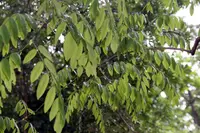

lama (Diospyros sandwicensis) Light Needs

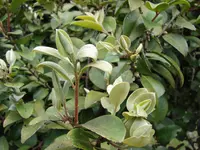
lama grows best in full sun, with several hours of direct light and bright exposure through the day.

Light Preference

Full Sun

Diospyros sandwicensis Light Requirements

Diospyros sandwicensis is native to Hawaiʻi, where it occurs in dry to mesic forests and open woodland conditions. Young plants may begin with some filtered light, but established trees are commonly exposed to strong tropical sun and high outdoor brightness.

Cultivated plants follow the same pattern: steady light supports compact growth, stronger stems, and better flowering potential. Preferred light is full sun.

  • Ideal exposure:

    Diospyros sandwicensis needs about 6–8 hours of full sun or very bright outdoor light daily, including 4–6 hours of direct sun.

  • Full sun tolerance:

    Established plants tolerate all-day sun when acclimated, especially in open ground with steady air movement.

  • Partial sun:

    Half-day sun can work, but growth may be looser and flowering may be reduced compared with full sun.

  • Risky shade:

    Deep shade is not suitable because the plant tends to stretch and lose vigor during active growth.

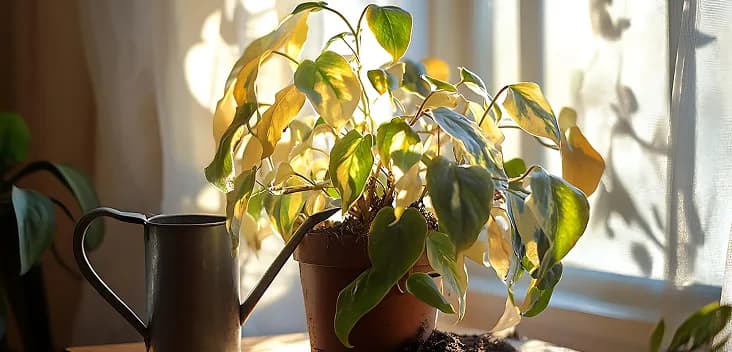
Excess light is usually linked to sudden exposure or reflected heat.

Bleached patches:

Pale, papery areas may appear on leaves that face the strongest afternoon sun after a quick move into open exposure.

Sun-facing scorch:

Tan or gray-brown marks can develop mostly on the outer, upper canopy rather than evenly through the plant.

Heat-stalled tips:

Tender new growth may look dull, curled, or paused when Diospyros sandwicensis sits near hot pavement or walls.

Move it to bright morning sun or lightly filtered afternoon light, then increase exposure gradually. Avoid cutting off lightly damaged leaves until the plant is stable.

Weak light causes thinner, less compact growth before severe decline.

  • Long spacing:

    New shoots may have wider gaps between leaves as the plant reaches toward stronger light.

  • One-sided lean:

    Growth can angle toward the brightest side, especially when nearby structures block direct sun.

  • Small new leaves:

    Fresh leaves may emerge smaller than older foliage during the active growing season.

  • Reduced flowering:

    Mature Diospyros sandwicensis may flower less when grown in persistent shade or only brief sun.

Move it to a brighter outdoor position with partial sun first, then work toward full sun. Make the change over 1–2 weeks to reduce sun shock.

When full sun is not available, choose the brightest outdoor spot with at least half-day sun. Prioritize morning and midday sun over a shaded patio or a narrow side yard.

Increase exposure in stages after purchase or relocation. Rotate a young container plant every 1–2 weeks if buildings shade one side.

Avoid permanent deep shade; it does not meet Diospyros sandwicensis light needs.

Get Personalized Care Plan

Scan your plant to receive care tips personalized for your specific plant

FAQ

The best light for lama is full sun outdoors. This plant does well with strong daily brightness and several hours of direct sun, especially after it has adjusted to the site.

More Plant Light Guides

Get the Botan App

Discover how to care for your plants with Botan.

Botan app identifying a plant with a phone camera
Best Time to Mow Lawn – A Complete Guide

5 min read · 10 Aug 2026

Best Time to Mow Lawn – A Complete Guide

Explore when to mow your lawn for its health and a pleasant green color. Find out the best time for this task during the summer heat, and follow practical tips for correctly cutting the grass, and learn common mistakes to avoid.

Plant Care
Best Time to Mow Lawn – A Complete Guide
What Do Plants Need to Grow – 5 Things Every Greenery Can't Live Without

8 min read · 31 Jul 2026

What Do Plants Need to Grow – 5 Things Every Greenery Can't Live Without

To keep plants healthy and thriving, provide the right balance of light, humidity, nutrients, airflow, and quality soil. This guide covers the essentials of year-round plant care.

Beginner Guides
What Do Plants Need to Grow – 5 Things Every Greenery Can't Live Without
Banana Peel Water for Plants: 5 Things to Know Before Trying It

5 min read · 9 Jul 2026

Banana Peel Water for Plants: 5 Things to Know Before Trying It

Banana water can provide potassium and some nutrients that may support plant growth, but it is not a universal fix. Use it carefully and only when the plant actually shows signs of nutrient deficiency rather than as a routine treatment.

Plant Care
Banana Peel Water for Plants: 5 Things to Know Before Trying It