Protect Surface Roots
Mulch lightly with a 5–8 cm layer of coarse wood chips kept 5–8 cm away from the trunk to protect this species’ shallow feeder roots from heat, compaction, and mechanical damage during maintenance.

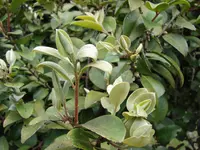
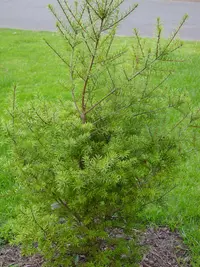
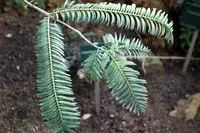
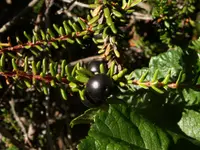
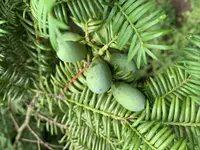
Lama, Diospyros sandwicensis, is an evergreen tree native to dry and mesic forests of the Hawaiian Islands. It is part of the ebony family and can form a dense, rounded canopy. The tree typically has thick, dark green leaves and hard, fine-grained wood. Mature specimens may have a gnarled, sculptural trunk in exposed coastal or upland sites. In cultivation, lama grows slowly and can be sensitive to disturbance, which makes it more challenging than many common landscape trees. It prefers well-drained soils, moderate moisture, and steady light, so understanding how to care for lama is important before planting.

Care Difficulty
Hard Care

Light Preference
Full Sun

Water Requirements
Moderate Water

Temperature Preference
Tropical / Frost Sensitive

Hardiness Zone
11–12

Soil Texture
Sandy, Loamy, Organic-rich

Soil pH
Slightly acidic (6.5–7.0), Neutral (7.0)

Soil Drainage
Well-drained

Fertilization
Minimal (feed rarely)
Scan your plant to receive care tips personalized for your specific plant
Available on iOS and Android
Diospyros sandwicensis thrives in warm, bright locations with strong but not extreme sun exposure.
This Hawaiian dry-forest tree prefers deep, infrequent watering once established, with excellent drainage.
This species is adapted to mild, frost-free climates with warm, stable temperatures year-round.
This species manages well in typical outdoor humidity but benefits from slightly moist air in hot, dry sites.
This species prefers freely draining, slightly acidic to neutral, moderately fertile soil.
This species can be grown in containers when young, though it requires careful management of root space and stability.
This Hawaiian native lama usually needs only light feeding when grown in low-nutrient or landscaped settings.
Pruning Diospyros sandwicensis is mainly done to maintain structure and remove problem wood rather than to control size.
This species is usually grown in the ground, so management focuses on careful transplanting of young trees.
Propagation of Diospyros sandwicensis is possible but slow and mainly done by seed for conservation or restoration plantings.
In mild, frost-free climates this tropical to subtropical tree needs minimal winter care beyond basic soil and wind management.

Plant Health Check
Not sure what's wrong with your plant? Check your plant's health inside the app.
This tree is one of the few ebony relatives native only to the Hawaiian Islands, where it grows naturally in dry to mesic forests on several islands, especially Oahu and Kauai.
Native Hawaiians traditionally valued its dense, dark heartwood for tools, house posts, kapa beaters, and religious images, and it is still regarded as a high-quality native timber today.
The species is an important structural tree in lowland and dry forests, providing shade, habitat, and fruit for native birds and invertebrates in ecosystems that have been heavily reduced by land use and invasive species.

Lama is considered a kinolau, or physical manifestation, of the deity Laka in Hawaiian tradition, which gave the tree a role in religious and hula-related practices beyond its value as a timber species.
Growth is moderate. Young trees usually add about 15–30 cm in height per year under good conditions, sometimes more in warm, moist climates. Poor soil, drought, and wind exposure noticeably slow development and canopy expansion.
Keep your plants happy and healthy with plant identification, disease detection, and easy care guidance.