

Japanese holly (Ilex crenata) Light Needs

Japanese holly grows best in partial sun, with bright open light and several hours of direct sun.

Light Preference

Partial Sun

Ilex crenata Light Requirements

Japanese holly is native to parts of eastern Asia, where it grows in woodland edges, thickets, and open slopes. In these settings, plants may receive direct sun for part of the day, then filtered light or shade from surrounding vegetation.

This mix explains its flexibility in gardens. It can grow in full sun or light shade, but the preferred light is partial sun with bright, open exposure.

  • Ideal exposure:

    Japanese holly needs about 6–8 hours of bright outdoor light daily, ideally partial sun with 3–5 hours of direct morning or late-day sun.

  • Full sun:

    Established plants can tolerate 6+ hours of direct sun if exposure is gradual and heat is not strongly reflected.

  • Light shade:

    It can grow in light shade, but dense shade often gives slower, looser growth.

  • Afternoon heat:

    In hot sites, afternoon sun is more stressful than morning sun and may mark exposed foliage.

Strong sun can stress foliage when exposure changes quickly.

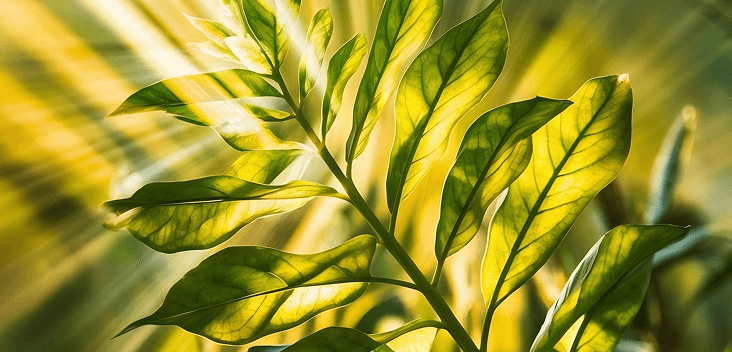
Pale outer leaves:

Leaves on the sun-facing side may fade to a washed olive or yellow-green after harsh afternoon exposure.

Bronzed patches:

Small bronzed or tan areas can appear on the upper leaf surface where light is most intense.

Scorched tips:

Outer shoots may show dry, crisp tips after sudden movement from shade to full sun.

Uneven canopy:

Damage is usually strongest on the side facing reflected heat, pavement, or west afternoon sun.

Move or shade Ilex crenata gradually, using brighter morning sun and protection from the hottest afternoon rays. Trim only after new healthy growth confirms the plant has adjusted.

Weak light often changes the shape of new growth before older leaves decline.

  • Stretched shoots:

    New stems may grow longer between leaves, giving the shrub a looser, less compact outline.

  • Leaning growth:

    Branches may angle toward the brightest side instead of filling evenly around the plant.

  • Small new leaves:

    Fresh leaves can appear smaller or thinner when the plant lacks enough energy from light.

  • Fewer flowers:

    Mature plants may produce fewer small flowers and less fruit when shade is heavy.

Shift Ilex crenata toward a brighter open site, or reduce nearby shade where practical. Increase exposure over 1–2 weeks if the plant has been in deep shade.

If ideal exposure is not available, choose partial sun over deep shade. A site with morning sun and open sky for the rest of the day is a good compromise.

Reduce harsh reflected heat by moving containers away from pavement or walls. Rotate container plants every few weeks so the canopy receives light evenly.

A permanently dark corner is unsuitable because growth becomes open and weak. Select the brightest protected area instead.

Get Personalized Care Plan

Scan your plant to receive care tips personalized for your specific plant

FAQ

The best light for Japanese holly is partial sun to full sun, with bright open exposure for most of the day. Light shade is tolerated, especially in hotter sites.

More Plant Light Guides

Get the Botan App

Discover how to care for your plants with Botan.

Botan app identifying a plant with a phone camera
Plants That Repel Mosquitoes – 10 Effective Choices

8 min read · 6 Jul 2026

Plants That Repel Mosquitoes – 10 Effective Choices

Plants that repel mosquitoes can help mask human scent naturally and make outdoor spaces more comfortable. Explore the most effective options, their benefits and drawbacks, and choose the right plant for your space.

Plant Recommendations
Plants That Repel Mosquitoes – 10 Effective Choices
How to Group Plants in Landscaping: A Practical Layout Guide

8 min read · 31 Aug 2026

How to Group Plants in Landscaping: A Practical Layout Guide

Good plant grouping can mean the difference between a well-planned garden and one that looks sloppy. This guide explores layers, spacing, cluster shapes, and the plants that thrive when you group them.

Plant Care
How to Group Plants in Landscaping: A Practical Layout Guide
Best Time to Water Grass in Summer – Lawn Watering Tips

5 min read · 21 Jul 2026

Best Time to Water Grass in Summer – Lawn Watering Tips

Summer watering is easy to get wrong. This guide explains when to turn on your sprinkler, how much liquid your grass needs each week, and how to tell if you're overwatering or underwatering.

Plant Care
Best Time to Water Grass in Summer – Lawn Watering Tips