Best Soil for Philodendron xanadu (Thaumatophyllum xanadu)

Thaumatophyllum xanadu grows best in a loose, moisture-retentive yet well-drained mix that supports steady root development and healthy growth.

Soil Texture

Loamy, Organic-rich

Soil pH

Acidic (5.5–6.5), Slightly acidic (6.5–7.0)

Soil Drainage

Moist but well-drained

Thaumatophyllum xanadu Soil Guide

Native to Brazil, Thaumatophyllum xanadu grows in warm, humid conditions where the ground stays evenly moist but not stagnant. That background explains why Philodendron xanadu soil should feel rich and loamy, with enough organic matter to hold moisture without becoming dense or soggy.

Its roots benefit from steady access to air, so the best soil for Philodendron xanadu drains well while still staying lightly moist between waterings. A slightly acidic to near-neutral soil suits this species, and a soft, open texture supports healthy root spread and steady growth.


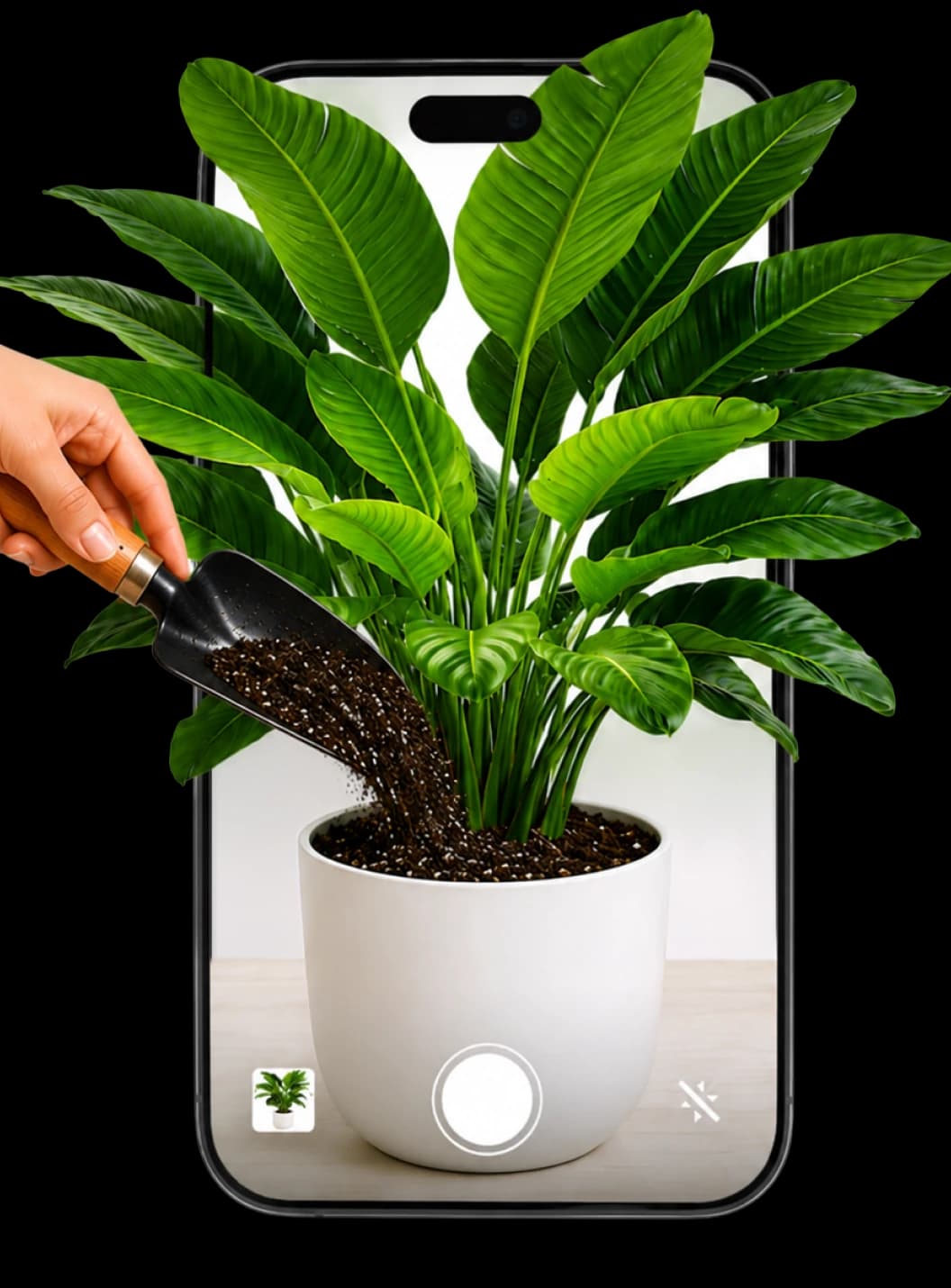
A custom mix helps balance air, moisture, and structure for Thaumatophyllum xanadu in containers. It should stay lightly damp without turning dense.

100% total mix = 20 scoops
15%
coco coir or compost3 scoops
20%
perlite or pumice4 scoops
25%
pine bark fines or orchid bark5 scoops
40%
high-quality potting soil8 scoops

The finished blend should feel springy, crumbly, and easy to squeeze apart, with quick flow-through and some gentle moisture retention.

A slightly acidic to near-neutral range of 5.5–7.0 suits Philodendron xanadu well. In that range, essential nutrients stay more available to the roots, which supports steadier growth and leaf development.

It generally performs best on the mildly acidic side, but it can handle small variation as long as the mix does not drift far outside that range for long periods.

This species can decline in stale, compacted media, especially when roots stay deprived of oxygen. Check the mix and surface condition before assuming a bigger issue.

Sour-smelling soil:

A musty or swampy smell often means the mix is staying airless, so improve airflow around the root zone and let excess moisture escape more freely.

Compacted surface:

If the top forms a hard crust or shrinks from the pot edge, the mix may be breaking down, so gently loosen only the surface and monitor how evenly it rehydrates.

Water rushing through:

When water runs straight out and the root ball stays unevenly dry, the mix may have turned hydrophobic, so re-wet it slowly in stages.

Persistent sogginess:

If the soil stays wet for many days, Philodendron xanadu may be sitting in an overly dense medium, so check drainage and reduce saturation around the roots.

Find the Right Soil

Botan helps match this plant to a more suitable growing medium based on its care needs and your current setup.

FAQ

Yes. Drainage holes help excess water leave the container, which lowers the risk of stale, saturated conditions around the roots and keeps the potting soil for Philodendron xanadu more balanced over time.

More Plant Soil Guides

Wrong Soil? Check It.

Soil may be part of the problem. Use Botan’s photo-based assessment to check whether your plant’s condition points to a soil-related issue.

Botan app helping with soil and plant care
Planting Grass Seed in Summer – What Works and What Fails

7 min read · 6 Aug 2026

Planting Grass Seed in Summer – What Works and What Fails

Summer seeding succeeds when the grass type suits the season, and the soil stays moist. Find out how to prepare the seedbed and choose a safe window for planting.

Plant Care
Planting Grass Seed in Summer – What Works and What Fails
20 Most Popular Fruits Around the World

7 min read · 22 Jul 2026

20 Most Popular Fruits Around the World

Curious which fruits the world actually eats the most? Here's the top-20 by production volume, an overview of what people choose in each region, and a few figures that defy common assumptions.

Plant Recommendations
20 Most Popular Fruits Around the World
Best Water for Plants – How to Choose the Right Type

7 min read · 13 Aug 2026

Best Water for Plants – How to Choose the Right Type

Rainwater, filtered, distilled, and tap water affect plants differently. Learn which types support healthy growth and which cause slow damage. Match each to your plants and discover how to easily improve tap water quality.

Plant Care
Best Water for Plants – How to Choose the Right Type