Rotate For Balance
Rotate the pot 90° every 2–3 weeks to keep the rosette symmetrical and prevent the leaf stalks from stretching permanently toward one side.

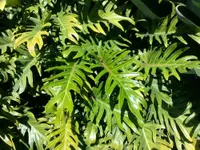
Philodendron xanadu, now often classified as Thaumatophyllum xanadu, is a compact, self-heading aroid grown mainly as a foliage houseplant. It forms a dense clump of deeply lobed, glossy green leaves on short stems, giving a tropical look without needing a lot of vertical space.
In the wild, it originates from Brazil, where it grows in warm, humid, partially shaded environments. Its sturdy structure and moderate growth rate make it manageable for most indoor spaces.
This species is considered relatively easy for beginners, as it tolerates a range of indoor light and recovers fairly well from minor care issues. To care for Philodendron xanadu, provide bright, indirect light, evenly moist but not waterlogged soil, and good drainage.

Care Difficulty
Moderate Care

Light Preference
Bright Indirect Light

Water Requirements
Moderate Water

Temperature Preference
Tropical / Frost Sensitive

Hardiness Zone
9–11

Soil Texture
Loamy, Organic-rich

Soil pH
Acidic (5.5–6.5), Slightly acidic (6.5–7.0)

Soil Drainage
Moist but well-drained

Fertilization
Light (every 4–6 weeks)
Scan your plant to receive care tips personalized for your specific plant
Available on iOS and Android
This plant prefers bright, indirect light that mimics dappled tropical shade.
Watering should aim for evenly moist but never waterlogged soil.
Stable, warm conditions support compact growth and healthy foliage.
This species prefers moderately high humidity for best foliage health but copes with many home conditions.
Thaumatophyllum xanadu grows best in a loose, airy, organic-rich mix that drains quickly yet holds some moisture.
This species is suitable for container growing and adapts well to patio or indoor pot culture.
This plant responds well to moderate, consistent feeding during the active growing season.
Thaumatophyllum xanadu benefits from light, periodic pruning to maintain a compact, tidy clump.
This species prefers a slightly snug pot but needs repotting or transplanting when root growth becomes restricted.
This plant is most reliably propagated by division rather than from stem cuttings or seed at home.
This tropical species is frost-sensitive and needs protection in regions with cold winters.

Plant Health Check
Not sure what's wrong with your plant? Check your plant's health inside the app.
This species was originally selected in Brazil as a compact sport of a larger self-heading philodendron type, which led to its use as a low, clumping landscape plant rather than a climbing aroid. It forms a dense mound with many closely spaced leaves instead of producing long vines or aerial roots for support.
Unlike many philodendrons that climb or trail, this species is self-heading, meaning its short, thick stem supports a rosette of leaves without needing a tree or support structure. Over time, the stem becomes woody and slightly trunk-like while the plant still remains relatively low and wide.
Its leaves are deeply pinnatifid, which means the blade is cut into many narrow lobes almost to the midrib, creating a feathered outline. The lobes and overall leaf shape become more pronounced as the plant matures, so juvenile foliage can look noticeably simpler than adult leaves.

Although widely sold worldwide as Philodendron xanadu for many years, taxonomic work using both morphology and DNA evidence led botanists to reclassify it into the separate genus Thaumatophyllum, reflecting its closer relationship to other large self-heading aroids rather than to truly climbing Philodendron species.
Brown leaf edges usually result from low humidity, inconsistent watering, or excess fertilizer salts. Check soil moisture, leach the pot with plain water if overfertilized, and raise humidity slightly with a nearby tray of water or humidifier.
Keep your plants happy and healthy with plant identification, disease detection, and easy care guidance.