Philodendron 'McColley's Finale' Care

About Philodendron 'McColley's Finale'

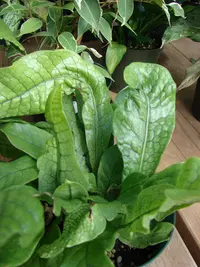
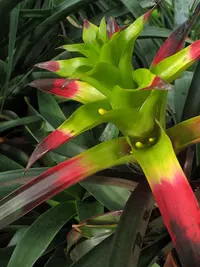
Philodendron 'McColley's Finale' is a compact, self-heading tropical aroid grown mainly as a decorative foliage houseplant. It was bred from hybrid philodendrons rather than collected from the wild, so it does not have a true natural range.

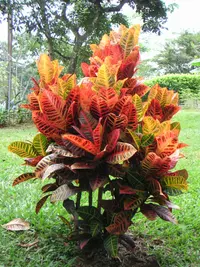
The plant forms a dense clump of glossy, paddle-shaped leaves that emerge bright orange to red, then mature through copper tones to deep green. This color change is the main ornamental feature and stays attractive year-round indoors.

It is considered forgiving and suitable for many homes because it tolerates typical indoor humidity and stable room temperatures. Moderate, indirect light, slightly moist but well-drained soil, and occasional feeding are usually enough to care for Philodendron 'McColley's Finale'.

Main Plant Requirements

Care Difficulty

Easy Care

Light Preference

Bright Indirect Light

Water Requirements

Moderate Water

Temperature Preference

Tropical / Frost Sensitive

Hardiness Zone

10–12

Soil Texture

Loamy, Peaty, Organic-rich

Soil pH

Acidic (5.5–6.5), Slightly acidic (6.5–7.0)

Soil Drainage

Moist but well-drained

Fertilization

Light (every 4–6 weeks)

Get Personalized Care Plan

Scan your plant to receive care tips personalized for your specific plant

Available on iOS and Android

How to Care for the Philodendron 'McColley's Finale'

This compact hybrid philodendron prefers bright, indirect light that mimics a lightly shaded tropical understory.

  • Provide 6–8 hours of bright, filtered light daily, such as near an east window or set back from a south or west window behind sheer curtains.
  • Tolerates partial shade, but if stems stretch, leaves shrink, or color fades, move Philodendron 'McColley's Finale' closer to a brighter spot without direct midday sun.
  • Avoid harsh midday sun that can cause leaf scorch; a few hours of soft morning sun is acceptable, especially in fall and winter when light is weaker.

This plant prefers evenly moist but airy soil, with short dry periods between waterings.

  • Water when the top 3–5 cm of soil feels dry, using enough water so excess drains through, then empty any saucer to prevent root rot.
  • In spring and summer, expect more frequent watering as growth is faster; in fall and winter, extend the dry period slightly as uptake slows.
  • Watch for signs: yellowing, soft leaves and a sour smell suggest overwatering, while drooping, thin leaves and dry, pulling soil indicate underwatering in Philodendron 'McColley's Finale'.

This tropical aroid grows best in stable, warm conditions without sudden temperature swings.

  • Aim for 65–80°F (18–27°C) for active growth; short exposures up to 85°F (29°C) are usually tolerated if humidity and watering are appropriate.
  • Protect from cold; growth slows below 60°F (16°C), damage occurs around 50°F (10°C), and the plant is not frost tolerant at all.
  • Keep away from heating vents, air conditioners, and drafty doors or windows, adjusting placement seasonally so foliage stays in a stable temperature zone suitable for Philodendron 'McColley's Finale' care instructions.

This plant prefers moderately humid air but usually adapts to typical indoor levels if not too dry.

  • Aim for 50–60% humidity to support steady growth and reduce leaf edge browning.
  • It tolerates brief dips to 30–40% but prolonged very dry air can cause curled, crispy leaf tips and slowed growth.
  • Increase humidity by grouping plants, placing the pot on a pebble tray with water below the pot base, or using a small room humidifier.

Philodendron 'McColley's Finale' grows best in a loose, airy mix that drains quickly yet holds some moisture.

  • Use a base of peat or coco coir with plenty of perlite and fine orchid bark to create a chunky, organic-rich mix.
  • Ensure rapid drainage; the mix should not stay saturated longer than 2–3 days after watering.
  • Keep pH slightly acidic to neutral, roughly 5.5–7.0, which supports nutrient availability and healthy root function.
  • Avoid heavy garden soil, mixes dominated by fine compost, or any medium that compacts and excludes air around the roots.

This species is well-suited to container growing due to its compact, clumping habit.

  • Choose a pot just 2–5 cm wider than the root ball to prevent excess mix from staying wet and turning anaerobic.
  • Use a stable, heavier container if the plant becomes top-heavy so it does not tip when the substrate is moist.
  • Select pot materials with moderate moisture retention, such as glazed ceramic or thick plastic, to buffer against rapid drying in heated rooms.

This hybrid philodendron benefits from modest, consistent feeding during active growth for balanced foliage color and steady size.

  • Use a balanced liquid fertilizer (around 10-10-10 or 20-20-20) diluted to 1/4–1/2 strength every 4–6 weeks in spring and summer.
  • Alternatively, apply a slow-release granular fertilizer in early spring, following label rates for container houseplants.
  • Pause or reduce feeding to 1 light application for the whole period in fall–winter when growth slows.
  • Avoid fertilizing very dry soil; water lightly first to prevent root burn and salt buildup.

Philodendron 'McColley's Finale' responds well to light structural pruning that maintains a compact, leafy form.

  • Plan most pruning for late winter or early spring, before strong new growth begins.
  • Remove yellowing, dead, or damaged leaves at the base of their petioles to limit disease and pests.
  • Thin crowded stems to improve light penetration and airflow, which supports stronger, more even growth.
  • Use clean, sharp scissors or pruning shears, disinfected with alcohol between plants to reduce pathogen spread.

This philodendron prefers slightly snug pots but benefits from periodic repotting to refresh the root zone and substrate.

  • Check for roots circling the pot, emerging from drainage holes, or slowing growth as signs it needs a larger container.
  • Plan to repot every 2–3 years in spring, moving to a pot 2–5 cm wider with drainage holes.
  • Use an airy, chunky mix such as peat or coco coir with perlite and bark to keep roots oxygenated.
  • Water the plant thoroughly after repotting, then keep in bright, indirect light and slightly drier soil for 1–2 weeks to limit stress.

New plants are most commonly produced from stem cuttings, making Philodendron 'McColley's Finale' straightforward to multiply at home.

  • Take 1–2 node stem cuttings in late spring or summer, each with at least 1 healthy leaf and visible node.
  • Root cuttings in water or a moist, well-drained mix under bright, indirect light at 70–80°F.
  • Maintain high humidity (50–70%) and keep the medium just lightly moist, not waterlogged.
  • After strong new roots form, pot cuttings individually and resume standard Philodendron 'McColley's Finale' plant care.

This tropical philodendron is frost-sensitive and needs indoor conditions above freezing during winter in temperate climates.

  • Move outdoor containers indoors before temperatures drop below 55°F, keeping them away from drafts and heater vents.
  • Aim for room temperatures of 65–80°F with bright, indirect light during the shorter days.
  • Reduce watering frequency so the top 2–3 cm of soil dry between waterings to prevent root issues.
  • Avoid cold windowsills and sudden temperature swings that can cause leaf yellowing and drop.

Care Tips

Quarterly root check

Every 3–4 months gently slide the plant partly out of its pot to check for circling roots, then loosen outer roots by hand and rotate the root ball before re-seating it to maintain a compact, stable form.

Rotate for balanced color

Turn the pot 90° every 2–3 weeks so that all sides receive similar light exposure, which helps maintain even coloration and prevents one-sided leaning or elongated, pale leaves.

Clustered placement strategy

Place this plant near, but not touching, other foliage plants of similar light needs to create a slightly more humid microclimate and reduce edge crisping on new leaves without relying on constant misting.

Preventive pest inspection

Inspect the undersides of new leaves and leaf bases every 1–2 weeks with a flashlight, and at the first sign of pests use a cotton swab dipped in 70% isopropyl alcohol to spot-treat affected areas before infestations expand.

Seasonal growth mapping

Mark the height on the pot or take a dated photo every 2–3 months to track growth rate over the year, then adjust feeding and repotting timing based on active growth periods for more precise Philodendron 'McColley's Finale' care instructions.

Common Pests and Diseases

Spider mites

This pest causes fine stippling, pale patches, and a dusty look on leaves, often with very fine webbing on the undersides. Symptoms include slowed growth and dulling of the normally glossy foliage.

Solution

Rinse foliage thoroughly with lukewarm water, focusing on leaf undersides, then wipe leaves to remove mites and webbing. Increase humidity, isolate the plant, and repeat washing every few days; if needed, apply insecticidal soap or a neem oil solution according to label directions until new growth appears clean.

Thrips

These insects pierce and rasp leaf tissue, leading to silvery streaks, distorted new leaves, and black specks of frass along the midrib and margins. Symptoms include especially visible damage on the softer copper and orange new foliage typical of this cultivar.

Solution

Isolate the plant, remove and discard heavily damaged leaves, then shower the plant to dislodge adults and larvae. Follow with repeated applications of insecticidal soap or a systemic insecticide labeled for houseplants, and check nearby plants since thrips spread easily.

Mealybugs

This pest appears as white, cottony clusters in leaf axils, along stems, and near the base of the plant. Symptoms include sticky honeydew, sooty mold growth on leaves, and weakened, slow growth.

Solution

Dab visible mealybugs with cotton swabs dipped in 70% isopropyl alcohol, then rinse the plant with lukewarm water. Continue weekly inspections and treatments, and for heavier infestations use insecticidal soap or neem oil, ensuring coverage of hidden areas where pests shelter.

Bacterial leaf spot

This disease causes water-soaked, translucent patches on leaves that turn tan to dark brown with yellow halos, often starting on older foliage. Symptoms include rapidly enlarging spots in warm, high-humidity conditions and possible leaf drop.

Solution

Promptly remove and discard affected leaves, avoid wetting the foliage, and improve air circulation around the plant. Keep the plant on the dry side between waterings, disinfect tools, and if spotting continues, consider using a copper-based bactericide labeled for ornamental houseplants while adjusting care following general Philodendron 'McColley's Finale' care instructions.

Xanthomonas blight

This disease, caused by Xanthomonas bacteria, produces angular, dark, water-soaked lesions limited by leaf veins and can lead to widespread yellowing and collapse of foliage. Symptoms include rapid spread under warm, crowded, and poorly ventilated indoor conditions.

Solution

Immediately isolate the plant, remove and discard all leaves with lesions, and avoid overhead watering or misting. Improve spacing and airflow, sterilize pruning tools and pots, and in severe cases consider discarding the plant and the potting mix to prevent spread to other aroids, then restart with certified clean material and careful Philodendron 'McColley's Finale' plant care.

Interesting Facts

Tri‑color leaf stages

New foliage emerges bright copper‑orange, shifts to deep reddish bronze as it expands, then matures to glossy dark green, so a single plant often shows three distinct colors at once on different leaves.

Compact hybrid origin

This plant is a man‑made hybrid selected by breeders for its slow, compact, self‑heading growth, meaning it forms a clumping rosette rather than long vines, which makes Philodendron 'McColley's Finale' indoor care easier in small spaces.

Stable color genetics

Unlike many variegated philodendrons that can revert, this cultivar’s dramatic leaf coloration is genetically stable, so its orange‑to‑red flush on new leaves does not depend on random mutations or unstable variegation patterns.

FAQs about Philodendron 'McColley's Finale'

Growth is moderate under stable indoor conditions. Expect roughly 10–20 cm of new height per year, sometimes more in warm months. Consistent warmth, bright shade, and regular light feeding usually give the best results for compact, steady growth.

Grow Healthy Plants with Botan Care

Keep your plants happy and healthy with plant identification, disease detection, and easy care guidance.

Botan plant care app — identify plants on mobile

Explore More Plants