Tillandsia elongata Care

Tillandsia elongata

About Tillandsia elongata

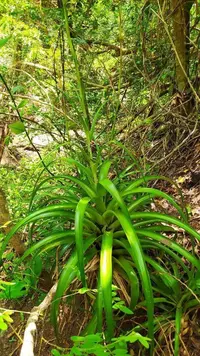
Tillandsia elongata is an epiphytic air plant from tropical forests of Central America, northern South America, and the Caribbean. It usually grows attached to trees rather than in soil. The plant forms tall rosettes of stiff, narrow leaves and can develop an impressive central flower spike with colored bracts and small tubular flowers. Its ability to absorb water and nutrients through specialized leaf scales makes it adaptable to airy, well-ventilated indoor spaces. Light, humidity, and good air circulation are the main factors that influence how easy it is to care for Tillandsia elongata.

Main Plant Requirements

Care Difficulty

Moderate Care

Light Preference

Bright Indirect Light

Water Requirements

Low Water

Temperature Preference

Tropical / Frost Sensitive

Hardiness Zone

10–12

Soil Texture

Sandy, Rocky, Organic-rich

Soil pH

Acidic (5.5–6.5), Slightly acidic (6.5–7.0)

Soil Drainage

Well-drained

Fertilization

Light (every 4–6 weeks)

Get Personalized Care Plan

Scan your plant to receive care tips personalized for your specific plant

Available on iOS and Android

How to Care for the Tillandsia elongata

This species prefers bright, indirect light with some gentle direct sun in the cooler hours of the day.

  • Provide 4–6 hours of bright, filtered light daily, such as morning sun with afternoon shade under a tree canopy or shade cloth.
  • Protect Tillandsia elongata from harsh midday and late-afternoon sun, which can scorch leaves, cause bleaching, and create dry, crispy tips.
  • In shadier spots, ensure at least bright dappled light; if leaves stretch, lose color, or feel soft, move the plant to a brighter location.

Watering focuses on thorough wetting followed by fast drying of the leaves and base.

  • Soak or drench the plant until all leaves are wet, then allow it to dry within 1–3 hours; in warm seasons this is often needed 2–4 times per week depending on humidity and airflow.
  • In cooler months, reduce watering to when leaves feel slightly soft or curl inward, usually every few days to weekly, and always let it dry fully between soakings.
  • Signs of excess water include dark, mushy bases and leaf drop, while severe leaf curling, brittleness, and very slow growth suggest underwatering in Tillandsia elongata.

This air plant prefers consistently warm, frost-free conditions.

  • Ideal growth occurs around 70–85°F (21–29°C), with good airflow to prevent heat buildup in the leaf bases.
  • It tolerates short warm spells up to about 95°F (35°C) if shaded from intense sun and given higher humidity and good ventilation.
  • Avoid temperatures below 45°F (7°C); frost will damage or kill tissue, so move plants to shelter when nights approach 40–45°F (4–7°C).

This air plant prefers fairly humid air but adapts to typical indoor conditions if watered correctly.

  • Aim for 50–70% humidity, with regular misting or soaking compensating when air is drier.
  • Tolerates short periods at 30–40% humidity but leaf tips may brown and curl from moisture loss.
  • Increase humidity by grouping plants, placing near a humidifier, or setting above (not in) a shallow water tray.

This species is an epiphyte and should not be planted in conventional soil.

  • Mount Tillandsia elongata on bark, cork, or a wire/wood frame, keeping the base free from packed material so air circulates around all sides.
  • If placing in a decorative container, use dry, loose media such as large orchid bark, lava rock, or chunky charcoal only for support.
  • Ensure the plant dries fully within 2–4 hours after watering; trapped moisture around the base encourages rot.
  • Avoid peat-based mixes, compact moss, or any fine substrate that stays wet or reduces airflow around the leaves and base.

This air plant is suitable for containers if it is supported rather than potted in traditional media.

  • Choose a wide, heavy container or stand to prevent the tall rosette from tipping as it elongates.
  • Position the plant above the base of the vessel using stones, gravel, or a mesh insert so water cannot pool around it.
  • Select breathable materials like unglazed ceramic or wire frames when possible to speed surface drying after misting or soaking.

Air plants like Tillandsia elongata benefit from light, diluted feeding during active growth only.

  • Use a water‑soluble, balanced NPK epiphyte or orchid fertilizer at 1⁄4 strength, never full strength.
  • Feed every 3–4 weeks in spring and summer, misting or dipping the plant rather than soaking the base continuously.
  • Skip compost and slow‑release granules, which can burn tissues and trap moisture around the plant.
  • Reduce to 1 light feeding in fall and stop during winter rest, focusing on good light and airflow instead.

Pruning Tillandsia elongata is minimal and focuses on hygiene rather than shaping.

  • Best time is late winter to early spring, before strong new growth starts.
  • Gently remove dead, brown, or damaged leaves by pulling downward at the base or trimming with clean scissors.
  • Cut spent flower spikes close to the base once entirely faded to direct energy to offsets.
  • Avoid heavy cutting of healthy leaves, as this reduces photosynthetic area and can slow growth.

As an epiphyte, this species is mounted or placed loosely rather than traditionally potted, so transplanting is only needed occasionally.

  • Shift the plant when it outgrows its mount, dries too fast, or becomes unstable on its support.
  • Best timing is spring to early summer, when growing conditions favor quick recovery from handling stress.
  • Typical frequency is every 2–4 years, or when offsets crowd and airflow around the clump is reduced.
  • To transplant, gently detach the base, avoid breaking roots, then secure to a new mount using soft wire, fishing line, or non‑water‑retentive glue.

This air plant is most commonly propagated by removing and establishing offsets produced around the mother rosette.

  • Allow pups to reach about 1⁄3–1⁄2 the size of the parent before separating in spring or early summer.
  • Gently twist or cut offsets away at the base with sterile scissors, keeping the attachment area intact.
  • Place divisions in bright, indirect light with good airflow and maintain regular misting so they do not desiccate.
  • Seed propagation is possible under warm, humid, high‑light conditions but is slow and less practical for home growers.

In cool climates, Tillandsia elongata needs protection from freezing temperatures and prolonged cold.

  • This species is frost sensitive and should be kept above 40°F, with an ideal range of 55–70°F in winter.
  • Move outdoor or mounted plants indoors before frost, placing them in bright, indirect light with good air movement.
  • Avoid water sitting in the leaf bases in cold conditions; water lightly in the morning so plants dry by evening.
  • Do not use mulch around the base, since it is an epiphyte; focus instead on stable indoor temperatures and low humidity swings.

Care Tips

Mounting strategy

Attach plants to hardwood, cork, or inert mounts using plastic-coated wire or nylon fishing line, leaving a small air gap under the base so air can circulate and water can drain off quickly after misting or soaking.

Rot prevention

After any soaking, gently shake excess water from the rosette and place the plant upside down or at a slight angle for 30–60 minutes so no water remains trapped in the leaf bases, which reduces the risk of rot.

Air movement optimization

Position plants where there is gentle, consistent air movement from a ceiling fan, open vent, or lightly cracked window, which helps leaf surfaces dry promptly and lowers fungal and bacterial problems when growing Tillandsia elongata.

Support for tall form

For very tall specimens, secure the lower third of the plant to a stable mount or support stake so the center of gravity is anchored and the plant does not twist or detach as the rosette elongates.

Quarantine and cleaning

Quarantine new plants for 2–3 weeks and rinse them under a strong but gentle stream of lukewarm water once a week to dislodge early pests such as scale or mealybugs before reintroducing them to the main collection.

Common Pests and Diseases

Scale insects

These insects attach to the leaf sheaths and bases as small brown or tan bumps, sucking sap and weakening the rosette over time. Symptoms include dull, yellowing foliage, sticky honeydew, and slow growth.

Solution

Remove affected plants from any display, then gently scrub insects from leaves and leaf bases with a soft brush or cotton swab dipped in isopropyl alcohol, taking care not to soak the plant. Rinse well with room‑temperature water, improve air circulation, and repeat spot treatments weekly until no new scale appear to support long‑term Tillandsia elongata care instructions.

Mealybugs

This pest appears as white, cottony clusters hidden in leaf axils and at the base of the rosette, where it feeds on plant sap. Symptoms include distorted new growth, sticky residue, and gradual decline.

Solution

Physically remove visible mealybugs with a cotton swab dipped in isopropyl alcohol, then rinse the plant thoroughly and allow it to dry in bright, airy conditions. Quarantine the plant, inspect weekly, and repeat targeted alcohol treatments only on infested spots to avoid chemical buildup on the trichome-covered leaves.

Spider mites

These pests thrive on dry, stagnant air and feed on leaf surfaces, leaving fine stippling or tiny pale spots and sometimes delicate webbing. Symptoms include dull, rough-looking foliage and reduced vigor.

Solution

Rinse the entire plant under a strong but gentle stream of lukewarm water, focusing on leaf undersides and inner whorls, then let it dry quickly in a well-ventilated, bright place. Increase humidity slightly, maintain good airflow, and repeat rinsing every few days until no new damage appears; insecticidal soap can be used as a brief contact spray followed by thorough rinsing.

Bacterial soft rot

This disease causes water-soaked, foul-smelling tissue at the base of the rosette or in tightly overlapping leaves, often following prolonged wetness. Symptoms include rapid collapse of leaves from the center and a slimy texture.

Solution

Isolate the affected plant immediately, trim away all soft or discolored tissue with sterile tools, and discard severely rotted plants to protect nearby specimens. For prevention, limit soaking time, always dry the plant quickly upside down after watering, and provide strong airflow so water does not sit trapped in the leaf bases.

Leaf spot fungi

This disease produces small brown, tan, or black spots on the leaf blades, sometimes with a yellow halo, especially when plants stay wet for long periods. Symptoms include cosmetic damage and, in severe cases, premature leaf death.

Solution

Remove and discard the most affected leaves, improve spacing and airflow, and avoid misting late in the day so foliage dries before night. In persistent cases, apply a mild copper- or sulfur-based fungicide labeled for ornamentals as a light spray, then rinse lightly after it dries to reduce residue on the trichomes while keeping the plant much drier between waterings.

Interesting Facts

Giant tank epiphyte

In the wild, this species can form large funnel-shaped rosettes over 1 m across that trap rainwater and organic debris, creating a small reservoir or tank on tree branches.

Flood-tolerant lifestyle

T. elongata often grows in seasonally flooded forests and swampy habitats where its elevated epiphytic position and water-holding rosette let it cope with periodic inundation while still accessing air and light.

Specialist wildlife microhabitat

The water-filled leaf tanks of this species can host aquatic invertebrates, microorganisms, and even small amphibians, turning each plant into a miniature ecosystem in its native range.

Botan icon

Did you know?

Some natural populations of T. elongata occur high in the canopy of coastal mangroves, where the plants endure saline spray, intense light, and strong winds while still maintaining their water-filled rosettes.

FAQs about Tillandsia elongata

Brown leaf tips usually come from low humidity, intense direct sun, or poor air movement after staying wet too long. Improve airflow, rinse off dust, and adjust misting frequency rather than soaking for long periods.

Grow Healthy Plants with Botan Care

Keep your plants happy and healthy with plant identification, disease detection, and easy care guidance.

Botan plant care app — identify plants on mobile

Explore More Plants