Hooker's evening primrose Care (Oenothera elata)

Also known as: tall evening primrose
Hooker's evening primrose

About Hooker's evening primrose

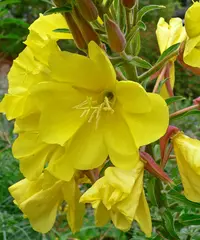
Hooker's evening primrose (Oenothera elata) is a short-lived perennial wildflower grown for its tall stems and bright yellow, night-opening blooms. It often forms loose clumps that can reach notable height, giving a natural, meadow-like look in borders and wildflower plantings.

This species is native to western North America, where it typically grows in moist meadows, stream edges, and open sunny areas. It tends to be easy to grow in gardens as long as it receives good light, reasonably moist but well-drained soil, and space to self-seed.

Gardeners who learn how to care for Hooker's evening primrose usually find it reliable, provided it is not shaded out or kept in very dry, compacted ground.

Main Plant Requirements

Care Difficulty

Easy Care

Light Preference

Full Sun

Water Requirements

Moderate Water

Temperature Preference

Cold Hardy

Hardiness Zone

4–9

Soil Texture

Sandy, Loamy, Clay

Soil pH

Acidic (5.5–6.5), Slightly acidic (6.5–7.0)

Soil Drainage

Moist but well-drained

Fertilization

Minimal (feed rarely)

Get Personalized Care Plan

Scan your plant to receive care tips personalized for your specific plant

Available on iOS and Android

How to Care for the Hooker's evening primrose

This tall evening primrose thrives in open, bright sites with strong sun exposure.

  • Provide 6–8 hours of direct sun daily; full sun promotes sturdy stems and abundant flowers in Hooker's evening primrose.
  • Accepts light afternoon shade, especially in hot inland climates, but more than 3–4 hours of shade can reduce flowering and cause lanky growth.
  • In cooler seasons place it in the sunniest spot available; in very hot summers, protect from intense late-afternoon sun to reduce scorch on leaves and buds.

This species prefers moderately dry, well-drained conditions rather than constant moisture.

  • Water when the top 3–5 cm of soil feels dry, using a deep soak that moistens the root zone, then allow the soil to dry again.
  • Choose gritty, well-drained soil so water does not pool around the crown; standing water greatly increases root and crown rot risk in Oenothera elata.
  • Reduce watering in cool seasons when growth slows; foliage wilting and crisp edges suggest underwatering, while yellowing, soft stems indicate overwatering.

This hardy perennial tolerates a wide temperature range but grows best in mild to warm conditions.

  • Optimal growth occurs around 65–80°F (18–27°C), with strong vegetative growth in spring and early summer within this range.
  • Mature plants usually survive down to about 10–15°F (-12–-9°C) in the ground; mulch crowns in colder areas to buffer freeze-thaw cycles.
  • Tolerates summer heat up to about 90–95°F (32–35°C) if soil is not waterlogged, but prolonged extreme heat with drought can shorten flowering and stress plants.

Humidity is rarely limiting for this species if air movement is adequate.

  • Performs well in 30–60% humidity typical of outdoor conditions in most regions.
  • Tolerates dry air and wind; humidity stress is more likely from heat or drought than low ambient moisture.
  • Signs of humidity-related stress include crisp leaf edges combined with very dry soil; address by improving watering and light shade rather than misting, which offers little benefit for Hooker's evening primrose.

This species prefers well-drained, moderately fertile soil that does not stay waterlogged.

  • Use a sandy or loamy structure with 20–30% coarse sand or fine gravel to keep pores open and prevent compaction.
  • Aim for slightly acidic to neutral pH, around 6.0–7.0, which suits Oenothera elata root nutrient uptake.
  • Blend garden soil with compost for organic matter, then add perlite or grit to improve drainage and aeration, especially in heavy ground.
  • Avoid sticky clay, standing water, or thick peat-only mixes, which restrict oxygen around roots and promote rot under wet conditions.

This species can be grown in containers outdoors if the pot supports its deep root system and tall stems.

  • Choose a container at least 25–30 cm deep to accommodate the taproot and reduce tipping in strong wind.
  • Use a heavier material like ceramic or thick plastic to add weight and stabilize the tall flowering stems.
  • Elevate the pot slightly on feet or bricks so drainage holes stay clear and excess water runs off quickly after rain or irrigation.

This species grows well in lean soil, but light feeding supports stronger flowering for Hooker's evening primrose in poor sites or containers.

  • Use a balanced, low-strength fertilizer (around 10-10-10) or a thin layer of compost in early spring.
  • Apply diluted liquid feed at 1/2 strength every 4–6 weeks during the main growing season if growth is weak.
  • Avoid high-nitrogen products that drive lush foliage at the expense of blooms.
  • Stop feeding in late summer to allow stems to harden and remain unfertilized over winter.

Thoughtful pruning keeps Oenothera elata tidy, encourages fresh growth, and can extend blooming.

  • Deadhead spent flower spikes during summer, cutting back to a healthy leaf node with clean pruners.
  • Remove dead, damaged, or diseased stems at the base whenever noticed to reduce disease pressure.
  • In late fall or very early spring, cut back old woody or floppy stems to just above ground level.
  • Thin crowded clumps by removing a few older stems to maintain airflow and reduce self-seeding.

This perennial is usually grown in the ground, so care focuses on judicious transplanting rather than frequent repotting.

  • Transplant in early spring or early fall when temperatures are mild and soil is moist but not waterlogged.
  • Move plants only when necessary, such as overcrowding or poor flowering despite good light and drainage.
  • Dig a generous root ball to limit root disturbance, replant at the same depth, and water thoroughly to settle soil.
  • Container-grown specimens need a larger pot when roots circle the sides or growth slows despite proper care.

Oenothera elata is commonly propagated by seed and by lifting and dividing clumps.

  • Collect mature seed in late summer, sow in fall or early spring in well-drained, sandy mix, and keep lightly moist.
  • For division, lift established clumps in early spring, split into sections with healthy buds, and replant promptly.
  • Provide full sun and moderate moisture for young plants, avoiding waterlogged conditions during early establishment.

This species is generally cold hardy across much of the US and needs minimal winter attention once established.

  • In cold climates, apply a 5–8 cm mulch layer after the ground cools to insulate the root zone.
  • Cut back dead top growth in late fall or early spring, leaving any green basal rosettes intact.
  • In containers, shift pots to a sheltered, unheated area to reduce freeze-thaw stress on roots.

Care Tips

Stake Tall Stems

Install slender stakes early in the season and loosely tie the tallest flowering stems to prevent wind damage and lodging, which keeps the plants upright and flowers clean.

Encourage Successive Bloom

Deadhead spent blooms every few days but leave the topmost seed spikes on selected plants at the end of the season to allow self-sowing and maintain a naturalistic stand.

Control Unwanted Spread

To keep clumps in defined areas, slice around the perimeter with a spade in early spring and remove outer rosettes or seedlings that appear in paths or beds where they are not wanted.

Support Pollinators

Avoid broad-spectrum insecticides near the flowers and keep a small buffer strip of mixed native plants so that night-flying moths and other pollinators continue visiting when growing Hooker's evening primrose.

Winter Clean-Up Timing

In colder regions, leave some dried stems standing until late winter to protect crowns and overwintering insects, then cut them back before new growth emerges to reduce disease carryover.

Common Pests and Diseases

Aphids

This pest feeds on tender stems and flower buds, sucking out sap and causing distorted growth, sticky honeydew, and sooty mold. Symptoms include curling leaves and clusters of soft-bodied insects on shoot tips and flower stalks.

Solution

Spray plants with a firm jet of water to dislodge aphids, then treat remaining colonies with insecticidal soap or a dilute neem oil solution, covering undersides of leaves and stems. Encourage natural predators such as lady beetles, and avoid heavy nitrogen fertilization that promotes soft, aphid-prone growth when growing Hooker's evening primrose outdoors in borders or meadows.

Flea beetles

These insects chew small, round shot holes in leaves, which can make foliage appear riddled and stressed, especially on young plants. This pest may also stunt growth when populations are high.

Solution

Protect young plants with floating row covers until they are well established, and reduce nearby weeds that host flea beetles. If damage is ongoing, apply neem oil or a spinosad-based product in the evening, coating foliage thoroughly and repeating as needed according to label directions.

Rust

This disease causes yellow to orange spotting on upper leaf surfaces and powdery rust-colored pustules on undersides. Symptoms include premature leaf yellowing and drop, especially in warm, humid conditions or crowded stands.

Solution

Promptly remove and discard affected leaves to reduce spore spread, and avoid overhead watering to keep foliage dry. Improve spacing and airflow, water at soil level, and, if needed, apply a labeled sulfur or copper-based fungicide at the first sign of spotting.

Powdery mildew

This disease produces white, powdery patches on leaves and stems, often starting on lower or shaded foliage, and can reduce vigor and flowering if severe. Symptoms include dull, distorted leaves that may yellow and dry at the edges.

Solution

Increase sun exposure where possible, thin crowded clumps, and water early in the day at soil level to reduce humidity around foliage. Remove heavily infected leaves, then apply a potassium bicarbonate, horticultural oil, or neem-based fungicide, repeating treatments as directed until new growth appears clean.

Leaf spot

Symptoms include small brown to purplish spots on leaves that may enlarge and merge, creating ragged or blighted areas, often starting on lower, older foliage. In damp conditions, affected leaves can yellow and die back early, reducing plant vigor.

Solution

Remove and dispose of spotted leaves and plant debris, and avoid overhead irrigation, especially in the evening. Improve airflow around plants, rotate planting locations if grown in beds, and use a copper or chlorothalonil fungicide at the first sign of spotting if cultural steps are not enough.

Interesting Facts

Nocturnal flower opening

Hooker's evening primrose typically opens its yellow flowers around dusk and they can fully unfurl within minutes, an adaptation to attract night-active moth pollinators. By the following morning the flowers usually start to fade and may turn orange as they age.

Tall riparian species

This species is unusually tall for an evening primrose, often reaching 1–1.5 m in favorable riparian habitats such as streambanks, seeps, and wet meadows. Its height and dense growth can form conspicuous stands that provide structure and nectar resources in moist habitats.

Specialist moth interactions

In its native western North American range, this plant serves as a larval host and nectar source for specialist moths in the genus Hyles and related taxa. These interactions illustrate a relatively tight ecological link between the plant and certain night-flying Lepidoptera species.

Botan icon

Did you know?

Hooker's evening primrose has subspecific variation that reflects adaptation to different moisture and elevation regimes in western North America, with some subspecies more confined to high-elevation montane wetlands and others occurring in lower, warmer valleys and disturbed moist ground.

FAQs about Hooker's evening primrose

Yes, this species is highly attractive to night-flying moths and many native bees that forage at dusk or early morning. Its nectar-rich, fragrant flowers provide an important food source, supporting pollinators in wildlife-friendly gardens.

Grow Healthy Plants with Botan Care

Keep your plants happy and healthy with plant identification, disease detection, and easy care guidance.

Botan plant care app — identify plants on mobile

Explore More Plants