red crowberry Care (Empetrum rubrum)

Also known as: diddle-dee
red crowberry

About red crowberry

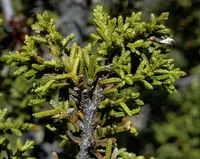
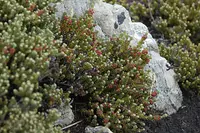
Red crowberry, Empetrum rubrum, is a low, mat-forming evergreen shrub from cold, windy regions of southern South America and subantarctic islands. It typically grows in carpets with fine, needle-like leaves and small red to dark berries that sit close to the stems.

This species is adapted to poor, acidic, often sandy or peaty soils and harsh climates, which makes it tough but also quite specialized. In gardens it suits rock gardens or heath-style plantings, where consistent moisture, cool conditions, and good drainage are important. Understanding how to care for red crowberry starts with recreating its cool, open, coastal or upland habitat as closely as possible.

Main Plant Requirements

Care Difficulty

Moderate Care

Light Preference

Full Sun

Water Requirements

Moderate Water

Temperature Preference

Cold Hardy

Hardiness Zone

5–9

Soil Texture

Sandy, Loamy, Peaty

Soil pH

Strongly acidic (4.5–5.5), Acidic (5.5–6.5)

Soil Drainage

Moist but well-drained

Fertilization

Minimal (feed rarely)

Get Personalized Care Plan

Scan your plant to receive care tips personalized for your specific plant

Available on iOS and Android

How to Care for the red crowberry

This low, evergreen shrub prefers cool, bright conditions similar to coastal or open moorland sites.

  • Provide 4–6 hours of direct sun daily, ideally gentle morning sun with light afternoon shade, especially in warmer inland areas.
  • Tolerates light or dappled shade, but flowering and fruiting of red crowberry decline if grown in dense shade under trees or structures.
  • In hot summers, protect from harsh afternoon sun with partial shade or filtered light to reduce leaf scorch and drought stress.

This species prefers consistently moist, sharply drained soil and does not tolerate prolonged drought or waterlogging.

  • Water when the top 2–3 cm of soil feel dry, aiming for moist but not saturated soil around the fine, shallow roots.
  • In spring and early summer, check moisture more often during active growth; in cool, wet seasons, rely mainly on rainfall unless soil dries out.
  • Poor drainage, yellowing foliage, and soft stems indicate excess water, while dull, drooping leaves and dry, crumbly soil suggest Empetrum rubrum is too dry.

This hardy shrub is adapted to cool, oceanic climates with mild summers and cold winters.

  • Best growth occurs around 45–65°F (7–18°C), with stable vigor in cool, breezy sites rather than hot, sheltered positions.
  • Tolerates winter cold down to about -20°F (-29°C) once established, especially with snow cover or mulch protecting the root zone.
  • In hot spells above 80°F (27°C), provide extra shade and soil moisture; prolonged heat above 90°F (32°C) can cause stress, browning, and reduced berry set.

This species tolerates a wide humidity range and rarely needs special humidity management indoors or outdoors.

Empetrum rubrum prefers sharply drained, acidic, sandy soil that mimics coastal or heathland conditions.

  • Use a mix of roughly 50–70% coarse sand or grit with 30–50% acidic potting soil or ericaceous compost to keep the medium lean and fast-draining.
  • Aim for a soil pH of 4.5–6.0; avoid liming and do not mix in alkaline materials such as crushed shells or standard garden lime.
  • Keep the structure open and airy by avoiding fine peat-only mixes that compact and hold excessive water around the fine roots.
  • Avoid heavy clay, waterlogged sites, or low spots; raised beds or berms help excess water drain away quickly.

This species can be grown in containers if excellent drainage and an acidic, gritty mix are provided.

  • Choose a wide, shallow container that allows the mat-forming roots to spread rather than a deep, narrow pot that keeps the root zone wet.
  • Use a thick, heavy pot material such as ceramic or clay to stabilize the low, spreading growth against wind on balconies or exposed patios.
  • Elevate the container on feet or pot risers so drainage holes stay clear and runoff can escape freely after heavy rain.

This alpine shrub is adapted to poor, acidic soils and needs only minimal feeding.

  • Use a light top-dressing of fine compost or well-rotted leaf mold once in spring for Empetrum rubrum in nutrient-poor sites.
  • Avoid high-nitrogen products; if needed, choose a low-dose, slow-release, acid-forming fertilizer labeled for heathers.
  • Apply at 1/2–1/4 the package rate to prevent soft, weak growth and salt buildup.
  • Do not feed in fall or winter, when growth slows and the plant is semi-dormant.

Pruning Empetrum rubrum is mostly light maintenance to keep the mat dense and healthy.

  • Best time is late winter to early spring, before new growth starts.
  • Use clean hand shears to remove dead, diseased, or winter-burned stems back to healthy wood.
  • Lightly tip back long, straggly shoots to maintain a low, compact form without cutting into old, bare wood.
  • Avoid heavy renovation pruning, as older branches may not reshoot well.

This species is usually grown as a groundcover, so focus on careful transplanting rather than frequent repotting.

  • Transplant in early spring or early fall, when temperatures are mild and soil moisture is steady.
  • Move plants only when growth is slow, mats thin out, or containers show circling roots through drainage holes.
  • Lift with a wide soil root ball to keep the fine roots intact, then replant at the same depth in acidic, well-drained soil.
  • Water gently but thoroughly after planting, then keep the root zone evenly moist for several weeks to reduce transplant stress.

Propagation is possible but slow, as this heath family shrub forms fine, shallow roots.

  • Layering is reliable; pin flexible, low stems to the soil in late spring and leave until well rooted.
  • Take short, semi-ripe tip cuttings in mid to late summer and root in a sharply drained, acidic mix under high humidity.
  • Sow fresh seed outdoors in fall; natural winter chilling improves germination rates.
  • Keep all propagules in bright, cool conditions, avoiding waterlogged media to prevent rot.

This shrub is cold hardy and usually needs little winter care once established in the ground.

  • Tolerates frost and snow in most temperate climates when planted in well-drained, acidic soil.
  • Apply a 3–5 cm mulch of pine needles or fine bark around the root zone in late fall, keeping it off stems.
  • In very exposed or low-snow sites, a light, breathable shrub cover reduces wind scorch on foliage.
  • Move container-grown plants to a sheltered, unheated spot to avoid freeze–thaw damage to roots.

Care Tips

Encourage Dense Mats

Pinch or lightly shear back the soft tips after flowering to encourage low, dense carpeting growth and reduce exposed, woody stems over time.

Protect From Foot Traffic

Install stepping stones or edging around plantings to keep feet, pets, and tools off the fragile stems, which snap easily and leave gaps that fill slowly.

Mulch With Grit

Top-dress around the plants with a 1–2 cm layer of sharp grit or small gravel to stabilize soil temperature, improve surface drainage, and keep foliage dry at the base.

Snow And Frost Management

In cold regions, allow natural snow cover to remain over the plants as insulation but gently brush off heavy, wet snow that bends or breaks the brittle branches.

Plan For Replacement

When caring for red crowberry in a designed bed, plant a few extra specimens in a nursery corner so older, woody patches can be gradually replaced with young, vigorous plants every 5–7 years.

Common Pests and Diseases

Leaf spot

This disease causes irregular brown to dark purple spots on older foliage, often starting in dense or shaded patches of the mat. Symptoms include thinning of the carpet-like growth and premature leaf drop in small patches.

Solution

Remove and discard affected shoots to reduce inoculum, then improve air circulation by thinning surrounding vegetation and avoiding overhead watering. If wet, cool weather persists and damage spreads, a labeled fungicide containing chlorothalonil or copper can be used as a spot treatment, keeping sprays off nearby water bodies and following local regulations.

Phytophthora dieback

This disease leads to wilting, dull or bronzed foliage, and progressive death of shoots, often starting in poorly drained or periodically waterlogged areas. Symptoms include sections of the mat turning brown and brittle while adjacent parts remain green.

Solution

Improve drainage by raising the planting area, correcting low spots, and avoiding frequent irrigation in heavy soils, since Empetrum rubrum care relies on sharply drained, acidic sites. Promptly remove and dispose of dead or collapsing plants and avoid replanting crowberry in the same saturated location; in high-value plantings, a soil-applied phosphite (phosphonate) product may help protect remaining plants when used according to label directions.

Heather beetle

This pest feeds on foliage, causing bronzing, scorching, and eventual browning of stems that can resemble drought or winter burn. This insect is most damaging in sunny, dry sites where plants are already stressed.

Solution

Inspect plants in late spring and early summer and hand-pick adults and larvae where practical, shaking stems over a tray or sheet to collect them. Encourage natural predators by maintaining plant diversity nearby, and if populations are high, consider a targeted treatment with a systemic insecticide labeled for ornamental heaths and heathers, applied only when beetles and larvae are actively feeding.

Scale insects

These insects appear as small, fixed bumps on stems and older wood, sucking sap and leading to weak growth and sparse foliage. This pest often goes unnoticed until stems start to decline and honeydew or sooty mold is visible on nearby surfaces.

Solution

Prune out and discard heavily infested stems, then wash remaining shoots with a firm stream of water to dislodge crawlers. For persistent infestations, apply a horticultural oil during the crawler stage on a cool, overcast day, thoroughly coating stems but avoiding application during drought or extreme heat.

Snow or ice scorch

This disorder develops after prolonged snow or ice cover followed by rapid thaw and sun, leading to bronzed, bleached, or straw-colored foliage on exposed areas of the mat. Symptoms include patchy winter burn on the windward or sun-exposed side of plants while shaded parts stay greener.

Solution

Reduce exposure by planting in sites with some wind protection and light, filtered shade, and avoid late-season nitrogen fertilization that promotes tender growth going into winter. In late winter or very early spring, lightly trim scorched foliage to encourage new shoots, and maintain consistent soil moisture (not waterlogged) going into freezing periods to help plants tolerate cold stress when trying to grow Empetrum rubrum.

Interesting Facts

Subantarctic range specialist

This species occurs naturally in harsh, cool-temperate and subantarctic regions of southern South America and nearby islands, including parts of Patagonia, Tierra del Fuego, and the Falkland Islands, where few woody plants can persist long term.

Evergreen heath shrub

It is a low, mat-forming evergreen shrub of heathlands and coastal moorlands, with narrow, needle-like leaves that reduce water loss and tolerate strong winds, salt spray, and nutrient-poor, acidic soils.

Red berry food source

The bright red drupes are eaten by birds and other wildlife, which help disperse the seeds across open, windswept landscapes, and in some regions the fruits have also been used traditionally as a minor wild food.

Botan icon

Did you know?

Empetrum rubrum plays an important ecological role as a dominant ground-covering dwarf shrub in certain subantarctic communities, where its dense mats stabilize thin soils, influence snow accumulation patterns, and create microhabitats that shelter less hardy plant species from wind and cold.

FAQs about red crowberry

The berries are generally considered edible but are bland and sometimes slightly bitter. They are traditionally used in jams, jellies, or mixed with other fruits, rather than eaten fresh in large quantities. Always avoid plants exposed to pollution.

Grow Healthy Plants with Botan Care

Keep your plants happy and healthy with plant identification, disease detection, and easy care guidance.

Botan plant care app — identify plants on mobile

Explore More Plants