Seasonal Rotation
After flowering, move plants from decorative indoor spots to a cool, bright, frost-free porch or cold frame to extend bloom life and reduce stress from warm, dry indoor air.


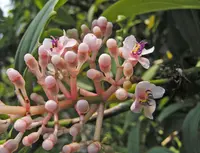
Graceful Health is a compact heather shrub, known botanically as Erica gracilis. It is often grown as a seasonal pot plant for its dense clusters of small bell-shaped flowers. The plant forms a bushy mound with fine, needle-like foliage that highlights the long-lasting blooms. In the wild, it occurs mainly in South Africa’s coastal regions, where it grows in nutrient-poor, acidic soils. Erica gracilis can be challenging indoors because it prefers cool, bright conditions, evenly moist soil, and very good drainage. Understanding how to care for Graceful Health starts with providing light, air circulation, and moisture levels close to its natural habitat.

Care Difficulty
Hard Care

Light Preference
Full Sun

Water Requirements
Keep Soil Moist

Temperature Preference
Cool Climate

Hardiness Zone
9–11

Soil Texture
Sandy, Peaty, Organic-rich

Soil pH
Strongly acidic (4.5–5.5)

Soil Drainage
Moist but well-drained

Fertilization
Minimal (feed rarely)
Scan your plant to receive care tips personalized for your specific plant
Available on iOS and Android
This heath prefers bright conditions that balance strong light with protection from harsh extremes.
Watering should keep the root zone consistently moist but never saturated.
This species prefers cool, mild conditions and reacts poorly to temperature extremes.
This heather prefers cool, moist air and reacts quickly to dry indoor conditions.
This species needs acidic, sharply drained, airy substrate that mimics heathland conditions.
This heather is suitable for container growing, especially on cool patios or balconies.
Erica gracilis benefits from light, precise feeding to support flowering while avoiding root stress.
Thoughtful pruning keeps Erica gracilis compact, longer-lived, and flowering well.
Container-grown plants usually stay in the same pot for one season, with transplanting done gently if needed outdoors.
Most home growers rely on nursery plants, but Erica gracilis can be propagated with careful technique.
Winter care focuses on shielding Erica gracilis roots and foliage from severe freezing and excess wet.

Plant Health Check
Not sure what's wrong with your plant? Check your plant's health inside the app.
This species is native to the fynbos of South Africa’s Western Cape, where it grows on nutrient-poor, acidic, sandy soils in cool, coastal mountain habitats.
In its natural habitat, the plant behaves as a relatively short-lived shrub, often persisting only a few seasons, which is why it is widely produced and sold as a temporary decorative pot plant.
It typically flowers in late autumn to winter in the Southern Hemisphere, producing dense masses of small bell-shaped blooms that provide nectar to local insects during a season when other floral resources are limited.
Lack of flowers usually comes from warm indoor temperatures, low light, or old age. This species blooms best in cool conditions and bright exposure. Once peak bloom is over, it normally does not rebloom indoors.
Keep your plants happy and healthy with plant identification, disease detection, and easy care guidance.