glory tree Care (Clerodendrum splendens)

Also known as: flaming glorybower
glory tree

About glory tree

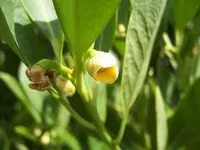
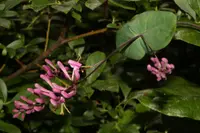
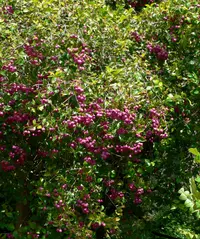
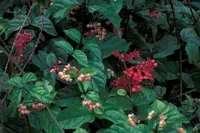
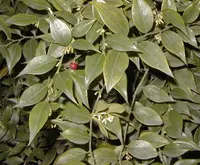
Glory tree (Clerodendrum splendens) is a tropical flowering vine or shrubby climber grown mainly for its bright red clusters of tubular blooms. It is often trained on trellises, arches, or supports, creating a dense wall of glossy green leaves and vivid flowers.

This species comes from West Africa, where it grows in warm, humid conditions with filtered light. In cultivation it prefers bright, indirect light, evenly moist but well-drained soil, and moderate humidity.

Its fast growth, need for regular pruning, and sensitivity to cold mean it is easier in frost-free climates or as a container plant. Understanding how to care for glory tree makes it a reliable long-season bloomer in suitable conditions.

Main Plant Requirements

Care Difficulty

Moderate Care

Light Preference

Partial Sun

Water Requirements

Regular Water

Temperature Preference

Tropical / Frost Sensitive

Hardiness Zone

10–11

Soil Texture

Loamy, Sandy, Organic-rich

Soil pH

Acidic (5.5–6.5), Slightly acidic (6.5–7.0)

Soil Drainage

Moist but well-drained

Fertilization

Moderate (every 2–4 weeks)

Get Personalized Care Plan

Scan your plant to receive care tips personalized for your specific plant

Available on iOS and Android

How to Care for the glory tree

This tropical climber thrives with bright, warm-season light but needs protection from harsh sun.

  • Provide 4–6 hours of morning sun with light afternoon shade; east or southeast exposure suits glory tree well.
  • In hot climates, give dappled or filtered light from midday onward to prevent leaf scorch and washed-out flower color.
  • In cooler regions, allow more direct sun, especially spring–autumn; poor flowering and lanky, pale stems indicate insufficient light.

This vine prefers consistently moist but not saturated soil, with short drying periods between waterings.

  • Water when the top 3–5 cm of soil feels dry, applying enough to moisten the root zone, then let excess drain away fully.
  • In spring and summer, monitor more often during heat or wind; in autumn and winter, extend the drying period to reduce rot risk.
  • Wilting, crisp leaf edges, and dry soil suggest underwatering, while yellowing leaves, soft stems, and a sour smell indicate overwatering in Clerodendrum splendens.

This species grows best in warm, frost-free conditions with modest seasonal variation.

  • Aim for 65–80°F (18–27°C) during active growth for reliable flowering and healthy foliage.
  • Protect the plant from temperatures below 45°F (7°C); brief dips to 40°F (4°C) may be survived but can damage new growth.
  • In hot spells above 90°F (32°C), increase shade and airflow, and avoid planting in heat-reflective spots near walls or paving.

This species benefits from moderately moist air to support healthy flowering and foliage.

  • Aim for 50–60% humidity; it tolerates brief dips lower but prolonged very dry air leads to leaf edge browning.
  • Watch for crisp leaf tips, curling, and stalled buds as signs the glory tree is under humidity stress.
  • Increase humidity with a nearby tray of damp pebbles or by grouping plants, rather than misting directly onto flowers.

Clerodendrum splendens prefers airy, moisture-retentive yet free-draining soil that avoids prolonged saturation.

  • Use a loose, loamy mix based on peat-free potting soil or coco coir with 20–30% perlite to improve drainage and aeration.
  • Incorporate well-rotted compost or leaf mould to increase organic matter, which helps hold moisture without becoming compacted.
  • Keep pH slightly acidic to neutral, around 6.0–7.0, since highly alkaline soils can limit nutrient uptake and weaken growth.
  • Avoid heavy clay, waterlogged spots, or very sandy mixes without organic matter, as these either suffocate roots or dry out too quickly.

This vine grows reliably in containers when given stable, well-drained conditions and support.

  • Choose a broad, heavy pot to counterbalance climbing or top-heavy growth so the container does not tip in wind.
  • Select slightly porous materials like unglazed clay if the site is rainy, or less porous plastic where rapid drying is a problem.
  • Provide a firm trellis or support fixed directly into the container so stems do not lever and crack the root zone in strong gusts.

Clerodendrum splendens responds well to moderate, consistent feeding during its active growing season.

  • Use a balanced water-soluble fertilizer (around 10-10-10 or 20-20-20) diluted to 1/2 strength every 2–4 weeks in spring and summer.
  • Alternatively, apply a slow-release balanced fertilizer at the start of spring, following label rates for container shrubs or vines.
  • Supplement with a thin layer of compost on the soil surface to support long-term soil health for a glory tree.
  • Reduce feeding to once in late autumn or stop entirely in winter when growth slows.

Thoughtful pruning helps Clerodendrum splendens stay compact and flower well.

  • Plan main pruning for late winter or very early spring before vigorous new growth begins.
  • Remove dead, damaged, crossing, or weak stems back to healthy wood to reduce disease risk and improve structure.
  • Shorten excessively long or leggy shoots by up to 1/3 to encourage branching and heavier flowering.
  • Use sharp, clean bypass pruners and make angled cuts just above outward-facing buds.

Container-grown Clerodendrum splendens benefits from periodic repotting to maintain strong growth.

  • Check for roots circling the pot, pushing out of drainage holes, or noticeably slower growth as signals to repot.
  • Plan to move the plant to a container 1–2 in wider every 2–3 years in late winter or early spring.
  • Water thoroughly the day before, then gently loosen the root ball and trim only tightly circling roots to limit stress.
  • Replant into fresh, free-draining mix, keep at the same soil level, water well, and shade lightly for 3–5 days after moving.

New plants of Clerodendrum splendens are most often produced from stem cuttings under warm, humid conditions.

  • Take 8–12 cm semi-ripe cuttings in late spring or summer from non-flowering shoots with several nodes.
  • Remove lower leaves, optionally dip the cut end in rooting hormone, and insert into a moist, free-draining mix.
  • Keep cuttings at 70–80°F with bright, indirect light and high humidity using a clear cover or propagator.
  • Allow roots to form and fill the small pot before hardening off and potting into individual containers.

Clerodendrum splendens is frost tender and needs careful winter care in regions with cold temperatures.

  • In zones colder than 10, grow in containers and move indoors before temperatures drop near 40°F.
  • Provide bright, indirect light indoors and keep temperatures above 55°F with slightly drier soil.
  • In mild climates, mulch the root zone with 5–8 cm of organic material to moderate soil temperature.

Care Tips

Provide climbing support

Install a sturdy trellis or wires early and loosely tie young stems with soft plant ties so the vine can climb and create a stable flowering wall rather than a tangled shrub.

Encourage branching

Pinch or tip-prune soft, actively growing shoots in late winter or early spring to promote more lateral branches, which leads to denser foliage and more flowering points.

Manage aggressive runners

In the ground, insert a root barrier or periodically spade a shallow trench around the plant to stop underground suckers from invading nearby beds and to keep the clump contained.

Seasonal container shift

For container plants, move the pot to a slightly cooler but bright spot during late autumn to encourage a short rest period, then return it to warmer, high-light conditions to trigger stronger flowering in the next cycle.

Targeted pest scouting

Inspect the undersides of leaves and soft shoot tips weekly during warm months for whiteflies, spider mites, and mealybugs, and hose down foliage or use insecticidal soap at the first signs instead of waiting for visible damage when caring for glory tree.

Common Pests and Diseases

Spider mites

This pest often appears on stressed vines grown in warm, dry indoor air and causes fine stippling, yellowing, and webbing on leaves. Symptoms include dull, dusty foliage and premature leaf drop, especially on the inner parts of the plant.

Solution

Rinse the plant thoroughly with a strong, lukewarm water spray, including the undersides of leaves, then increase humidity and reduce heat stress. For persistent infestations, apply insecticidal soap or a neem oil solution every 5–7 days until new growth appears clean, and prune heavily infested shoots if needed.

Whiteflies

These insects congregate on the undersides of leaves, flying up in a small cloud when the plant is disturbed and sucking sap from tender growth. Symptoms include sticky honeydew, leaf yellowing, and slowed growth, especially on potted plants in warm, sheltered patios or greenhouses.

Solution

Remove heavily infested leaves and gently wash remaining foliage with water and mild insecticidal soap, paying attention to leaf undersides. Use yellow sticky traps to reduce adult numbers and repeat soap or neem treatments weekly until no new adults or nymphs are seen.

Aphids

These insects cluster on new shoots, buds, and the back of young leaves, feeding on sap and distorting growth. Symptoms include curled or twisted leaves, sticky honeydew, and black sooty mold developing on the sugary deposits.

Solution

Pinch off or hose down heavily infested shoot tips, then wash remaining growth with insecticidal soap, ensuring full coverage. Repeat every 5–7 days until populations decline, and encourage natural predators outdoors by avoiding broad-spectrum insecticides.

Powdery mildew

This disease shows as white, powdery patches on leaves, stems, and sometimes flower stalks, often in conditions with warm days and cool, humid nights. Symptoms include distorted new growth, reduced flowering, and premature leaf drop if not managed.

Solution

Improve air circulation around the plant, avoid wetting foliage in the evening, and remove the most affected leaves to reduce spore load. Treat remaining foliage with a sulfur-based fungicide or a potassium bicarbonate product according to label directions, repeating at intervals until new growth remains clean.

Leaf spot

This disease causes brown or tan lesions with darker borders on leaves, which may merge into larger dead areas under prolonged humidity or overhead watering. Symptoms include thinning foliage and a general decline in vigor if many leaves are affected over time.

Solution

Remove and discard affected leaves, keep foliage as dry as possible, and water at the soil level rather than from above. Improve spacing and airflow, then apply a copper-based or chlorothalonil fungicide if new spots continue to appear, following label rates and intervals as part of structured Clerodendrum splendens plant care.

Interesting Facts

West African forest origin

This species is native to humid forest margins and thickets of West Africa, where it naturally scrambles over shrubs and small trees rather than growing as a free-standing shrub.

Two-layered flower display

Its bright red corollas emerge from inflated, pale calyx tubes, creating a two-tone effect that makes the inflorescences highly visible to bird and insect pollinators.

Long seasonal flowering

In warm climates it can flower over an extended season, often from late winter into summer, with successive clusters forming on the current season’s growth.

Botan icon

Did you know?

In mild, frost-free regions, this vine-like shrub can develop a semi-woody framework that persists for many years, allowing older specimens to cover large trellises or walls with dense, overlapping clusters of red flowers that attract significant hummingbird activity in suitable habitats.

FAQs about glory tree

Lack of flowers is usually due to insufficient light, heavy pruning at the wrong time, or low nutrients. Old wood carries most buds, so avoid hard pruning in late winter and provide balanced fertilizer to support flowering.

Grow Healthy Plants with Botan Care

Keep your plants happy and healthy with plant identification, disease detection, and easy care guidance.

Botan plant care app — identify plants on mobile

Explore More Plants