Kei cycad Care (Encephalartos princeps)

Kei cycad

About Kei cycad

Kei cycad, Encephalartos princeps, is a rare, slow-growing cycad from the dry river valleys of the Eastern Cape in South Africa. It is an ancient cone-bearing plant, not a flowering plant.

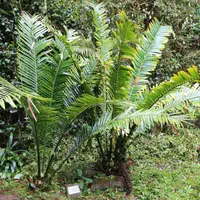
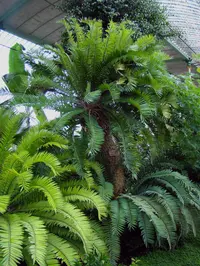
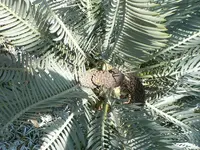
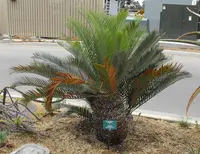
Mature plants form a stout trunk topped with a symmetrical crown of stiff, arching blue-green leaves. The bold, sculptural shape makes it a strong focal point in collections or specialty gardens.

This species prefers bright light, very well-drained, gritty soil, and careful, infrequent watering. Its slow growth, sensitivity to overwatering, and need for warmth and sun mean it suits patient growers willing to learn how to care for Kei cycad.

Main Plant Requirements

Care Difficulty

Hard Care

Light Preference

Full Sun

Water Requirements

Low Water

Temperature Preference

Warm Climate

Hardiness Zone

9–11

Soil Texture

Sandy, Loamy, Rocky

Soil pH

Slightly acidic (6.5–7.0), Neutral (7.0)

Soil Drainage

Well-drained

Fertilization

Minimal (feed rarely)

Get Personalized Care Plan

Scan your plant to receive care tips personalized for your specific plant

Available on iOS and Android

How to Care for the Kei cycad

This South African cycad thrives in bright, open exposure with some protection at the hottest times of day.

  • Provide 6–8 hours of direct sun daily, with morning and late-afternoon sun ideal; light afternoon shade in very hot, dry regions prevents leaflet scorch.
  • Young Kei cycad plants benefit from filtered light through high tree canopy for their first 2–3 years, then can be transitioned gradually into fuller sun.
  • In deep shade, leaves elongate and lose their bluish tone; move the plant slowly into brighter conditions over several weeks to avoid sunburn.

This drought-tolerant cycad prefers deep but infrequent watering in sharply drained soil.

  • Water only when the top 3–5 cm of soil are fully dry, then soak the root zone thoroughly and let excess drain away, especially in rocky or sandy sites.
  • In warm, active growth periods, expect to water more often after heat waves; in cool seasons, reduce frequency greatly and allow the soil to dry deeper.
  • Signs of overwatering include yellowing leaf bases and soft caudex tissue, while crisp leaflet tips and rapid frond drop suggest the Encephalartos princeps is too dry.

This species prefers warm, dry conditions but demands protection from hard frost and prolonged cold.

  • Optimal growth occurs around 70–85°F (21–29°C); new flushes of leaves form most reliably when nights stay above about 55°F (13°C).
  • Mature plants may tolerate brief dips to 28–30°F (-2 to -1°C) if dry, but repeated freezes damage fronds and can injure the growing point.
  • In very hot climates above 100°F (38°C), provide some afternoon shade and good airflow so leaflets do not scorch and the caudex does not overheat.

This cycad prefers fairly dry air and usually adapts well to typical indoor humidity.

  • Aim for 30–50% humidity; caring for Kei cycad rarely requires extra moisture unless air is extremely dry.
  • Sustained humidity below 25% can cause browned leaflet tips and slower new flushes.
  • If air is very dry, group plants, place the pot on a pebble tray with water below the base, or run a nearby humidifier.

This species needs sharply drained, mineral-rich soil that dries quickly after watering.

  • Use a gritty mix such as 40% cactus potting mix, 40% coarse sand or fine gravel, and 20% pumice or perlite for structure and aeration.
  • Keep drainage very fast; water should pass through the pot within seconds and not leave the mix muddy or compacted.
  • Target slightly acidic to neutral pH around 6.0–7.0, avoiding strongly acidic peat-heavy blends that hold water too long.
  • For outdoor planting, amend native soil heavily with coarse sand and stone chips to prevent water pooling around the caudex and roots.

This cycad is suitable for long-term container growing when given a stable, heavy pot and fast-draining mix.

  • Choose a deep, weighty container (ceramic or concrete) to counteract the tall, top-heavy crown in windy or exposed spots.
  • Keep the root ball slightly snug rather than oversized to reduce water retention and protect the caudex from staying wet.
  • Elevate the pot on feet or spacers so drainage holes clear freely and excess water never stagnates under the base.

This slow-growing cycad benefits from light, careful feeding rather than heavy fertilization.

  • Use a balanced slow-release fertilizer or organic compost with micronutrients formulated for cycads or palms.
  • Feed lightly 1–2 times during the warm growing season, avoiding mid-summer heat spikes and drought stress.
  • Apply at 50% of the label rate to protect sensitive roots of Kei cycad from salt buildup and burn.
  • Stop feeding in fall and winter when growth slows, to avoid forcing weak, cold-sensitive tissue.

Pruning needs for Encephalartos princeps are minimal and focus on hygiene rather than shaping.

  • Best time to prune is late spring to early summer, once the risk of frost has passed.
  • Remove only dead, yellowed, diseased, or badly damaged fronds at the base using clean, sharp pruners or a saw.
  • Avoid cutting green, healthy fronds, as each contributes significantly to photosynthesis and overall vigor.
  • Clear away old frond bases and debris around the crown to improve airflow and reduce pest or fungal issues.

Container-grown or young landscape plants benefit from careful, infrequent transplanting to avoid root disturbance.

  • Plan to move plants only every 4–6 years, or when roots circle the pot, drain holes clog, or growth slows noticeably.
  • Schedule repotting or transplanting for late spring to early summer when soil is warm and active root growth resumes.
  • Lift the plant gently, keeping the woody caudex and main roots intact, and place in a deep, fast-draining gritty mix or sandy soil.
  • Water thoroughly once, then keep slightly dry for several days to limit rot, shading the plant until it re-establishes.

New plants are usually produced from offsets or seeds, both of which are slow and best suited to patient growers.

  • Separate basal offsets in late spring or early summer once they form their own roots and a firm caudex.
  • Allow cut surfaces to dry and callus for several days, then plant in a coarse, sterile, fast-draining medium.
  • Keep temperatures around 70–80°F with bright, indirect light and very light watering to avoid rot during rooting.
  • Seed propagation demands fresh, viable seed, warm bottom heat, and many months to years for germination and early growth.

This cycad has some cool tolerance but still benefits from targeted winter protection in colder regions.

  • Tolerates light frost but is safer above 28–30°F, especially for young plants or container specimens.
  • Apply a 5–8 cm dry mulch around the root zone, keeping it slightly away from the caudex to avoid rot.
  • Move potted plants indoors or into an unheated greenhouse with bright light and good air movement for winter.
  • In-ground plants in marginal climates may need fleece or a breathable cover over the crown during hard freezes.

Care Tips

Deep root anchoring

When planting in the ground, position the caudex slightly above the surrounding soil line and backfill firmly in layers to encourage deep, stable rooting and prevent water from pooling around the crown.

Calcium-rich topdressing

Apply a light topdressing of crushed granite or limestone gravel around the root zone once a year to support this species’ preference for mineral-rich, slightly alkaline substrates without over-fertilizing.

Summer heat management

In very hot inland climates, provide afternoon shade or use a shade cloth during heatwaves above 100°F to prevent leaflet scorch while still allowing strong morning light for healthy growth.

Winter rain protection

In regions with cool, wet winters, place a simple clear cover or cold frame over the plant to keep the crown and caudex dry, reducing the risk of rot while allowing good air movement.

Controlled pot upsize

For container plants, move to a new pot only 2–5 cm wider when roots circle the bottom, using a tall, heavy container to stabilize the long taproot and heavy crown, which is especially important when growing Kei cycad in windy locations.

Common Pests and Diseases

Scale insects

This pest often colonizes the leaf bases and undersides of the stiff fronds, sucking sap and causing yellowing, reduced vigor, and sticky honeydew that can lead to sooty mold.

Solution

Physically remove encrusted adults with a soft brush or cloth, then treat all fronds and the crown with a light horticultural oil or insecticidal soap, repeating every 7–10 days until new growth is clean; in severe outdoor infestations, a systemic insecticide labeled for cycads can be used according to label directions.

Cycad aulacaspis scale

This pest is a specialized, highly destructive white scale that can cover both upper and lower frond surfaces and even roots, leading to rapid decline and, if untreated, plant death.

Solution

Remove and destroy heavily infested fronds, wash remaining foliage thoroughly with water and a soft brush, then apply horticultural oil to all above-ground parts and the exposed root crown, repeating several times; in regions where this pest is established, integrate systemic treatment and strict quarantine of new cycads as part of Encephalartos princeps care instructions.

Mealybugs

These insects hide in leaf bases, around the crown, and on young fronds, appearing as white cottony clusters and causing distorted growth, honeydew, and sooty mold.

Solution

Dislodge visible colonies with a strong water spray or cotton swab dipped in isopropyl alcohol, then follow with insecticidal soap applications at 7–10 day intervals, paying special attention to tight crevices around the crown and any container rims.

Fungal leaf spot

This disease appears as small brown to dark lesions on the fronds, sometimes with yellow halos, often following periods of prolonged leaf wetness or poor air circulation.

Solution

Prune and discard affected fronds, avoid overhead watering, and ensure strong air movement around the plant; in persistent cases, apply a broad-spectrum fungicide labeled for ornamental cycads during warm, humid periods, following all label instructions.

Crown rot

This disease affects the central growing point, causing soft, discolored tissue at the crown, collapse of new fronds, and a foul smell in advanced cases, often after cold or water stress.

Solution

Immediately remove all soft, decayed tissue from the crown with sterile tools, allow the area to dry thoroughly, and treat the exposed surface with a suitable fungicide or bactericide; adjust watering to keep the crown dry, improve drainage, and protect the plant from prolonged cold, wet conditions to support recovery and future resilience.

Interesting Facts

Blue waxy foliage

The leaves often show a striking bluish to silvery tone caused by a waxy coating that reduces water loss and reflects intense sunlight in its arid South African habitat.

Cliffside specialist

In the wild it typically grows on steep, rocky sandstone slopes above the Kei River, where excellent drainage and exposure protect it from root rot and competition from other plants.

Dioecious reproduction

This cycad is dioecious, meaning individual plants are either male or female and produce separate cone types, so seed production in cultivation requires pollen transfer from a male to a female plant.

Botan icon

Did you know?

This species is considered one of the rarest cycads in nature, with wild populations restricted to a small area of the Eastern Cape, and has become a focus of conservation efforts due to severe pressure from habitat loss and illegal collecting.

FAQs about Kei cycad

Yellowing foliage usually results from overwatering, waterlogged soil, or prolonged cold. Check that the pot drains freely, allow the mix to dry partly between waterings, and protect the crown from temperatures below about 40°F.

Grow Healthy Plants with Botan Care

Keep your plants happy and healthy with plant identification, disease detection, and easy care guidance.

Botan plant care app — identify plants on mobile

Explore More Plants