bear huckleberry Care (Gaylussacia ursina)

bear huckleberry

About bear huckleberry

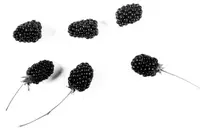
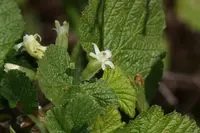
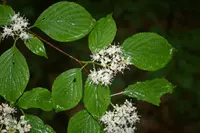
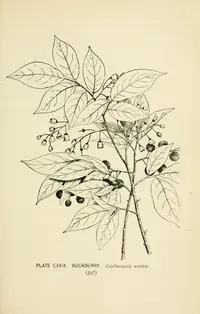
Bear huckleberry (Gaylussacia ursina) is a low, spreading shrub in the heath family, related to blueberries and other ericaceous plants. It forms dense, bushy clumps with small, glossy leaves and dark berries that resemble small huckleberries.

This species is native to the southeastern United States, where it grows in sandy, acidic habitats such as pine woods and scrub. Its preference for acidic, well-drained soil and consistent moisture is the main factor that influences how easy it is to grow.

Gardeners who learn how to care for bear huckleberry usually find it manageable in suitable climates, especially in sites with sun to light shade and low-competition planting areas.

Main Plant Requirements

Care Difficulty

Moderate Care

Light Preference

Partial Shade

Water Requirements

Regular Water

Temperature Preference

Cold Hardy

Hardiness Zone

6–9

Soil Texture

Sandy, Loamy, Organic-rich

Soil pH

Strongly acidic (4.5–5.5), Acidic (5.5–6.5)

Soil Drainage

Moist but well-drained

Fertilization

Minimal (feed rarely)

Get Personalized Care Plan

Scan your plant to receive care tips personalized for your specific plant

Available on iOS and Android

How to Care for the bear huckleberry

Gaylussacia ursina prefers bright, cool conditions that mimic open woodland edges.

  • Provide 4–6 hours of sun daily, ideally with gentle morning sun and light afternoon shade, especially in hotter regions.
  • Tolerates partial shade, but too much shade reduces flowering and fruiting; aim for dappled or filtered light under high trees.
  • In summer, protect from harsh midday sun to prevent leaf scorch, while in winter full sun exposure is beneficial in mild climates.

This shrub prefers consistently moist, acidic, well-drained soil without staying waterlogged.

  • Water when the top 3–5 cm of soil feels slightly dry, focusing on deep soaking rather than frequent light sprinkling.
  • Increase watering during hot, dry spells and reduce in cool, rainy seasons, letting natural rainfall supply most moisture where possible.
  • Watch leaves for cues: drooping, dull leaves suggest underwatering, while yellowing, soft foliage or blackened stems indicate overwatering and poor drainage.

This species is adapted to cool to mild climates and tolerates substantial winter cold once established.

  • Optimal growing temperatures are about 60–75°F (16–24°C) during the active season, with steady moisture and protection from drying winds.
  • Mature plants tolerate winter lows near 0°F (−18°C) when planted in the ground and mulched, but young plants benefit from protection below 20°F (−6°C).
  • In summer, plants handle brief heat up to 85–90°F (29–32°C) if soil remains moist; prolonged extreme heat or hot, dry winds can stress foliage and reduce fruit set.

This shrub prefers moderately moist air but usually adapts to typical outdoor humidity in its range.

  • Aim for 40–60% humidity in sheltered planting areas, avoiding very exposed, drying winds.
  • Dry air stress shows as crisp leaf edges, slowed growth, and increased mite activity on bear huckleberry foliage.
  • Increase humidity locally by mulching the root zone 5–8 cm deep and grouping shrubs to reduce evaporative drying.

Gaylussacia ursina thrives in light, acidic, well-drained but consistently moist soil.

  • Use a sandy to sandy-loam mix with high organic matter, such as 50–70% acidic peat or coniferous compost plus sharp sand.
  • Target pH 4.5–5.5, avoiding alkaline or limed soils that cause chlorosis and weak growth.
  • Improve drainage and aeration by mixing in pine bark fines and a small portion of perlite, especially in heavier native soils.
  • Avoid compacted clay, standing water, or dense man-made fill, which suffocate fine roots and increase root-rot risk.

This species can be grown in containers for several years with careful moisture and root-space management.

  • Choose a deep, wide container to accommodate its spreading, fibrous root system and maintain stable moisture distribution.
  • Use a heavier pot material or add weight at the base to prevent tipping in windy sites as the shrub gains height and mass.
  • Elevate the pot on feet or bricks so drainage holes clear quickly after rain and the lower root zone does not sit in runoff.

This native shrub usually needs little feeding, as it evolved in low-nutrient, acidic soils.

  • If growth and leaf color decline, apply a light layer of acidic compost around the root zone in early spring.
  • Use a mild, slow-release, acid-forming fertilizer (for blueberries or rhododendrons) at 1/2 label strength during the growing season.
  • Feed at most 1–2 times per year, and skip fertilizing bear huckleberry in winter or when naturally dormant.

Pruning Gaylussacia ursina is minimal and mainly done to maintain plant health and structure.

  • Best time is late winter to very early spring, before new growth begins.
  • Remove any dead, diseased, storm-damaged, or rubbing stems with clean, sharp hand pruners.
  • Thin a few older, crowded stems at the base to improve light and air flow, preserving the shrub’s natural form.
  • Avoid heavy shaping cuts, which can reduce flowering and berry production for the season.

This species is most often grown in the ground; focus on careful transplanting rather than frequent container repotting.

  • Transplant in early spring or early fall, when temperatures are cool and soil moisture is steady.
  • Look for signs like slow growth, poor vigor, or roots circling a nursery container before upsizing or transplanting.
  • Move Gaylussacia ursina with as much intact root ball as possible, keeping roots moist and shaded during the process.
  • Replant into acidic, well-drained soil, water thoroughly, then mulch lightly to reduce root stress and moisture loss.

Propagation of Gaylussacia ursina is possible but usually slow and best suited to patient growers.

  • Use semi-hardwood cuttings in late summer, placed in acidic, well-drained medium with high humidity and bright shade.
  • Layering low, flexible stems into adjacent soil in spring can root over a season, then be separated later.
  • Seed propagation requires fresh seed, acidic substrate, and cold stratification, meaning a cool, moist period before germination.

This shrub is generally cold hardy in its native range and needs limited winter attention in the ground.

  • Tolerates typical frost where it is hardy, but young plants benefit from extra care their first 1–2 winters.
  • Apply a 5–8 cm layer of organic mulch around the root zone in late fall, keeping it off the stems.
  • Container-grown plants are more exposed; move them into a sheltered, unheated but frost-moderated spot for winter.

Care Tips

Mulch For Moisture

Apply a 5–8 cm layer of pine needles or shredded bark around the root zone to keep the shallow roots cool, conserve moisture, and maintain the acidic conditions this shrub prefers.

Encourage Colonies

When planting several shrubs, space them 60–90 cm apart and lightly loosen the soil between plants every 2–3 years to encourage rhizomes to spread and form a productive berry patch.

Protect Flower Buds

In areas with late spring frosts, cover shrubs overnight with breathable fabric when frost is forecast to protect flower buds and secure fruit set.

Targeted Bird Management

Use wildlife-friendly netting over plants only once berries begin to color, and keep the net raised off the foliage with simple stakes to reduce bird damage while allowing light and air flow.

Low-Input Renewal

Every 4–5 years, remove a portion of the oldest, thickest stems at ground level during late winter to stimulate new growth and maintain consistent berry production when growing bear huckleberry.

Common Pests and Diseases

Blueberry maggot

This pest is a fly whose larvae tunnel inside ripening berries, causing them to soften, collapse, and become discolored or wormy. Symptoms include prematurely dropping fruit and berries that seem sound outside but are brown and mushy inside.

Solution

Collect and destroy infested or fallen berries promptly to break the life cycle, and use fine-mesh fruit netting before berries soften to prevent egg-laying on clusters. In home landscapes near commercial blueberry areas, yellow sticky traps can be used for monitoring adults, and soil under shrubs can be lightly cultivated in late fall to expose overwintering pupae to predators and cold.

Mummy berry

This disease is a fungal infection that causes young shoots and leaves to wilt and then produces tan, shriveled berries that resemble gray or white mummies. Symptoms include blighted spring shoots, distorted leaves, and berries that dry up and fall or remain as hard mummified fruits.

Solution

Remove and discard all mummified berries from plants and soil in late winter to reduce the source of infection, and keep mulch refreshed so mummies are buried and cannot release spores. Improve airflow by light pruning, avoid overhead irrigation during cool, wet spring periods, and if the disease is repeatedly severe, consult local extension guidelines about timing of low-toxicity fungicide sprays for nearby blueberry relatives and apply similarly to Gaylussacia ursina care instructions.

Botrytis fruit rot

This disease is caused by Botrytis fungus, which attacks flowers and maturing berries during prolonged cool, damp weather, leading to soft, pale spots that become covered with gray, fuzzy mold. Symptoms include blossom blight, fruit drop, and clusters where several berries rot together.

Solution

Thin dense growth lightly to improve airflow, avoid wetting flowers and fruit when irrigating, and water early in the day so foliage dries quickly. Remove and dispose of moldy berries and dead flower clusters promptly, and maintain a clean mulch layer so infected debris does not remain in contact with the lower stems and fruiting wood.

Leaf spot complex

This disease group involves several fungi that create small purple, red, or brown spots on leaves, which may merge and cause premature leaf drop, especially in humid weather. Symptoms include thinned foliage by late summer and sometimes yellow halos around spots.

Solution

Rake and remove fallen leaves in autumn to limit overwintering spores, and keep plants in an open, sunny position where possible to speed leaf drying after rain. Use drip or soaker irrigation instead of overhead watering, and renew mulch to reduce splash of spores from soil to lower leaves.

Aphids

These insects feed on young shoots and the undersides of leaves, causing curling, distortion, and sticky honeydew that can lead to dark sooty mold on foliage. This pest often clusters on tender growth and flower stems, and may attract ants that farm them for honeydew.

Solution

Rinse colonies from stems and leaves with a firm stream of water in the morning on several consecutive days, focusing on shoot tips and leaf undersides. Encourage or introduce natural predators such as lady beetles, avoid high-nitrogen fertilizer that drives very soft growth, and if needed use insecticidal soap or a light horticultural oil, making sure to cover all infested surfaces and to spray during cooler parts of the day.

Interesting Facts

Specialist of pine barrens

This species is strongly associated with fire-prone pine barrens and sandhill habitats in the southeastern United States, thriving in dry, acidic, nutrient-poor sandy soils where many other shrubs struggle.

Distinctive resin glands

The leaves and fruits have tiny resinous glands that give the plant a slightly sticky feel and a resinous odor, a feature that helps distinguish it from related blueberries and other huckleberries in the field.

Genetic and geographic narrowness

Bear huckleberry has a relatively limited natural range compared with some Gaylussacia relatives, occurring mainly in the Coastal Plain and nearby regions of the southeastern US, which makes local habitat conservation important for its long-term persistence.

FAQs about bear huckleberry

This species grows slowly, usually adding 5–15 cm per year under suitable conditions. Growth is faster in moist, acidic, well‑drained soils and cooler climates, and slower in dry, compacted, or alkaline sites.

Grow Healthy Plants with Botan Care

Keep your plants happy and healthy with plant identification, disease detection, and easy care guidance.

Botan plant care app — identify plants on mobile

Explore More Plants