Encourage Airflow
Space plants at least 90–120 cm apart and thin out congested inner shoots in late winter to improve airflow and reduce powdery mildew and rust problems when growing canyon gooseberry.

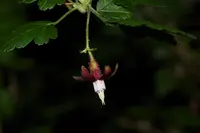
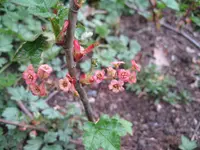
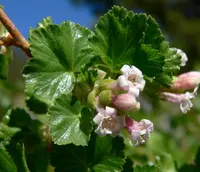
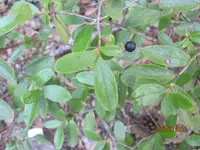
Canyon gooseberry, Ribes menziesii, is a deciduous shrub native to dry slopes and canyons of California and parts of the western United States. It typically forms a dense, arching mound with thorny branches and small, lobed leaves. In spring it produces hanging, reddish to purple tubular flowers that attract hummingbirds, followed by spiny, translucent berries. This species is adapted to summer-dry climates and generally prefers sun to light shade and well-drained, rocky or sandy soils. Once established, it shows good drought tolerance, which makes it useful in low-water gardens and habitat plantings. These traits mean it can be reliable if sited correctly, but the thorns and need for dry conditions shape how to care for canyon gooseberry.

Care Difficulty
Moderate Care

Light Preference
Partial Sun

Water Requirements
Moderate Water

Temperature Preference
Cold Hardy

Hardiness Zone
7–9

Soil Texture
Sandy, Loamy, Rocky

Soil pH
Acidic (5.5–6.5), Slightly acidic (6.5–7.0)

Soil Drainage
Well-drained

Fertilization
Minimal (feed rarely)
Scan your plant to receive care tips personalized for your specific plant
Available on iOS and Android
This shrub prefers bright outdoor conditions with a balance of direct sun and partial shade.
This species prefers well-drained soil that dries slightly between waterings once established.
This shrub is adapted to mild, Mediterranean-type climates with cool winters and warm, dry summers.
Ribes menziesii tolerates a wide humidity range and usually needs no special humidity management outdoors.
Ribes menziesii grows best in loose, well-drained mineral soils with moderate organic matter.
This species can be grown in containers if the pot is large and stable enough for its woody, spiny framework.
Ribes menziesii is a low-input native shrub that benefits from modest feeding in poor or very dry soils.
Pruning helps Ribes menziesii maintain a tidy, open shape and sustain good flowering.
This shrub is usually grown in the ground, so focus on thoughtful transplanting rather than frequent repotting.
Ribes menziesii is commonly propagated by semi-hardwood cuttings or simple layering for reliable clones.
This canyon gooseberry is generally cold hardy in typical temperate climates and needs only light winter care.

Plant Health Check
Not sure what's wrong with your plant? Check your plant's health inside the app.
This gooseberry is native to coastal ranges and chaparral of central and southern California, where it is adapted to dry summers, rocky slopes, and open oak or pine woodland edges.
It develops stout, sometimes triple-branched spines at the nodes, which protect the plant from browsing by deer and other herbivores and make mature shrubs notably difficult for animals to penetrate.
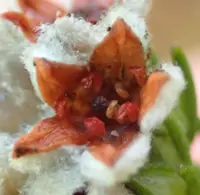
The plant produces nodding, reddish to purplish, urn-shaped flowers with reflexed petals, which are pollinated mainly by hummingbirds and bees early in the season when few other shrubs are in bloom.

Ribes menziesii is considered one of the more drought-tolerant North American gooseberries and is sometimes used in native habitat restoration projects to stabilize slopes and restore structure to degraded chaparral communities.
Poor flowering usually results from insufficient light, heavy pruning of 1–2-year-old wood, or stress from drought or recent transplanting. Avoid cutting older flowering stems, and keep soil moisture steady during late winter and early spring bud formation.
Keep your plants happy and healthy with plant identification, disease detection, and easy care guidance.