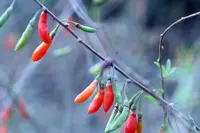
campanulate enkianthus Care (Enkianthus campanulatus)

Also known as: redvein enkianthus
campanulate enkianthus

About campanulate enkianthus

Campanulate enkianthus (Enkianthus campanulatus) is a deciduous shrub grown mainly for its spring flowers and strong autumn color. It forms an upright, branching structure with tiers of small leaves that turn vivid red, orange, or yellow in fall.

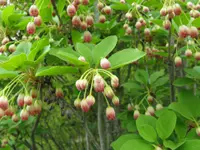
In late spring, it produces clusters of hanging, bell-shaped flowers, often cream to pink with fine red veining. It is native to woodlands and mountain slopes in Japan, where it grows in cool, acidic, well-drained soils.

Gardeners who want to care for campanulate enkianthus should note that it prefers partial sun, consistent moisture, and soil that does not dry out completely or stay waterlogged.


Main Plant Requirements

Care Difficulty

Moderate Care

Light Preference

Partial Shade

Water Requirements

Regular Water

Temperature Preference

Cold Hardy

Hardiness Zone

5–7

Soil Texture

Loamy, Peaty, Organic-rich

Soil pH

Strongly acidic (4.5–5.5), Acidic (5.5–6.5)

Soil Drainage

Moist but well-drained

Fertilization

Minimal (feed rarely)

Get Personalized Care Plan

Scan your plant to receive care tips personalized for your specific plant

Available on iOS and Android

How to Care for the campanulate enkianthus

This deciduous shrub prefers cool, bright conditions with protection from harsh midday sun.

  • Provide 4–6 hours of morning sun or bright, filtered light under high tree canopies; avoid strong western exposure in hot climates.
  • It tolerates light to medium partial shade, but flowering of campanulate enkianthus is reduced if it receives less than about 3–4 hours of direct or dappled light.
  • In summer, watch for leaf scorch on south- or west-facing sites and use mulch or nearby plants for shade; in cooler seasons, more direct sun is beneficial.

This shrub prefers evenly moist, acidic, well-drained soil and does not tolerate standing water.

  • Water when the top 3–5 cm of soil feels dry, applying a deep soak so moisture reaches the full root zone rather than frequent shallow splashes.
  • Reduce watering frequency in cool, rainy seasons and increase slightly during hot, dry periods, especially for new plantings in the first 1–2 years.
  • Watch for wilting, curling, or dull leaves as signs of underwatering, and for yellowing leaves or blackened roots as signals of overwatering or poor drainage.

This species is a cool-temperate shrub with good cold tolerance but moderate sensitivity to high heat.

  • Aim for active growing-season temperatures around 60–75°F (16–24°C), which support steady growth and bud development without excessive stress.
  • Established plants typically tolerate winter lows down to about -10°F (-23°C) with snow cover; younger shrubs benefit from mulch over the root zone in colder areas.
  • In regions where summer highs exceed 85°F (29°C), provide afternoon shade and consistent soil moisture to reduce heat stress and leaf scorch.

This shrub prefers moderate ambient humidity and is not very sensitive to short dry spells.

  • Target 40–60% relative humidity, which is common outdoors in many temperate regions during the growing season.
  • Leaves curling at the margins or browning at tips can suggest extended exposure to very dry air, especially with hot winds.
  • In prolonged dry periods, group plants near other shrubs and mulch the root zone to stabilize moisture, reducing humidity stress.

Enkianthus campanulatus needs consistently moist, acidic, well-aerated soil with reliable drainage.

  • Use a loose, humus-rich, loamy soil that retains moisture yet never stays waterlogged, mimicking woodland leaf litter conditions.
  • Aim for acidic pH 4.5–6.0; incorporate ericaceous compost, peat-free acidic mix, or pine bark fines to lower pH.
  • Improve drainage and aeration with 10–20% coarse sand or fine grit plus 10–20% composted bark, avoiding heavy clay or compacted ground.
  • Avoid alkaline soils, poorly drained hollows, and sites where water stands after rain, as these lead to root decline and chlorotic foliage.

This species can be grown in containers for several years if the pot setup protects its shallow, fine roots.

  • Choose a deep, heavy container that resists wind rock, since the shrub becomes top-heavy as it matures.
  • Line the pot base with a thin layer of coarse grit to keep drainage holes clear while still allowing free water flow.
  • Select a thick-walled ceramic or clay pot to buffer rapid moisture and temperature swings around the root zone.

This shrub benefits from light feeding but grows best in nutrient-rich, acidic soil rather than heavy fertilization.

  • Apply a balanced, slow-release fertilizer (around 10-10-10) at half strength once in early spring for caring for campanulate enkianthus.
  • Supplement with a thin layer of compost over the root zone in spring to support steady growth.
  • Avoid additional feeding in late summer and fall to prevent tender growth before cold weather.
  • Do not fertilize during winter dormancy; keep soil slightly moist but not waterlogged.

Enkianthus campanulatus needs only light, well-timed pruning to maintain shape and flowering.

  • Time pruning for immediately after flowering in late spring to avoid removing next year’s buds.
  • Remove dead, diseased, or crossing branches first, cutting back to healthy wood.
  • Thin congested interior shoots to improve light penetration and air flow.
  • Use clean, sharp bypass pruners and make small, angled cuts just above a bud or side branch.

This plant is usually grown in the ground, so focus on careful transplanting rather than frequent repotting.

  • Transplant in early spring or early fall when temperatures are mild and soil is workable.
  • Look for signs such as slow growth, reduced flowering, or roots circling a pot if grown in containers.
  • Move to a slightly larger container or new site with acidic, well-drained soil, keeping the rootball intact.
  • Water thoroughly after planting, apply mulch, and shade lightly for 1–2 weeks to reduce transplant stress.

Propagation of Enkianthus campanulatus is possible but somewhat slow and best suited to patient growers.

  • Take semi-ripe cuttings in mid to late summer, 7–10 cm long, from non-flowering shoots.
  • Use a well-drained, acidic medium, apply rooting hormone, and keep humidity high with bright, indirect light.
  • Seed propagation is slower; sow fresh seed in fall in cool conditions, allowing natural stratification.
  • Layering low, flexible branches in spring can also work; sever and pot the rooted section after 1 season.

This shrub is generally cold hardy but benefits from moderate winter preparation in colder regions.

  • Enkianthus campanulatus tolerates frost in USDA zones around 5–7 once established.
  • Apply a 5–8 cm mulch layer over the root zone in late fall, keeping it away from the trunk.
  • In very exposed sites, use a windbreak or burlap screen to reduce winter wind scorch.
  • For container plants in cold areas, move pots to a sheltered, unheated but frost-sheltered spot.

Care Tips

Mulch Root Zone

Apply a 5–8 cm layer of pine bark or leaf mold over the root zone each spring, keeping it 5 cm away from stems, to keep roots cool, conserve moisture, and maintain the slightly acidic conditions preferred when growing campanulate enkianthus.

Use Mycorrhizal Inoculant

When planting or transplanting, dust the root ball and backfill with an ericoid or acid-loving plant mycorrhizal inoculant to improve nutrient uptake in low-fertility, acidic soils.

Shelter From Spring Frost

In areas with late frosts, drape a breathable frost cloth or old sheet over the shrub on nights forecast below 32°F during bud swell to protect flower buds from damage.

Underplant With Groundcovers

Plant shallow-rooted, non-competitive groundcovers such as woodland perennials around the base to shade the soil surface, reduce weed competition, and keep the fine roots from drying out.

Monitor Branch Structure

Every 2–3 years in late winter, inspect the shrub for crossing, rubbing, or congested interior branches and remove a small number of them cleanly to improve air movement and reduce future disease pressure.

Common Pests and Diseases

Azalea lace bug

This insect feeds on the undersides of leaves, causing pale stippling, bronzing, and a dry, faded look, especially in sunny positions. Symptoms include tiny black varnish-like spots of excrement on the lower leaf surface.

Solution

Inspect the undersides of leaves in late spring and summer, then hose foliage with a strong stream of water to remove nymphs and adults. If damage is recurring, use horticultural oil or insecticidal soap directed to the leaf undersides, and reduce plant stress by keeping soil evenly moist and providing light shade in hot climates.

Leaf spot

This disease causes small brown to dark-purple spots on leaves that may coalesce, leading to premature leaf drop in wet seasons. Symptoms include more severe spotting in dense, shaded, or poorly ventilated plantings.

Solution

Remove and discard heavily spotted leaves from the plant and ground to reduce inoculum, and avoid overhead watering that keeps foliage wet for long periods. Improve air circulation by spacing and selective pruning, and in persistent cases use a labeled fungicide in early spring as new leaves emerge, following detailed Enkianthus campanulatus care instructions from local extension resources.

Powdery mildew

This disease produces white to gray powdery growth on leaf surfaces, which can lead to distorted new growth and reduced vigor. Symptoms include dull, patchy foliage that may yellow or drop early if infection is heavy.

Solution

Increase light and airflow around the shrub by thinning crowded branches and avoiding dense hedging. Remove the worst affected shoots and leaves, water the soil not the foliage, and apply a sulfur or potassium bicarbonate-based product at the first sign of infection if conditions favor repeated outbreaks.

Scale insects

These insects appear as small, dome-shaped or oval bumps on stems and sometimes leaves, sucking sap and causing leaf yellowing and reduced growth. This pest often produces sticky honeydew that can lead to sooty mold on foliage below.

Solution

Prune out and discard heavily infested stems, then gently scrape or rub off individual scales by hand or with a soft brush. For broader infestations, use horticultural oil during the growing season, thoroughly coating stems and leaf undersides, and support plant health with consistent watering and mulch to reduce stress.

Dieback and canker

This disease causes sections of stems to wilt and die back from the tip, often with sunken or discolored bark areas known as cankers. Symptoms include sudden browning of shoots while the rest of the plant appears healthy.

Solution

Prune affected stems back into healthy wood, cutting at least 10–15 cm below visible damage, and disinfect pruning tools between cuts with alcohol or a 10% bleach solution. Improve plant vigor through proper watering, mulch, and site drainage, and avoid wounding stems, since stressed or injured plants are more susceptible to canker pathogens.

Interesting Facts

Distinct bell-shaped flowers

This shrub produces small, bell-shaped flowers in late spring, typically cream to pale yellow with fine red veins, arranged in drooping clusters that resemble tiny lanterns. The veining pattern is a key visual feature that helps distinguish it from other Ericaceae shrubs with similar blossoms.

Acid-loving woodland shrub

It naturally grows in cool, acidic, well-drained woodland soils in Japan, often on mountain slopes where organic matter is high and competition for light is moderate. In cultivation, it performs best when these conditions are mimicked, similar to those used for rhododendrons and azaleas.

Reliable autumn color

This species is valued in temperate gardens for its consistent and often intense autumn foliage, which can turn shades of orange, red, and scarlet before leaf drop. The strong fall color is a primary reason it is used as a feature shrub in Japanese-style and woodland gardens, and is frequently mentioned in Enkianthus campanulatus care instructions.

Botan icon

Did you know?

Enkianthus campanulatus was introduced from Japan to Western horticulture in the late 19th century and quickly became a prized shrub in British and European collections, especially at woodland estates, because it tolerated cooler climates while providing both spring flowers and striking autumn color without needing extensive pruning.

FAQs about campanulate enkianthus

This shrub has a slow to moderate growth rate, usually 10–20 cm per year. Expect about 5–7 years to form a well-shaped, noticeable shrub under suitable site and soil conditions.

Grow Healthy Plants with Botan Care

Keep your plants happy and healthy with plant identification, disease detection, and easy care guidance.

Botan plant care app — identify plants on mobile

Explore More Plants