Silk-Fruited Hardleaf Care (Phylica purpurea)

Also known as: Purple Hardleaf
Silk-Fruited Hardleaf

About Silk-Fruited Hardleaf

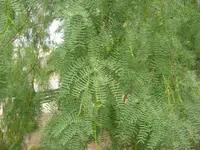
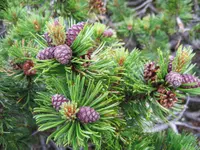
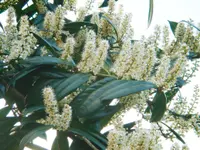
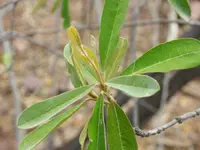
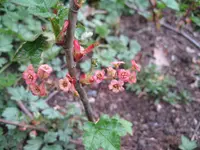
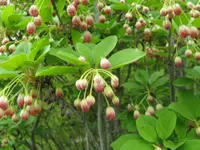
Silk-Fruited Hardleaf, Phylica purpurea, is an evergreen shrub from the fynbos regions of South Africa. It forms a compact, branching habit with dense, narrow leaves and soft, silky flower heads that age to papery seed structures. The foliage often has a silvery or purplish tint that adds texture to mixed plantings.

In cultivation it stays relatively small and needs sharp drainage, lean soil, and good air movement. It prefers bright light and suits mild, frost-free climates, which makes care for Silk-Fruited Hardleaf more demanding outside its native-type conditions.

Main Plant Requirements

Care Difficulty

Hard Care

Light Preference

Full Sun

Water Requirements

Low Water

Temperature Preference

Tropical / Frost Sensitive

Hardiness Zone

10–11

Soil Texture

Sandy, Loamy, Rocky

Soil pH

Acidic (5.5–6.5)

Soil Drainage

Well-drained

Fertilization

Minimal (feed rarely)

Get Personalized Care Plan

Scan your plant to receive care tips personalized for your specific plant

Available on iOS and Android

How to Care for the Silk-Fruited Hardleaf

Phylica purpurea thrives in bright, open sites with plenty of sun but limited harsh afternoon scorch.

  • Provide 6–8 hours of direct sun daily, with morning sun preferred and light afternoon shade in hotter regions to reduce leaf burn risk.
  • Plant in a position with unshaded eastern or southeastern exposure; dappled light after 2–3 pm suits Silk-Fruited Hardleaf in warm, inland climates.
  • Watch stems and foliage: lanky, pale growth signals not enough sun, while crisped, bronzed leaf edges indicate excessive, intense exposure.

This shrub prefers infrequent, deep watering in sharply drained soil that dries between soakings.

  • Allow the top 4–6 cm of soil to dry before watering, then soak the root zone thoroughly and let excess drain away, especially on sandy slopes or raised beds.
  • Reduce watering in cool seasons, increasing only during extended dry, hot periods; established plants in the ground may need water every 10–21 days depending on heat and soil.
  • Monitor for stress: yellowing, soft foliage and a sour smell suggest overwatering and poor drainage, while crisp leaf tips and drooping stems indicate underwatering for Phylica purpurea.

This species favors mild, maritime-type climates with cool summers and frost-free winters.

  • Aim for a growing range of 55–75°F (13–24°C), where steady, moderate temperatures support dense, compact growth and reliable flowering.
  • Protect from frost; brief dips to 28–32°F (-2–0°C) may damage young tips, and harder or repeated freezes can kill entire branches or the plant.
  • In hotter inland areas, plants tolerate up to 90–95°F (32–35°C) if soil drainage is sharp and roots are mulched, but combine high heat with some afternoon shade to limit stress.

This species prefers low to moderate humidity similar to coastal Mediterranean climates.

  • Aim for 30–50% humidity; avoid sustained levels above 60%, which promote root and stem issues.
  • It tolerates typical dry indoor air but suffers in closed, steamy rooms with poor air movement.
  • Humidity stress appears as grey mold on dense foliage and weak, floppy new growth; improve air circulation or use a small fan rather than misting Silk-Fruited Hardleaf.

This shrub requires sharply drained, sandy to gravelly soil that mimics its native, nutrient-poor habitat.

  • Use a mix of 40% coarse sand or fine grit, 40% low-peat potting mix, and 20% perlite to create a loose, fast-draining structure.
  • Keep pH slightly acidic to neutral (pH 6.0–7.0); avoid strongly alkaline mixes that can reduce micronutrient availability.
  • Improve aeration by incorporating coarse materials (grit, perlite, fine bark) and avoiding dense compost or clay-heavy garden soil.
  • Never allow the mix to stay waterlogged; persistent wetness around roots quickly leads to rot in Phylica purpurea.

This species can be grown in containers if given a free-draining setup and exposure to full sun.

  • Choose a tall, narrow container to match its deep, woody root system and reduce rocking in strong winds.
  • Select unglazed terracotta if extra evaporation is needed in wet climates, or a thicker-walled pot in hot, dry areas to limit rapid drying.
  • Raise the pot on feet or blocks so drainage holes never sit directly on a hard surface, allowing water to escape quickly.

This nutrient-sensitive shrub benefits from light feeding but performs poorly in rich, heavy soils, so any fertilization must stay modest.

  • Use a low-dose, balanced NPK fertilizer or very thin layer of mature compost in spring, avoiding high-phosphorus lawn products.
  • Feed only during active growth, about every 6–8 weeks, skipping applications during hot drought stress.
  • Dilute liquid feeds to 1/4–1/2 strength to reduce root burn and maintain the lean conditions preferred when caring for Silk-Fruited Hardleaf.
  • Stop feeding in late summer to early fall so new growth hardens before winter and the plant rests over the cool season.

Light, thoughtful pruning keeps Phylica purpurea compact and encourages dense, ornamental foliage.

  • Best timing is late winter to very early spring, before strong new growth begins.
  • Remove dead, damaged, or crossing stems first, then thin crowded interior shoots to improve light and air movement.
  • Shorten excessively long stems by up to 1/3 to maintain shape, cutting just above a healthy leaf node.
  • Use clean, sharp hand pruners and avoid cutting into old, leafless wood, which may not reshoot.

This shrub dislikes frequent disturbance, so repotting or transplanting should be infrequent and carefully planned.

  • Consider moving the plant only when roots circle the pot, growth stalls, or watering becomes difficult due to root mass.
  • Carry out transplanting in late winter or early spring, before vigorous new growth, at intervals of several years.
  • Shift to a pot or planting hole only 1 size larger, using very free-draining, sandy mix to prevent waterlogging.
  • Handle the root ball gently, keep roots shaded and moist during the move, then water lightly and shelter from harsh sun for 1–2 weeks.

New Phylica purpurea plants are usually produced from semi-hardwood cuttings, though success can be modest and patience is important.

  • Take semi-hardwood cuttings in late summer, 7–10 cm long, from non-flowering shoots.
  • Remove lower leaves, lightly wound the base, and dip in a low- to medium-strength rooting hormone.
  • Insert cuttings into a sharply draining, sandy mix and keep at 65–75°F with bright, indirect light.
  • Maintain high humidity using a vented cover and water sparingly so the medium stays barely moist, not wet.

This shrub prefers mild, frost-free conditions and needs protection in regions with significant winter cold.

  • In-ground plants tolerate only light, brief frost; sustained temperatures below about 25°F can kill top growth or whole plants.
  • Apply a 5–8 cm layer of dry mulch around, but not against, the base to insulate roots in marginal climates.
  • Move containers indoors or into a cool, bright, frost-free space before the first hard freeze, reducing watering in winter.

Care Tips

Use mineral mulch

Apply a thin top layer of fine gravel or coarse sand around the root zone to keep the woody crown dry, reduce fungal risk, and stabilize soil temperature for this fynbos shrub.

Encourage bushy form

Lightly pinch back only the very soft shoot tips in late winter or early spring to promote dense branching, but avoid cutting into old woody stems, which rarely reshoot.

Protect from hard rain

In very wet or stormy spells, move container plants under a clear awning or use a simple plastic rain shield to prevent waterlogging and physical damage to the delicate flowering shoots.

Salt‑free irrigation

If local tap water is hard or saline, alternate with collected rainwater or low‑salinity filtered water to avoid salt buildup that can scorch the fine foliage over time.

Rotate for even light

Turn container plants 90° every 1–2 weeks so all sides receive bright exposure, which maintains an even, compact dome rather than a lopsided, light‑leaning shrub when growing Silk-Fruited Hardleaf.

Common Pests and Diseases

Scale insects

This pest feeds on stems and foliage, sucking sap and causing gradual yellowing, stunting, and branch dieback in stressed plants. Symptoms include small, dome-shaped or flat brown bumps tightly attached to young stems and leaves, often with sticky honeydew on nearby surfaces.

Solution

Physically remove scale with a cotton swab dipped in 70% isopropyl alcohol or by gently brushing affected stems, then rinse the plant thoroughly with water. For heavier infestations on outdoor plants, use a light horticultural oil spray, applied in the cool part of the day, and improve air movement and light so the shrub does not remain chronically weak, which makes caring for Silk-Fruited Hardleaf much easier long term.

Leaf spot

This disease causes small, dark, often irregular lesions on the narrow leaves, which can merge and lead to partial defoliation, especially in humid or overcrowded conditions. Symptoms include patchy browning on older foliage while new tips still appear green.

Solution

Prune out and discard heavily spotted shoots, avoid wetting foliage when watering, and improve spacing and airflow around the plant. If the plant is grown outdoors and spotting continues in warm, wet weather, apply a copper-based fungicide labeled for ornamental shrubs and repeat as directed until new growth appears clean.

Botrytis blight

This disease develops in cool, damp, low-light conditions, causing soft browning of young shoots and flower heads, sometimes covered with gray fuzzy mold. Symptoms include collapsed, water-soaked tips and premature browning of the soft, silky foliage.

Solution

Remove all affected shoots and any fallen plant material, and discard it in the trash rather than composting. Increase light and airflow, avoid overhead watering, and, if conditions stay damp, use a labeled botrytis fungicide on outdoor plants, making sure the foliage dries quickly after each application.

Aphids

These insects cluster on tender shoot tips and undersides of leaves, sucking sap and causing distorted new growth and reduced vigor. This pest also produces sticky honeydew, which can lead to sooty mold on the fine foliage.

Solution

Spray the plant thoroughly with a firm stream of water to dislodge aphids, repeating every few days until numbers drop. For persistent infestations, apply an insecticidal soap or light horticultural oil to all leaf surfaces, including undersides, in the early morning or evening to avoid leaf scorch.

Interesting Facts

Silky fruit structure

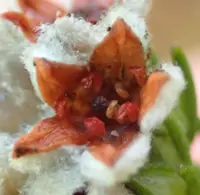
This species forms distinctive silky-haired fruits whose fine hairs help trap moisture and may aid in short-distance dispersal by wind within its native fynbos habitat.

Fynbos shrub specialist

It is naturally restricted to South African coastal fynbos, a nutrient-poor, fire-prone shrubland where it grows as a small, woody shrub adapted to sandy, acidic soils.

Evergreen velvet foliage

The narrow, evergreen leaves are densely covered with fine hairs, giving the foliage a soft, velvety texture that helps reduce water loss under strong sun and wind.

FAQs about Silk-Fruited Hardleaf

This shrub usually flowers from late winter to spring in mild climates, producing small cream to yellow blooms. Flowering is strongest on well-lit, relatively young wood and may be reduced after hard pruning or in very hot summers.

Grow Healthy Plants with Botan Care

Keep your plants happy and healthy with plant identification, disease detection, and easy care guidance.

Botan plant care app — identify plants on mobile

Explore More Plants