


Seed pre-treatment
Lightly scarify the hard seed coat with fine sandpaper and soak seeds in room-temperature water for 4–6 hours before sowing to improve and synchronize germination for growing strigose lotus.

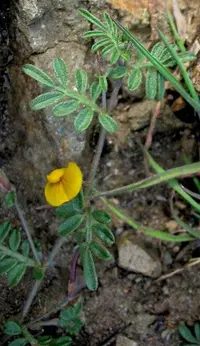
Strigose lotus (Acmispon strigosus) is a small, short-lived legume native to dry, open habitats in western North America. It typically grows low to the ground with fine, hairy stems and small leaflets. In season it produces delicate yellow to orange pea-like flowers that attract native pollinators. This species is adapted to poor, sandy or gravelly soils and seasonal drought, which can make it relatively undemanding in low-water gardens. It suits naturalistic, wildflower, or restoration plantings rather than formal borders. Gardeners who learn how to care for strigose lotus should focus on providing strong light, fast-draining soil, and avoiding overwatering.

Care Difficulty
Easy Care

Light Preference
Full Sun

Water Requirements
Low Water

Temperature Preference
Warm Climate

Hardiness Zone
7–10

Soil Texture
Sandy, Loamy, Rocky

Soil pH
Slightly acidic (6.5–7.0), Neutral (7.0)

Soil Drainage
Well-drained

Fertilization
Minimal (feed rarely)
Scan your plant to receive care tips personalized for your specific plant
Available on iOS and Android
This dryland legume needs strong light to stay compact and flower well.
Acmispon strigosus prefers dry, fast-draining conditions and is sensitive to excess moisture.
This species is adapted to warm, dry climates but has some cool-season tolerance.
This species is adapted to dry climates and does not require elevated humidity.
This dryland legume prefers lean, well-drained, sandy to gravelly soil with ample air around the roots.
This species can be grown in containers when excellent drainage and a shallow, wide rooting area are provided.
This dryland native needs minimal feeding and often thrives in poor soil without supplemental fertilizer.
Pruning needs for Acmispon strigosus are low and mainly focused on maintaining health and a tidy shape.
Transplanting is more relevant than repotting for this native, which is usually grown in the ground or temporary nursery pots.
Propagation of Acmispon strigosus is most reliable from seed under bright, dry-adapted conditions.
In its native range, this species is generally cold tolerant and needs little structured winter care outdoors.

Plant Health Check
Not sure what's wrong with your plant? Check your plant's health inside the app.
This species has a dense covering of stiff, appressed hairs (strigose pubescence) on stems and leaves, which helps reduce water loss and offers some protection from intense sun in its often dry habitats.
It behaves as a small, short-lived annual in many parts of its range, completing its life cycle quickly after winter or spring rains in arid and semi-arid regions of the western United States.
As a member of the legume family, it forms root nodules with symbiotic bacteria that fix atmospheric nitrogen, enriching poor soils and supporting nearby plant communities in open, sandy or disturbed sites.
This species forms low, open patches rather than dense, smothering mats. It reseeds where conditions suit it, but is generally not aggressive. Light, periodic weeding around young plants usually keeps its spread in check.
Keep your plants happy and healthy with plant identification, disease detection, and easy care guidance.

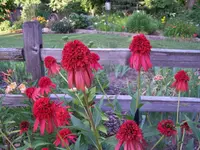
Coneflower
Echinacea 'Hot Papaya'
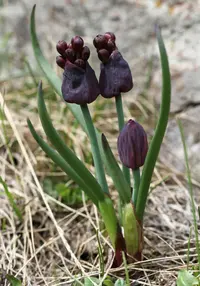
Allium atrosanguineum
Allium atrosanguineum
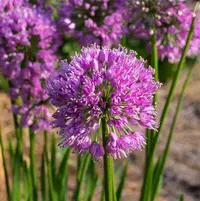
Ornamental Onion
Allium 'Millenium'
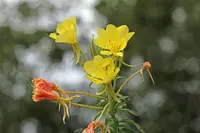
trumpet evening primrose
Oenothera jamesii
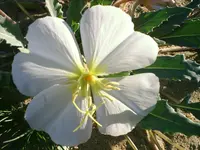
birdcage evening primrose
Oenothera deltoides
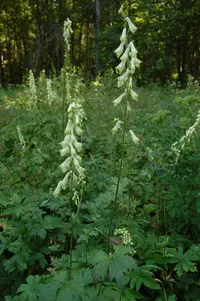
Aconitum lasiostomum
Aconitum lasiostomum
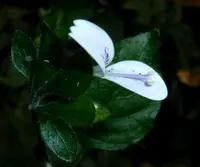
Hypoestes triflora
Hypoestes triflora
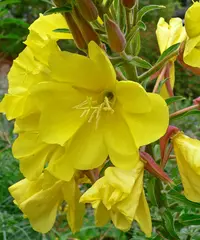
Hooker's evening primrose
Oenothera elata