


Encourage Basal Growth
Pinch back the first flush of tall flowering stems early in the season to encourage a denser base of shoots that will flower more evenly and resist lodging in wind and rain.

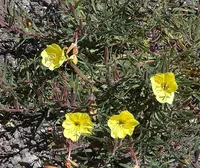
Longflower evening primrose, Oenothera affinis, is a herbaceous perennial known for its slender stems and elongated, pale yellow flowers that open mainly in the evening. It typically forms loose clumps and brings a light, airy look to mixed borders or naturalistic plantings.
This species occurs naturally in parts of South America, often in open, sunny habitats with well-drained soils. It is generally considered undemanding, provided it receives good light and is not kept in waterlogged conditions.
Gardeners who want to know how to care for longflower evening primrose should note its tolerance of poor soils and moderate drought, which makes it suitable for low-maintenance plantings in many temperate climates.

Care Difficulty
Easy Care

Light Preference
Full Sun

Water Requirements
Moderate Water

Temperature Preference
Warm Climate

Hardiness Zone
8–10

Soil Texture
Sandy, Loamy, Rocky

Soil pH
Slightly acidic (6.5–7.0), Neutral (7.0)

Soil Drainage
Well-drained

Fertilization
Minimal (feed rarely)
Scan your plant to receive care tips personalized for your specific plant
Available on iOS and Android
This sun-loving perennial thrives in open, bright positions with stable light levels.
This species prefers moderately dry conditions and is more tolerant of drought than excess moisture.
This hardy perennial copes with a wide temperature range but performs best in mild, stable conditions.
This species tolerates a wide humidity range and usually does not need special humidity management indoors or outdoors.
Oenothera affinis prefers lean, well-drained soil that mimics open, sandy habitats.
This species can be grown successfully in containers if drainage and soil leaness are carefully managed.
This species grows well in lean soil, so longflower evening primrose needs only light, targeted feeding in containers or very poor ground.
Oenothera affinis benefits from simple, seasonal pruning to maintain flowering performance and a tidy shape.
This species is usually grown in the ground, so focus on careful transplanting rather than frequent repotting.
This plant is commonly propagated by seed and by division of established clumps.
In most temperate regions this species is cold hardy and needs minimal winter care once established.

Plant Health Check
Not sure what's wrong with your plant? Check your plant's health inside the app.
This species is native to highland regions of the southern Andes in South America, where it grows in open, often windy habitats with well-drained soils and marked day–night temperature swings.
Like many evening primroses, it opens its pale yellow flowers toward dusk and into the night, timing its blooming to match the activity of nocturnal pollinators such as moths.
In favorable cool-summer climates it can flower over a long season, producing repeated flushes of blooms rather than a single short flowering period.
This species performs best outdoors in well-drained soil and open exposure, where light and airflow are stronger. Longflower evening primrose indoor care is possible only in very bright, cool conditions and large containers, but flowering is usually reduced.
Keep your plants happy and healthy with plant identification, disease detection, and easy care guidance.

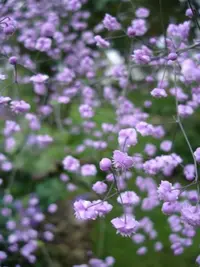
hinese meadow rue
Thalictrum delavayi
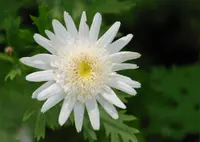
Marguerite daisy
Argyranthemum frutescens
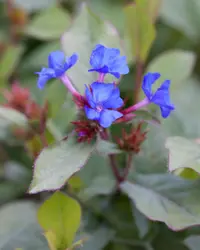
Hardy plumbago
Ceratostigma plumbaginoides
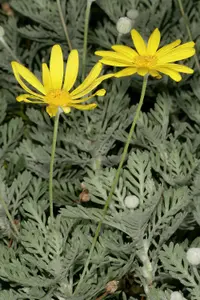
Grey-leaved euryops
Euryops pectinatus
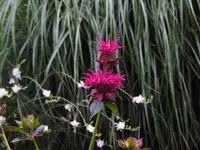
Bee Balm
Monarda didyma 'Raspberry Wine'
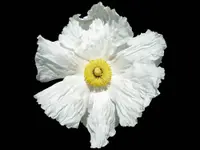
Coulter's Matilija poppy
Romneya coulteri
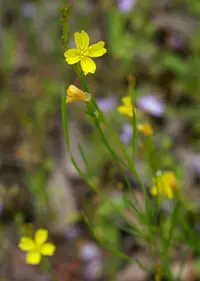
threadleaf evening primrose
Oenothera linifolia
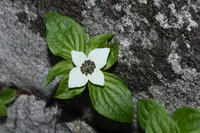
western cordilleran bunchberry
Cornus unalaschkensis