Low wind placement
Site plants in a spot sheltered from persistent strong wind so the relatively brittle flowering stems do not snap and the foliage stays cleaner and less stressed.

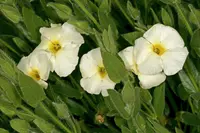
Natal primrose, Thunbergia atriplicifolia, is a compact, soft-stemmed perennial from southern Africa. It typically forms low, bushy clumps with many slender, branching shoots.
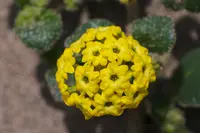
Leaves are small, grey-green, and slightly hairy, giving the plant a muted, silvery look. The flowers are tubular with flared petals, usually pale yellow to cream, and appear in generous flushes.
This species naturally occurs in open grasslands and rocky slopes, where conditions are sunny, well-drained, and often seasonally dry. It is generally considered manageable for home gardeners, as long as overwatering is avoided and light is sufficient.
Those learning how to care for Natal primrose should note its preference for bright light, moderate but regular moisture, and a loose, well-draining soil mix.

Care Difficulty
Moderate Care

Light Preference
Partial Sun

Water Requirements
Moderate Water

Temperature Preference
Warm Climate

Hardiness Zone
Unknown

Soil Texture
Sandy, Loamy, Organic-rich

Soil pH
Acidic (5.5–6.5), Slightly acidic (6.5–7.0)

Soil Drainage
Well-drained

Fertilization
Minimal (feed rarely)
Scan your plant to receive care tips personalized for your specific plant
Available on iOS and Android
This species grows best with bright, gentle sun and some protection from intense midday exposure.
This plant prefers evenly moist, well-drained soil that does not stay saturated for long periods.
Stable mild warmth supports healthy growth and flowering for this species.
This species handles typical indoor humidity but grows best with moderate moisture in the air.
Thunbergia atriplicifolia prefers a loose, well-aerated mix that drains quickly yet holds some consistent moisture.
This species is suitable for container growing when the pot supports its spreading and vining habit.
This small shrub benefits from light, balanced feeding during its active growth period.
Thunbergia atriplicifolia responds well to light, targeted pruning to maintain a compact, floriferous shape.
This species is usually grown in the ground but can be transplanted or shifted in containers when growth becomes constrained.
Thunbergia atriplicifolia is commonly propagated by semi-ripe stem cuttings and seeds under warm, stable conditions.
This plant prefers mild, frost-free winters and benefits from simple protection measures in colder regions.

Plant Health Check
Not sure what's wrong with your plant? Check your plant's health inside the app.
This species is naturally found in the grasslands and open bushveld of eastern South Africa, especially in KwaZulu-Natal and neighboring regions, where it grows among grasses rather than as a forest plant.
Unlike many Thunbergia species that climb, this plant typically forms low, somewhat sprawling or subshrubby clumps, with stems that spread close to the ground and do not develop long twining vines.
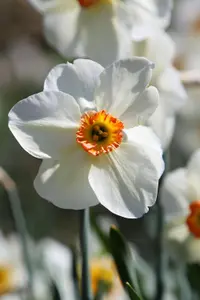
It produces pale, tubular, 5-lobed flowers with a narrow corolla tube that suits small bees and similar pollinators, a contrast to the larger, more vividly colored blooms seen in better-known ornamental Thunbergia relatives.
Yes, this species is attractive to small bees and various pollinating insects that visit its tubular white flowers for nectar. Providing several plants together increases floral display and makes the area more appealing to pollinators in the garden.
Keep your plants happy and healthy with plant identification, disease detection, and easy care guidance.