Arabis planisiliqua Care

Arabis planisiliqua

About Arabis planisiliqua

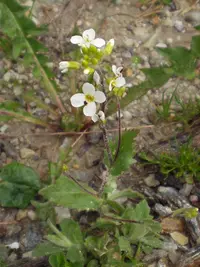
Arabis planisiliqua is a small, cold-hardy perennial from rocky, open habitats in parts of Europe and the Mediterranean region. It belongs to the mustard family and forms low mats or loose clumps of foliage.

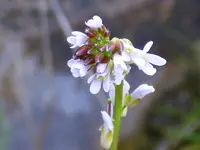
Plants usually carry simple, narrow leaves and upright stems topped with small white flowers, giving a delicate, airy look in spring. After flowering, it develops flat, slender seed pods that are characteristic for this species.

This species prefers sunny, well-drained sites and tolerates poor, stony soils, which makes it suitable for rock gardens and dry slopes. These traits generally make it low maintenance once established, and understanding this natural habitat helps guide how to care for Arabis planisiliqua.

Main Plant Requirements

Care Difficulty

Moderate Care

Light Preference

Full Sun

Water Requirements

Moderate Water

Temperature Preference

Cold Hardy

Hardiness Zone

5–8

Soil Texture

Sandy, Loamy, Rocky

Soil pH

Slightly acidic (6.5–7.0), Neutral (7.0)

Soil Drainage

Well-drained

Fertilization

Minimal (feed rarely)

Get Personalized Care Plan

Scan your plant to receive care tips personalized for your specific plant

Available on iOS and Android

How to Care for the Arabis planisiliqua

This alpine perennial prefers bright, cool conditions with steady light across the day.

  • Provide 4–6 hours of direct morning sun with light afternoon shade; in hotter regions, avoid strong sun after 1–2 p.m. to prevent leaf scorch.
  • Tolerates light partial shade, but flowering of Arabis planisiliqua decreases if it receives less than 3–4 hours of direct sun during spring.
  • In winter, full sun is usually safe; in summer, especially in zones with very intense sun, use nearby plants, stones, or fencing to create filtered afternoon light.

This rock garden plant prefers slightly dry, well-drained soil rather than constant moisture.

  • Water only when the top 2–3 cm of soil feel dry, using a deep soak that drains through rather than frequent light splashes.
  • In spring and early summer, increase watering slightly during active growth; in late summer and winter, reduce frequency so the soil dries more between waterings.
  • Watch for yellowing, soft leaves as a sign of overwatering and very limp, dull foliage with dry, crumbly soil as an underwatering indicator; always pair watering with sharp drainage.

This species is a cool- to temperate-climate perennial with strong cold tolerance when grown in the ground.

  • Optimal growth occurs around 50–70°F (10–21°C), especially in spring and early summer when days are bright but not hot.
  • Mature plants usually tolerate down to about 10–15°F (-12 to -9°C) with good drainage; in colder areas, mulch lightly to buffer freeze–thaw cycles.
  • Heat above 80–85°F (27–29°C) can reduce flowering and stress the plant, so provide afternoon shade and ensure soil does not stay hot and wet at the same time.

This species prefers relatively dry air and does not have demanding humidity needs.

  • Target 30–50% humidity, similar to typical outdoor conditions in temperate climates.
  • Dry indoor air is usually tolerated; humidity stress appears as crisp leaf edges and stalled growth rather than wilting.
  • If air is extremely dry, place pots away from direct heating vents and use a pebble tray to slightly raise local humidity.

Arabis planisiliqua thrives in light, well-drained mineral soils that do not stay wet.

  • Use a gritty mix such as 50–60% sandy or loamy garden soil with 20–30% coarse sand and 10–20% fine gravel or perlite for drainage.
  • Aim for slightly alkaline to neutral pH, roughly 7.0–7.5, avoiding strongly acidic substrates that reduce vigor.
  • Improve aeration by blending in mineral aggregates rather than peat-heavy products, which retain excessive moisture around the roots.
  • Avoid compacted clay, waterlogged beds, or rich, constantly damp mixes that promote root rot and weak, lush foliage.

This species is suitable for container growing, especially in shallow, free-draining pots.

  • Choose a wide, shallow container to match its spreading habit and prevent wasted depth that traps moisture around roots.
  • Select a gritty, fast-draining mix in a pot with large drainage holes so rain or irrigation water exits within minutes.
  • Use heavier materials like ceramic or stone in windy sites to keep low, spreading plants stable and prevent tipping.

This low-growing perennial from dry, rocky habitats needs only modest feeding in typical garden soil.

  • Apply a light dressing of compost or well-rotted manure around clumps once in early spring for steady nutrition.
  • In lean, sandy soils, use a balanced, slow-release fertilizer (around 10-10-10) at half strength as growth begins.
  • Avoid high-nitrogen products, which promote soft, leafy growth and can reduce flowering in Arabis planisiliqua.
  • Do not feed in late fall or winter, when growth slows and nutrients are less effectively used.

Light, well-timed pruning helps maintain compact, floriferous mats.

  • After flowering in late spring, shear back spent flower stems by one-third to shape plants and encourage dense new growth.
  • Remove dead, damaged, or winter-burned shoots with clean hand pruners whenever noticed to limit disease entry points.
  • Thin out crowded, older stems at the base to improve air movement through the mat and reduce fungal problems.
  • Avoid cutting into very old, woody centers; focus on trimming younger outer growth to maintain an attractive outline for Arabis planisiliqua.

This rock-garden perennial is usually transplanted in the ground rather than maintained long term in containers.

  • Transplant in early spring or early fall so roots can establish in cool, moist conditions before heat or hard frost.
  • Lift and move plants when growth becomes sparse in the center or when clumps outgrow their space in the bed.
  • If container-grown, shift to a slightly larger pot when roots circle the drainage holes or growth stalls despite correct care.
  • Minimize root stress by watering the plant well before moving, handling the root ball gently, and watering in thoroughly after transplanting Arabis planisiliqua.

Gardeners commonly renew and spread this species by seed, division, or short stem cuttings.

  • Sow fresh seeds in late summer or early fall in a gritty, well-drained mix; keep lightly moist and cool for even germination.
  • Divide mature clumps in early spring, replanting vigorous outer sections at the same depth in free-draining soil.
  • Take non-flowering shoot cuttings in late spring, use a rooting hormone if available, and root in a moist, sandy substrate.
  • Provide bright, indirect light and moderate moisture for young plants, avoiding waterlogging that can rot tender new roots of Arabis planisiliqua.

This species is generally cold hardy in temperate climates and usually needs only minimal winter attention.

  • In regions with severe freezes, apply a thin mulch of gravel or gritty compost around, not on top of, the crowns.
  • Ensure soil drains freely over winter; standing water around roots increases the risk of crown rot.
  • Move container-grown plants to a sheltered, unheated spot such as a cold frame to reduce freeze–thaw stress on roots in Arabis planisiliqua.

Care Tips

Encourage Compact Growth

Lightly shear back spent flower stems immediately after blooming to keep plants dense, prevent legginess, and stimulate a second flush of tighter foliage.

Edge Retention Management

Install a low physical barrier or edging strip at bed margins if the plant starts to sprawl, then trim any cascading shoots that root beyond the desired area to stop unwanted spread into paths or lawns.

Improve Winter Drainage

In regions with wet winters, slightly raise planting areas or use small gravel in the top 2–3 cm of soil to keep the crown drier and reduce the risk of crown and root rot.

Rock Crevice Placement

When planting in rock gardens, tuck plants into shallow crevices with free-draining substrate so roots stay cool and anchored while foliage spills decoratively over stones, which is ideal for growing Arabis planisiliqua.

Targeted Pest Checks

Inspect tight foliage mats and stem bases every few weeks in spring for aphids or caterpillars and wash off early infestations with a firm water jet before they distort new growth.

Common Pests and Diseases

Downy mildew

This disease causes yellow or pale patches on the upper leaf surface with grey-white, felt-like growth on the underside, especially in cool, damp weather.

Solution

Remove and dispose of affected leaves, avoid overhead watering, and improve air circulation around plants; in persistent cases, apply a copper- or phosphonate-based fungicide labeled for brassica ornamentals, following label directions closely.

Clubroot

This disease leads to swollen, distorted roots, stunted growth, and wilting in warm weather even when soil is moist, and is favored by acidic, wet soils.

Solution

Uproot and destroy infected plants, avoid moving contaminated soil, raise soil pH to around 7.0 with garden lime, and rotate away from all Brassicaceae in that bed for several years to reduce inoculum levels.

Cabbage flea beetle

These insects cause many small round holes in leaves that give a shot-hole appearance, and damage is most noticeable on young foliage in spring.

Solution

Use fine mesh or horticultural fleece as a physical barrier early in the season, keep plants well watered to outgrow damage, and if needed apply a spinosad- or pyrethrin-based product in the evening, targeting foliage where beetles feed to support growing Arabis planisiliqua in exposed sites.

Cabbage aphid

This pest forms dense greyish-white colonies on stems and flower buds, often covered with a waxy coating, leading to distorted new growth and sticky honeydew.

Solution

Squash small colonies by hand or rinse them off with a firm stream of water, encourage natural predators such as lady beetles, and if infestations are heavy use an insecticidal soap or horticultural oil, repeating applications as new aphids appear.

White rust

This disease produces pale yellow spots on upper leaf surfaces and raised white pustules on the undersides, which can lead to premature leaf drop and reduced flowering.

Solution

Promptly remove and bin infected leaves, avoid overhead irrigation, provide good spacing for airflow, and in recurring cases rotate plantings and use a systemic fungicide appropriate for rust diseases on ornamental brassicas.

Interesting Facts

Mediterranean limestone specialist

This species is naturally associated with dry, rocky limestone slopes and cliffs around the western and central Mediterranean, where it anchors in shallow, alkaline soils that many plants cannot tolerate.

Flattened seed pods

It produces notably flattened siliques (a type of pod typical of the mustard family), which lie close to the stem and are an important diagnostic feature that helps distinguish it from closely related Arabis species.

Early-season nectar source

In its native range it flowers in early spring and can act as an important nectar and pollen source for early-flying bees and other pollinating insects when few other plants are in bloom.

FAQs about Arabis planisiliqua

This species forms low, spreading mats but is not usually aggressive. It can self-seed modestly in open soil. Light trimming after flowering and removing unwanted seedlings help keep clumps within their space when growing Arabis planisiliqua.

Grow Healthy Plants with Botan Care

Keep your plants happy and healthy with plant identification, disease detection, and easy care guidance.

Botan plant care app — identify plants on mobile

Explore More Plants