Little River Canyon onion Care (Allium speculae)

Little River Canyon onion

About Little River Canyon onion

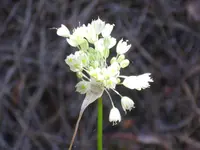
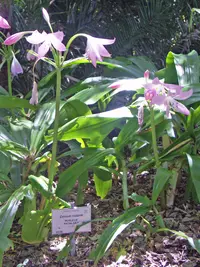
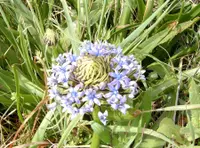
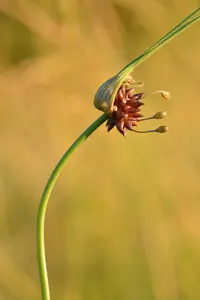
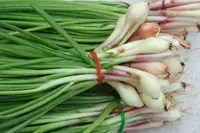
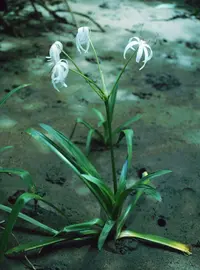
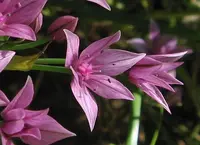
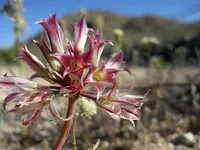
Little River Canyon onion (Allium speculae) is a small, bulb-forming perennial wildflower in the amaryllis family. It forms loose clumps of narrow, grass-like leaves and delicate pink to lavender flower clusters on slender stems.

This species is native to sandstone cliff edges and rocky ledges in the Little River Canyon area of Alabama and nearby regions, where it grows in thin, fast-draining soils. It is slow-growing and somewhat specialized, which can make it more challenging to establish outside its natural range.

Gardeners who care for Little River Canyon onion should provide bright light, good drainage, and moderate moisture to mimic its natural habitat conditions.

Main Plant Requirements

Care Difficulty

Moderate Care

Light Preference

Full Sun

Water Requirements

Moderate Water

Temperature Preference

Cold Hardy

Hardiness Zone

6–8

Soil Texture

Sandy, Loamy, Rocky

Soil pH

Slightly acidic (6.5–7.0), Neutral (7.0)

Soil Drainage

Well-drained

Fertilization

Minimal (feed rarely)

Get Personalized Care Plan

Scan your plant to receive care tips personalized for your specific plant

Available on iOS and Android

How to Care for the Little River Canyon onion

This southeastern US native onion prefers bright, open conditions that mimic rocky glades and cliff edges.

  • Provide 6–8 hours of direct sun daily; morning and midday sun are ideal, with light afternoon shade in very hot regions.
  • Tolerates light partial shade for 2–3 hours, but flowering and clump density decline if shaded for longer periods.
  • In sites with intense summer sun, protect Little River Canyon onion from reflected heat off rock or pavement to prevent leaf scorch.

This bulbous species prefers alternating moist and dry periods rather than constantly wet soil.

  • Allow the top 3–5 cm of soil to dry before watering during active growth; soil should feel dry to the touch but not powdery.
  • Use sharply drained, gritty or sandy soil so excess water exits within seconds; standing water around bulbs leads to soft, collapsing tissues and rot.
  • Reduce watering strongly after foliage yellows and dies back; Allium speculae prefers its dormant period on the dry side, with only occasional light moisture in prolonged drought.

This species is adapted to warm summers and cool to cold winters in its native range.

  • Active growth and flowering occur best around 65–80°F (18–27°C); plants remain compact and sturdy in this range.
  • Dormant bulbs tolerate winter lows down to about 0–5°F (-18 to -15°C) if soil drains well and does not stay saturated.
  • In summer, plants handle brief heat up to 90–95°F (32–35°C), but prolonged higher temperatures combined with wet soil increase rot risk, so ensure excellent drainage.

This species is adapted to dry, rocky habitats and does not need elevated humidity indoors or outdoors.

  • Target 30–50% humidity, similar to most heated or air-conditioned homes, for reliable growth of Little River Canyon onion.
  • Plants tolerate drier air well if soil moisture is managed carefully and roots do not stay wet.
  • Humidity stress appears more as bulb or root rot in overly damp, stagnant air rather than from low humidity itself.

Allium speculae prefers sharply drained, mineral-based soil that mimics rocky cliff ledges.

  • Use a gritty mix such as 50–60% coarse sand or small gravel with 40–50% loam or sandy topsoil, plus only a light compost component.
  • Ensure water drains through in seconds; standing water or heavy, compacted clay quickly leads to bulb rot.
  • Aim for slightly alkaline to neutral pH around 6.8–7.5, often achieved with limestone-based gravel or chips in the mix.
  • Improve aeration by avoiding fine peat-heavy mixes and using coarse mineral particles that keep distinct air spaces between grains.

This species can be grown in containers if drainage is managed very precisely.

  • Choose a deep, heavy pot that resists tipping and allows the bulbs to sit at least 5–8 cm below the rim in a gritty medium.
  • Use a potting mix that sheds water instantly, then place the container on pot feet so water never pools under the base.
  • Select unglazed clay or terracotta to speed evaporation in wet climates, preventing the bulb zone from remaining saturated after rain.

Allium speculae, known as Little River Canyon onion, needs only light feeding in typical garden soils.

  • Use a balanced, low-strength liquid fertilizer (around 10-10-10) at 1/2 dilution during active spring growth if soil is poor.
  • Apply at most once every 4–6 weeks in the growing season; skip feeding in fertile, organic-rich beds.
  • Avoid fertilizing during summer dormancy and winter, as inactive bulbs cannot use added nutrients.
  • Do not apply fertilizer directly on bulbs; water first, then feed to limit root and bulb burn.

Allium speculae needs minimal pruning, focused on hygiene rather than shaping.

  • In late spring or early summer, clip spent flower stalks at the base with clean scissors or hand pruners.
  • Remove yellowed, dead, or damaged leaves to reduce disease pressure and keep the clump tidy.
  • Leave green foliage intact until it withers naturally so bulbs can store energy for next season’s bloom.
  • Disinfect cutting tools before and after use to limit fungal or bacterial spread between plants.

This species is typically grown in the ground, so management centers on careful transplanting of bulbs rather than frequent repotting.

  • Transplant when clumps become crowded, flowering declines, or bulbs appear congested in a small area, usually every 3–5 years.
  • Lift and divide bulbs in late summer to early fall, when foliage has fully died back and bulbs are dormant.
  • Use a fork or trowel to loosen soil gently, keeping root plates intact and avoiding cuts or bruising.
  • Replant bulbs at the original depth in well-drained soil, water lightly once, then allow them to reestablish without frequent disturbance.

Allium speculae is most commonly propagated by division of bulbs, with seed used mainly for conservation or larger projects.

  • Divide mature clumps in late summer or early fall, lifting dormant bulbs and separating offsets by hand.
  • Select firm, healthy bulbs and discard any that feel soft or show mold, then replant promptly into well-drained soil.
  • Space divisions 8–15 cm apart and water once to settle soil, then keep only lightly moist until growth resumes.
  • For seed, sow fresh in fall in a cold frame or outdoor pot, allowing natural winter chilling to trigger spring germination.

Allium speculae is generally cold hardy in its native range and needs little active winter care once established in the ground.

  • In colder zones or exposed sites, apply a light 2–5 cm mulch of leaves or pine needles after the soil cools to buffer freeze–thaw cycles.
  • Ensure planting sites have sharp drainage so dormant bulbs do not rot in saturated winter soil.
  • For container-grown plants, move pots to a cold, sheltered spot with minimal winter watering to keep the medium just barely dry.

Care Tips

Mark Dormant Clumps

Place discreet markers where bulbs are growing before foliage dies back so you avoid disturbing or slicing them when cultivating or planting other species later in the season.

Use Gritty Topdress

After planting, add a 1–2 cm layer of coarse grit or small gravel over the bulb zone to improve surface drainage, reduce soil splash on leaves, and help locate the colony edge.

Plan Companion Groundcover

Pair with shallow‑rooted native groundcovers that emerge later, allowing spring light to reach the foliage while providing light shade and soil cooling once the onions go dormant.

Control Seed Spread

If maintaining a defined colony is important, remove spent flower heads as they fade so seed does not roll downslope or into pathways, while still leaving enough plants to naturalize where desired.

Monitor Rock Crevices

For plants established in rock walls or limestone crevices, inspect yearly for accumulating leaf litter or moss and gently clear it so crowns remain exposed and do not rot in trapped moisture, which is key when growing Little River Canyon onion in confined pockets.

Common Pests and Diseases

Onion thrips

These insects rasp the leaf surface and suck sap, leading to silvery streaks, fine speckling, and gradual leaf yellowing or collapse in dry, exposed sites.

Solution

Reduce nearby grassy weeds that host thrips, then use a strong water spray to dislodge insects and apply an insecticidal soap or spinosad product, coating leaf bases where they hide. Avoid overhead irrigation in the evening to limit prolonged leaf wetness, which can stress plants and make them more susceptible.

Onion maggot

This pest is the larval stage of a fly that feeds on underground bulbs and roots, causing stunting, yellowing, and eventual death of affected clumps, especially in heavier, cool soils.

Solution

Remove and discard infested bulbs and surrounding soil, and avoid replanting alliums in the same spot for several years. Use fine mesh row covers during the local fly egg‑laying period and maintain well‑drained, sandy or gravelly soil to discourage egg laying and larval survival.

Botrytis leaf blight

This disease causes small water‑soaked spots on leaves that expand into pale tan lesions, often with a slightly sunken center and, in humid weather, a faint gray mold on dead tissue.

Solution

Improve air circulation by spacing plants well and removing surrounding dense vegetation, and avoid frequent overhead watering that keeps foliage wet. Prune out and dispose of infected leaves promptly and, in sites with repeated issues, consider a labeled fungicide for alliums applied preventively during extended wet periods.

Basal bulb rot

This disease starts at the basal plate of the bulb, leading to soft, discolored tissue, poor emergence, and sudden collapse of foliage, especially in poorly drained or compacted soil.

Solution

Lift and discard affected bulbs, then improve drainage by amending soil with grit or sand and avoiding low‑lying or waterlogged sites. Replant only healthy, firm bulbs and rotate out of that location for several years to reduce pathogen buildup, which is a core part of Allium speculae care in garden settings.

Interesting Facts

Canyon-endemic onion

This species is naturally restricted to sandstone cliffs and ledges along the Little River Canyon system in Alabama and Georgia, making it a narrow regional endemic with a very small native range.

Cliff-face specialist

Plants often grow from thin soil pockets in rock crevices, where their bulbs anchor into fractures and exploit brief pulses of moisture that collect on steep, exposed rock faces.

Spring-blooming umbels

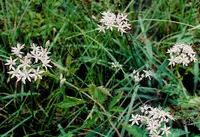
It produces loose heads of pale pink to whitish star-shaped flowers in spring, with each umbel held on a slender stalk that rises well above the narrow, grasslike leaves.

Botan icon

Did you know?

Little River Canyon onion is considered of conservation concern because most known populations are confined to a single canyon system, where they are vulnerable to habitat disturbance and changes in hydrology on the sandstone cliffs they occupy.

FAQs about Little River Canyon onion

This species is highly attractive to native bees and small pollinating insects when in bloom. Its nectar-rich, open flowers provide an accessible food source, so it works well in pollinator-friendly rock gardens and naturalistic plantings.

Grow Healthy Plants with Botan Care

Keep your plants happy and healthy with plant identification, disease detection, and easy care guidance.

Botan plant care app — identify plants on mobile

Explore More Plants