Joseph's-coat Care (Amaranthus tricolor)

Joseph's-coat

About Joseph's-coat

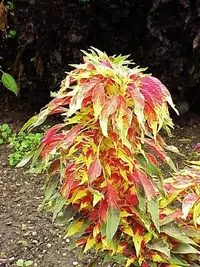
Amaranthus tricolor, often called Joseph’s coat or Chinese spinach, is a fast-growing annual valued for its vivid red, yellow, and green foliage. It forms upright stems with broad, often patterned leaves and can reach a medium height in a single season.

This species is native to tropical Asia but is now widely grown in warm gardens and vegetable plots around the world. It is generally considered easy to grow, as it tolerates heat, summer humidity, and a range of garden soils if drainage is good.

Good light, moderate moisture, and reasonably fertile soil support colorful growth and healthy plants. Understanding how to care for Amaranthus tricolor helps maintain compact plants with strong color and steady growth.

Main Plant Requirements

Care Difficulty

Moderate Care

Light Preference

Full Sun

Water Requirements

Regular Water

Temperature Preference

Tropical / Frost Sensitive

Hardiness Zone

2–11

Soil Texture

Sandy, Loamy, Organic-rich

Soil pH

Acidic (5.5–6.5), Slightly acidic (6.5–7.0)

Soil Drainage

Moist but well-drained

Fertilization

Moderate (every 2–4 weeks)

Get Personalized Care Plan

Scan your plant to receive care tips personalized for your specific plant

Available on iOS and Android

How to Care for the Joseph's-coat

This warm-season annual needs strong light to develop intense leaf color and sturdy growth.

  • Provide 6–8 hours of direct sun daily; in hot climates, give morning sun with light afternoon shade to reduce leaf scorch.
  • Plants tolerate light partial shade (around 3–4 hours direct sun) but foliage of Amaranthus tricolor may become greener and less vivid.
  • In summer, monitor for bleaching or crispy edges from intense midday sun; in cooler seasons, choose the brightest, most open planting site.

Consistent, moderate moisture supports fast growth and prevents stress in this annual.

  • Water when the top 2–3 cm of soil feel dry, allowing moisture to penetrate 15–20 cm deep while avoiding soggy conditions.
  • Use well-drained soil or beds; yellowing, limp leaves and a sour soil smell indicate overwatering or poor drainage issues.
  • In hot, dry weather, expect more frequent watering, while in cooler or rainy periods, extend intervals and rely on touch rather than a fixed schedule.

This species grows best in warm, frost-free conditions typical of summer vegetable gardens.

  • Aim for 70–85°F (21–29°C) for vigorous growth; germination and early development slow noticeably below 65°F (18°C).
  • Treat it as frost-tender; damage occurs near 32°F (0°C), and plants should be started or transplanted only after nights stay above 50°F (10°C).
  • Mature plants tolerate brief heat up to about 95°F (35°C) if soil moisture is maintained, but prolonged extreme heat can stunt growth and dull leaf color.

This species grows well in average home humidity but benefits from slightly moist air in heated or very dry rooms.

  • Aim for 40–60% relative humidity; it usually tolerates short spells down to 30% without major issues.
  • Leaf edges crisping, rolling, or dull color with otherwise adequate watering can indicate humidity stress for Amaranthus tricolor.
  • Increase humidity by grouping plants, placing trays with water and pebbles nearby, or running a small humidifier during very dry periods.

This plant prefers loose, well‑drained, moderately fertile soil that stays evenly moist but not waterlogged.

  • Use a loamy mix based on garden soil or all‑purpose potting soil blended with 20–30% compost for nutrients and organic matter.
  • Improve drainage and aeration by adding 20–30% coarse sand or perlite so water moves through the root zone quickly.
  • Target a slightly acidic to neutral pH around 6.0–7.0, which supports nutrient uptake and steady vegetative growth.
  • Avoid compacted clay, poorly drained spots, or mixes that stay soggy, as these promote root rot and stunted stems in Amaranthus tricolor.

This species is well suited to container growing outdoors during the warm season.

  • Choose a pot at least 25–30 cm deep to support the taproot and prevent the plant from becoming shallow‑rooted and drought‑sensitive.
  • Use a heavier or wider container in windy sites so the tall, leafy stems do not tip the pot over.
  • Select a pot material with moderate moisture retention, such as glazed ceramic or thick plastic, to reduce rapid drying in hot weather.

Colorful foliage responds well to moderate feeding during the warm growing season.

  • Use a balanced liquid fertilizer (around 10-10-10) at 1/2 strength every 2–3 weeks while plants grow actively.
  • Alternatively, apply a thin layer of mature compost around the base once at planting and mid-season.
  • In containers, a slow-release granular fertilizer mixed into the potting mix supports steady growth.
  • Stop feeding Amaranthus tricolor in late fall and avoid fertilizing in winter or during any growth pause.

Light pruning helps maintain bushy, colorful growth and prolongs ornamental value.

  • Pinch soft shoot tips in late spring and early summer to encourage branching and fuller plants.
  • Remove dead, damaged, or pest-infested stems promptly with clean, sharp scissors or hand pruners.
  • Thin crowded stems to improve airflow, which reduces foliar disease and keeps foliage more vibrant.
  • Toward season’s end, cut plants back before seed drop if self-sowing is not desired.

This fast-growing annual is usually transplanted outdoors rather than long-term potted and repotted.

  • Start seedlings in small cells, then transplant outdoors after frost when roots lightly fill the plug but are not circling.
  • Move plants on a cool, cloudy day or in late afternoon to reduce transplant shock and water stress.
  • Space transplants 20–30 cm apart in loose, well-drained soil to support rapid root expansion.
  • Water thoroughly after transplanting and keep soil evenly moist for 7–10 days while roots establish.

New plants are most commonly raised from seed, making propagation straightforward for home growers.

  • Sow seeds indoors 4–6 weeks before the last frost or directly outdoors once soil is warm.
  • Press seeds lightly into the surface; they need light to germinate and prefer 70–75°F conditions.
  • Keep the seed mix evenly moist, not waterlogged, until germination in 7–14 days.
  • To grow Amaranthus tricolor true to type, collect seeds from healthy, mature plants at season’s end.

This tender annual does not survive freezing conditions and typically completes its life cycle before winter.

  • Expect plants to die after hard frost; no overwintering is needed in most climates.
  • In cooler regions, grow in containers and discard or compost plants once frost-blackened.
  • Garden plants can be removed and the soil lightly mulched to reduce erosion and prepare beds for spring.

Care Tips

Stake Tall Stems

Install slender stakes or mesh supports when plants reach 20–30 cm to prevent lodging of the soft stems in wind or heavy rain, tying loosely with soft ties so the stems can still move slightly.

Pinch For Bushiness

When plants are 10–15 cm tall, pinch out the top 2–3 cm of the main stem to encourage multiple side shoots and a fuller canopy of colorful foliage.

Succession Sowing

Sow small batches every 2–3 weeks during the warm season to maintain continuous display quality and replace any plants that become leggy or storm-damaged.

Monitor For Leaf Miners

Check leaves weekly for pale, winding tunnels; remove and discard affected leaves promptly to break the pest cycle before damage spreads through plantings when growing Amaranthus tricolor.

Cutting Management

If using stems for ornamental cutting, leave at least one-third of the foliage on each plant and cut early in the day with clean tools to reduce stress and maintain vigorous regrowth.

Common Pests and Diseases

Leaf miners

This pest lives inside the leaf tissue and creates winding, pale tunnels that distort the colorful foliage. Symptoms include blotchy, serpentine trails that eventually cause yellowing and early leaf drop.

Solution

Remove and destroy affected leaves as soon as tunnels appear to reduce the larval population. For repeated problems, use floating row covers to prevent adult flies from laying eggs and apply a neem oil or spinosad spray to young foliage, following label directions and avoiding applications during the hottest part of the day.

Aphids

These insects feed on tender shoots and undersides of leaves, causing curling, distortion, and sticky honeydew that can lead to sooty mold. Heavy infestations can stunt growth and reduce leaf quality in ornamental and edible plantings.

Solution

Spray plants with a strong stream of water to dislodge colonies, then treat remaining clusters with insecticidal soap or neem oil, ensuring thorough coverage of leaf undersides. Encourage natural predators such as lady beetles by avoiding broad-spectrum insecticides and reducing excess nitrogen fertilization.

Flea beetles

These insects chew many small, shot-hole perforations in leaves, which are especially damaging to young seedlings. Severe feeding can slow growth and make foliage unattractive or unmarketable.

Solution

Protect seedlings with floating row covers and use sticky traps around beds to monitor adult activity. For established plants, reduce nearby weeds that harbor beetles and, if needed, apply a targeted pyrethrin or neem-based product in the early morning when beetles are less active.

Leaf spot

This disease causes small, round to irregular brown or tan lesions on leaves, often with darker borders and occasional yellow halos. In humid, warm conditions, spots can merge and lead to premature leaf drop, reducing ornamental value and harvest quality.

Solution

Remove and discard heavily spotted leaves to lower the source of infection, and water at the base of plants to keep foliage dry. Improve spacing and airflow, rotate plantings each year, and, in persistent cases, use an appropriate copper- or chlorothalonil-based fungicide according to label directions as part of broader Amaranthus tricolor care instructions.

Damping-off

This disease affects seeds and young seedlings, causing failure to emerge, stem constriction at the soil line, and rapid collapse shortly after germination. Symptoms include water-soaked, thin stems that topple and die in overly wet or cool conditions.

Solution

Use clean seed-starting trays, fresh sterile medium, and avoid reusing contaminated soil. Provide good drainage, avoid overwatering, and maintain moderate warmth; if the problem recurs, consider a seed treatment or soil drench labeled for damping-off fungi, applied strictly according to instructions.

Interesting Facts

High pigment diversity

The leaves can display sharply separated bands of red, yellow, orange, and green because the plant produces high levels of betalain pigments, which are water‑soluble color compounds distinct from the anthocyanins found in many other ornamentals.

Edible leaf vegetable

In parts of Asia and Africa, the young leaves and tender shoots are widely eaten as a leafy vegetable, often cooked similarly to spinach and valued for their relatively high content of vitamins, minerals, and protein.

Short‑day flowering response

This species flowers as day length shortens, so it often initiates flowering in late summer to early autumn when nights become longer, a trait that helps growers time ornamental displays when they grow Amaranthus tricolor from seed.

Botan icon

Did you know?

In several Asian cuisines, the intensely colored leaves of this species have long been used as a natural food dye, tinting dishes red or magenta without synthetic colorants.

FAQs about Joseph's-coat

Yes, this species is widely grown as a leafy vegetable. Young leaves and tender stems are cooked like spinach, while young seeds are sometimes eaten as a grain. Always harvest from clean, chemical‑free plants.

Grow Healthy Plants with Botan Care

Keep your plants happy and healthy with plant identification, disease detection, and easy care guidance.

Botan plant care app — identify plants on mobile

Explore More Plants