False Buchu Care (Agathosma ovata)

False Buchu

About False Buchu

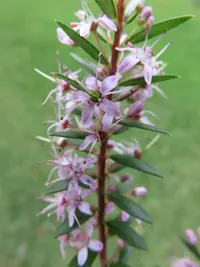
Agathosma ovata, commonly called false buchu, is a small, evergreen shrub in the citrus family. It forms a compact, bushy shape with many short branches. Leaves are small, oval, and aromatic when rubbed, often used traditionally for their fragrant oils.

This plant is native to the fynbos habitats of South Africa, where it grows in sunny, well-drained, rocky soils. It produces clusters of small, starry flowers that can cover the plant in bloom.

False buchu can be moderately challenging outside its native climate because it dislikes waterlogged conditions, heavy frost, and poorly drained soil. Gardeners who learn how to care for False Buchu usually succeed by mimicking its sunny, dry, and airy natural environment.

Main Plant Requirements

Care Difficulty

Moderate Care

Light Preference

Full Sun

Water Requirements

Moderate Water

Temperature Preference

Warm Climate

Hardiness Zone

9–11

Soil Texture

Sandy, Loamy, Organic-rich

Soil pH

Acidic (5.5–6.5)

Soil Drainage

Well-drained

Fertilization

Light (every 4–6 weeks)

Get Personalized Care Plan

Scan your plant to receive care tips personalized for your specific plant

Available on iOS and Android

How to Care for the False Buchu

This compact shrub prefers bright, cool sun with some protection from intense midday exposure.

  • Provide 4–6 hours of direct morning sun, then light afternoon shade; coastal sites tolerate more sun than inland gardens.
  • In hotter areas, use filtered light under open shrubs or shade cloth to prevent leaf scorch and bronzing on False Buchu.
  • If stems stretch, flowering declines, or foliage becomes sparse, the plant is not receiving enough light; move to a brighter, but still sheltered, position.

This fine-rooted shrub is sensitive to both drought stress and saturated soil.

  • Allow the top 2–4 cm of soil to dry before watering again; the soil beneath should stay slightly moist, never soggy.
  • Increase watering frequency in hot, windy weather and during active growth, then reduce in cool or rainy periods, especially on heavier soils.
  • Yellowing, soft leaves and a sour smell indicate overwatering or poor drainage; crisp, browning leaf tips and drooping new growth suggest underwatering.

This species prefers mild, frost-free conditions with moderate summer heat.

  • Aim for 60–75°F (16–24°C) for best growth; flowering and foliage quality are highest in this range.
  • Protect from frost; sustained exposure below 28°F (-2°C) can cause dieback, and hard freezes below 25°F (-4°C) may kill young plants.
  • In hot climates, plants tolerate short periods up to 90°F (32°C) if soil moisture is stable and roots are mulched to reduce heat stress.

This aromatic shrub benefits from moderate air moisture but adapts to typical home conditions.

  • Aim for 40–60% humidity to limit leaf edge browning and keep foliage aromatic.
  • It tolerates short dry-air spells, but prolonged humidity below 30% can cause crisp leaf tips and premature leaf drop.
  • Increase humidity by grouping plants, placing the pot on a pebble tray with water, or running a nearby humidifier during very dry heating seasons.

This shrub prefers a light, sharply drained mix that stays slightly moist but never waterlogged.

  • Use a sandy or loamy mix with high mineral content, such as 50–60% coarse sand or fine grit blended with potting soil.
  • Ensure very fast drainage; water should pass through the pot in seconds rather than pooling on the surface.
  • Keep pH slightly acidic to neutral, around 6.0–7.0, avoiding strongly alkaline mixes that can cause nutrient lockout and leaf yellowing.
  • For Agathosma ovata, improve aeration by adding perlite or fine bark chips and avoid heavy clay-based or peat-dense media that compact easily.

This species suits container growing when the pot supports its fine roots and quick drainage.

  • Choose a pot slightly wider than the root ball but not excessively deep to prevent unused, souring substrate at the bottom.
  • Select a stable, heavier container material if the plant grows bushy and wind-exposed, reducing tipping risk on balconies or patios.
  • Elevate the pot on feet or bricks so drainage holes stay clear and excess water escapes rapidly after rain or irrigation.

This shrub benefits from light but consistent feeding during the active growing season.

  • Apply a balanced liquid fertilizer (around 10-10-10) at half strength every 4–6 weeks in spring and summer for Agathosma ovata care.
  • Use a slow-release, low-phosphorus shrub fertilizer or a thin layer of well-rotted compost on top of the root zone.
  • Always water before and after feeding to avoid root burn in this fine-rooted species.
  • Stop fertilizing in fall and winter, when growth slows, to reduce soft, frost-sensitive growth.

Thoughtful pruning keeps Agathosma ovata dense, compact, and floriferous.

  • Best time is after main flowering flush in late spring, avoiding heavy cuts just before winter.
  • Remove dead, damaged, or crossing stems with clean, sharp hand pruners to maintain plant health.
  • Lightly shorten current season’s growth to encourage branching and a bushy, rounded form.
  • Avoid cutting into very old woody stems with no leaves, as regrowth from bare wood is slow and limited.

Container-grown plants and young shrubs benefit from careful, infrequent repotting or transplanting.

  • Check for roots circling the pot drainage holes, compacted soil, or stalled growth as signs a move is needed.
  • Transplant or repot in late winter to early spring, just before new growth, about every 2–3 years if container grown.
  • Shift into only 1 pot size larger, using a sharply drained, sandy mix to limit waterlogging stress.
  • Keep roots as intact as possible, water thoroughly, then shade from strong sun for 7–10 days to reduce transplant shock.

Agathosma ovata is most often propagated from semi-hardwood cuttings rather than seed for reliable results.

  • Take 7–10 cm semi-hardwood tip cuttings in late summer, choosing non-flowering shoots.
  • Remove lower leaves, lightly wound the base, and dip in a rooting hormone to encourage root initiation.
  • Insert cuttings into a very free-draining, sandy medium and maintain 70–75°F with bright, indirect light.
  • Cover with a humidity dome or plastic tent for several weeks, ventilating daily to limit fungal problems.

This shrub is only lightly frost tolerant and benefits from targeted winter protection in colder regions.

  • In ground, add a 5–8 cm mulch layer around the root zone, keeping material away from the woody stems.
  • In areas below about 25°F, grow False Buchu in containers and overwinter indoors in a bright, cool room.
  • Reduce watering in winter so the soil stays slightly moist but never saturated, especially in low light.
  • Shelter outdoor plants from cold, drying winds using fencing or windbreak fabric to limit foliage damage.

Care Tips

Pinch For Bushiness

Pinch back soft shoot tips in early spring and midsummer to encourage tighter branching and prevent the plant from becoming leggy as it matures.

Refresh Woody Plants

If stems become woody and sparse inside, lightly thin out a few older branches at the base each year to stimulate new growth without shocking the shrub.

Avoid Root Disturbance

Use a narrow trowel and gentle hand-weeding around the root zone, as this species dislikes having its fine surface roots disturbed or compacted.

Winter Wind Protection

In colder or windy sites, place a low, breathable windbreak such as shade cloth or a slatted screen on the windward side to reduce leaf scorch and moisture loss in winter.

Fragrance Health Check

Crush a leaf lightly between your fingers every few weeks; a strong, clean fragrance usually indicates good vigor, while a weak or off smell can be an early sign of stress when caring for False Buchu.

Common Pests and Diseases

Leaf spot

This disease causes small brown to dark purple spots on the aromatic leaves, which may merge into larger blotches and lead to premature leaf drop.

Solution

Remove and discard affected leaves, avoid overhead watering, and ensure good air circulation around the shrub; in persistent humid conditions, a copper-based fungicide can be used according to label directions as part of broader Agathosma ovata care.

Botrytis blight

This disease appears as grey, fuzzy mold on young shoots, flowers, and dead tissue, especially during cool, damp weather.

Solution

Promptly prune out and dispose of all infected and dead material, improve airflow, keep foliage as dry as possible, and, if needed, apply a registered ornamental fungicide during high-risk periods to protect new growth.

Aphids

These insects cluster on tender shoots and undersides of leaves, sucking sap and causing curling, distortion, and sticky honeydew that can attract sooty mold.

Solution

Spray colonies off with a firm stream of water, then treat remaining insects with insecticidal soap or a light horticultural oil, repeating at 5–7 day intervals until populations are reduced and new growth looks clean.

Scale insects

These insects appear as small, dome-shaped or shell-like bumps on stems and leaf midribs, weakening the plant through sap feeding and sometimes leading to yellowing foliage.

Solution

Gently scrape off or wipe individual scales with a cotton pad dipped in alcohol, then apply horticultural oil thoroughly to stems and leaf undersides to smother remaining stages, repeating as needed while monitoring new growth.

Spider mites

These pests cause fine speckling, a dull or bronzed appearance on foliage, and very fine webbing between leaves, especially in hot, dry conditions or on container plants kept indoors or under cover.

Solution

Rinse foliage thoroughly with water to remove mites, increase humidity around the plant, and, if infestation persists, use insecticidal soap or a miticide labeled for ornamental shrubs, ensuring full leaf coverage including undersides to support False Buchu indoor care.

Interesting Facts

Fynbos mountain specialist

This species is native to the sandstone slopes of the Western Cape fynbos in South Africa, where it grows on nutrient-poor, acidic soils and copes with strong coastal winds and seasonal drought.

Scented oil glands

The small, glossy leaves contain visible oil glands that release a strong, resinous aroma when crushed, produced by volatile compounds that help deter herbivores and reduce fungal attack.

Fire-adapted shrub

In its native habitat it is adapted to periodic wildfires; adult shrubs are often killed by fire, but the heat and post-fire conditions stimulate seed germination, allowing populations to regenerate.

Botan icon

Did you know?

The leaves of this species have been traditionally used in South Africa as a flavoring in teas and culinary preparations, valued for their intense, slightly spicy fragrance that persists even when the foliage is dried.

FAQs about False Buchu

Yellowing leaves usually come from chronic overwatering, poor drainage, or nutrient depletion in older potting mix. Check that the soil drains freely, let the top layer dry between waterings, and refresh or lightly fertilize in the growing season.

Grow Healthy Plants with Botan Care

Keep your plants happy and healthy with plant identification, disease detection, and easy care guidance.

Botan plant care app — identify plants on mobile

Explore More Plants