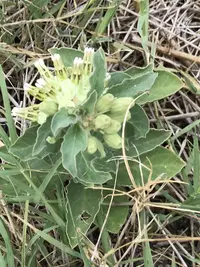
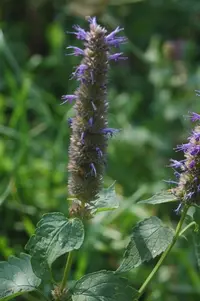
Didymocarpus pedicellatus Care

About Didymocarpus pedicellatus

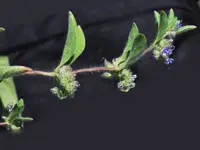
Didymocarpus pedicellatus is a small, shade-loving perennial from the Himalayas, grown mainly for its foliage and small, tubular flowers. It belongs to the Gesneriaceae family, the same group as African violets, and usually forms compact clumps suitable for pots or shaded rock gardens.

Leaves are typically soft, often slightly hairy, and arranged in low rosettes, while the flowering stems rise above the foliage. In cultivation it prefers bright, indirect light, evenly moist but not waterlogged soil, and a humid, sheltered position.

Its modest size and relatively forgiving nature make it suitable for growers with some experience who want to care for Didymocarpus pedicellatus without highly demanding conditions.

Main Plant Requirements

Care Difficulty

Moderate Care

Light Preference

Bright Indirect Light

Water Requirements

Keep Soil Moist

Temperature Preference

Tropical / Frost Sensitive

Hardiness Zone

11–12

Soil Texture

Loamy, Peaty, Organic-rich

Soil pH

Acidic (5.5–6.5), Slightly acidic (6.5–7.0)

Soil Drainage

Moist but well-drained

Fertilization

Light (every 4–6 weeks)

Get Personalized Care Plan

Scan your plant to receive care tips personalized for your specific plant

Available on iOS and Android

How to Care for the Didymocarpus pedicellatus

This species prefers bright, indirect light that mimics a shaded forest understory.

  • Provide 4–6 hours of bright, filtered light daily, such as dappled shade or light through a sheer curtain if grown indoors.
  • Allow gentle morning sun but avoid direct midday or afternoon sun, which can scorch leaves and cause pale, crispy patches on Didymocarpus pedicellatus.
  • In summer, shift the plant slightly deeper into shade; in winter, move it closer to the light source to compensate for shorter days.

Watering should keep the root zone lightly moist but never waterlogged.

  • Before watering, let the top 2–3 cm of soil dry; check with a finger rather than following a fixed schedule.
  • Use a free-draining mix and water until excess runs out, then discard any standing water to reduce root rot risk in Didymocarpus pedicellatus.
  • In warm, active growth, expect more frequent watering and slightly firmer leaves; in cooler seasons, water less, watching for limp, folding leaves as a sign of thirst.

Stable, mild temperatures support healthy growth and flowering.

  • Aim for 65–80°F (18–27°C) during active growth, which suits its subtropical origin and helps maintain steady metabolism.
  • Protect the plant from temperatures below 55°F (13°C); brief dips to 50°F (10°C) may be tolerated but repeated cold slows growth and can damage foliage.
  • Avoid hot spots above 86°F (30°C), especially with low humidity; provide shade and airflow during heat waves and keep it completely frost free.

This species prefers moderately humid air and reacts quickly to dry indoor conditions.

  • Aim for 50–70% humidity; prolonged exposure below 40% often causes leaf edges to brown.
  • Watch for curling, crispy margins, and stalled growth as signs of humidity stress rather than watering issues.
  • Increase humidity with a pebble tray or nearby humidifier and keep the plant away from heating vents or strong drafts.

Provide a loose, airy, fast-draining mix that stays slightly moist but never waterlogged.

  • Use a peat- or coco-based mix with 30–40% perlite and/or fine bark to create an open, fibrous structure.
  • Target a slightly acidic pH around 5.8–6.5, similar to African violet mixes, which supports nutrient uptake for Didymocarpus pedicellatus.
  • Avoid heavy garden soil, straight compost, or clay-based mixes that compact and suffocate fine feeder roots.
  • Improve aeration by adding coarse perlite or pumice and gently loosening the mix surface if it crusts after watering.

This species adapts well to container culture when root space and drainage are carefully managed.

  • Choose a shallow but wide pot so the fibrous root system can spread horizontally without leaving the mix wet at depth.
  • Select a breathable terracotta pot if overwatering is a risk, as it allows faster evaporation and reduces soggy conditions.
  • Place the container on a stable, level surface so the relatively top-heavy foliage does not shift and tear delicate stems.

This species responds well to light feeding during active growth but is sensitive to excess salts.

  • Use a balanced liquid fertilizer (for example 10-10-10) at 1/4–1/2 strength every 4–6 weeks in spring and summer.
  • Apply only to moist substrate to avoid root burn and never onto dry roots.
  • Skip feeding in autumn and winter, when growth slows or plants enter partial dormancy.
  • For caring for Didymocarpus pedicellatus in pots, avoid slow-release pellets that can accumulate in small, fine-rooted systems.

Didymocarpus pedicellatus needs only light, targeted pruning to stay tidy and flowering well.

  • Best timing is after the main flowering flush, when new growth starts to appear.
  • Remove dead, yellowing, or damaged leaves with clean, sharp scissors to limit disease spread.
  • Pinch or trim leggy stems just above a node to encourage fuller, more compact growth.
  • Cut off spent flower stalks at the base to redirect energy to foliage and future buds.

This plant prefers a snug pot and resents frequent disturbance, so transplant only when clearly root-bound.

  • Check for roots circling the pot base, pushing through drainage holes, or clear slowing of new growth as signals to repot.
  • Plan repotting for late winter to early spring, just before active growth resumes.
  • Repot every 2–3 years into a slightly larger container with fresh, airy, well-drained mix.
  • Handle the root ball gently, loosening only the outer roots and watering lightly afterward to reduce stress.

Propagation of Didymocarpus pedicellatus is usually done vegetatively to maintain desirable traits.

  • Take non-flowering stem cuttings in late spring or early summer, 5–8 cm long with 2–3 nodes.
  • Insert cuttings in a loose, moist, sterile mix and keep humidity high with bright, indirect light.
  • Optional rooting hormone on the cut base can speed root formation and improve success rates.
  • Division of crowded clumps at repotting time is also effective if each division carries healthy roots and shoots.

This species is not frost tolerant and needs mild, protected conditions over winter.

  • Keep temperatures above 55°F, avoiding drafts and sudden temperature swings.
  • For container plants, move indoors or into a frost-free greenhouse before night temperatures drop.
  • Reduce watering so the substrate stays lightly moist, never wet, to prevent cold-related root rot.
  • Provide as much bright, indirect light as possible during short winter days to limit weakness.

Care Tips

Rotate for symmetry

Turn the pot 90° every 1–2 weeks to keep the rosette and flower stalks evenly balanced and prevent the plant from leaning toward the light source.

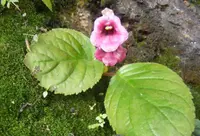
Protect delicate foliage

When cleaning leaves, use a soft dry brush or blower instead of water sprays or wiping, since the fine hairs on the leaves are easily damaged and can trap moisture that encourages rot.

Use shallow containers

Choose a wide, shallow pot rather than a deep one to match the plant’s relatively shallow root system and reduce the risk of overwatering in the lower substrate layers.

Seasonal rest adjustment

In late fall and winter, slightly reduce both watering volume and handling of the plant to respect its lighter semi-rest period, then resume more active care as new growth strengthens in spring.

Inspect crown regularly

Check the crown area and petiole bases every 1–2 weeks for early signs of rot or mealybugs, since catching problems at this central growing point is critical when caring for Didymocarpus pedicellatus.

Common Pests and Diseases

Mealybugs

This pest feeds on leaf and stem sap, often hiding in the fuzzy leaf bases and in crown folds, leading to distortion and sticky honeydew deposits.

Solution

Isolate the plant, then dab visible insects with cotton swabs dipped in 70% isopropyl alcohol and rinse gently with lukewarm water; for heavier infestations, apply a systemic insecticide labeled for indoor ornamentals and repeat every 7–10 days while also reducing excess nitrogen fertilization that promotes soft, vulnerable growth.

Cyclamen mites

These insects are microscopic mites that deform new leaves, cause stunting at the crown, and may lead to tight, twisted growth that never fully expands.

Solution

Discard heavily deformed tissue, keep the plant in slightly cooler, less humid conditions, and use a miticide specifically labeled for cyclamen mites, ensuring repeat applications according to label directions since eggs are protected in the crown crevices of this gesneriad.

Botrytis blight

This disease causes soft, water-soaked spots on leaves and flower stalks that quickly turn brown and can develop gray fuzzy mold under cool, humid, low-airflow conditions.

Solution

Remove all affected tissue, increase air circulation around the plant, avoid wetting the foliage, and water early in the day; in persistent cases, apply a fungicide labeled for Botrytis on ornamentals and reduce crowding to improve Didymocarpus pedicellatus indoor care.

Powdery mildew

This disease produces white, powdery patches on upper leaf surfaces, which can dull the foliage, slow growth, and eventually cause yellowing and leaf drop in stressed plants.

Solution

Increase light and airflow, avoid overhead watering, remove the worst-affected leaves, and treat remaining foliage with a sulfur-based or potassium bicarbonate fungicide labeled for powdery mildew, repeating as needed until new growth emerges clean.

Foliar leaf spot

Symptoms include small, dark, water-soaked spots on the leaves that may expand, coalesce, and cause local yellowing, especially after prolonged leaf wetness in warm conditions.

Solution

Cut off and discard spotted leaves, allow the potting mix surface to dry slightly between waterings, avoid splashing water on foliage, and if new spots keep forming, apply a copper-based or other broad-spectrum fungicide labeled for leaf spot diseases on indoor ornamental plants.

Interesting Facts

Himalayan rock specialist

This species naturally grows on damp, shaded rock faces and cliffs in the Eastern Himalayas, often rooting in thin mossy layers rather than deep soil.

Pendant tubular flowers

It produces slender, tubular flowers on long, drooping stalks (pedicels), an adaptation that helps present nectar to hovering or long-tongued pollinators in its steep, rocky habitats.

Gesneriad family member

It belongs to the family Gesneriaceae, the same group as African violets and Streptocarpus, and shares their preference for stable moisture, high humidity, and shaded understory conditions.

FAQs about Didymocarpus pedicellatus

Poor flowering usually comes from insufficient light, irregular moisture, or lack of nutrients. Old, exhausted plants also flower less. Refresh the potting mix, keep conditions stable, and remove spent blooms to direct energy to new buds.

Grow Healthy Plants with Botan Care

Keep your plants happy and healthy with plant identification, disease detection, and easy care guidance.

Botan plant care app — identify plants on mobile

Explore More Plants