East Indian Globe Thistle Care (Sphaeranthus indicus)

East Indian Globe Thistle

About East Indian Globe Thistle

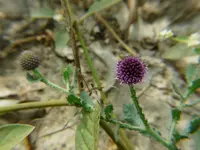
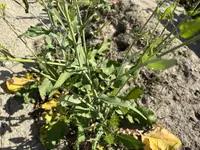
Sphaeranthus indicus, commonly called East Indian globe thistle, is a small, aromatic herb from tropical and subtropical Asia. It often grows in open fields, grasslands, and disturbed sites. The plant forms low, branching clumps with narrow leaves and produces rounded, purple flower heads that sit like buttons on slender stems. It tends to look best in informal, naturalistic plantings rather than formal borders. This species is relatively tough in warm climates but can be short-lived or frost-sensitive in cooler regions. Light, well-drained soil and moderate moisture generally support healthy growth and make it easier to care for East Indian Globe Thistle.

Main Plant Requirements

Care Difficulty

Moderate Care

Light Preference

Full Sun

Water Requirements

Moderate Water

Temperature Preference

Tropical / Frost Sensitive

Hardiness Zone

10–12

Soil Texture

Sandy, Loamy, Organic-rich

Soil pH

Acidic (5.5–6.5), Slightly acidic (6.5–7.0)

Soil Drainage

Moist but well-drained

Fertilization

Minimal (feed rarely)

Get Personalized Care Plan

Scan your plant to receive care tips personalized for your specific plant

Available on iOS and Android

How to Care for the East Indian Globe Thistle

This sun-loving medicinal herb thrives in open, bright positions in warm climates.

  • Provide 6–8 hours of direct sun daily; morning sun and light afternoon shade are ideal in hot regions to limit leaf scorch.
  • Tolerates light partial shade (3–4 hours direct sun), but flowering and growth of East Indian Globe Thistle decrease if shade is deeper or prolonged.
  • Avoid sites shaded by tall shrubs or buildings in winter; choose an open exposure so low seasonal sun still reaches the plant.

This species prefers evenly moist but not saturated soil, especially during active growth and flowering.

  • Allow the top 3–5 cm of soil to dry before watering again, using soil feel rather than a fixed schedule to guide timing.
  • In hot, dry weather, expect faster drying and more frequent watering; in cooler or rainy periods, extend the interval and rely mainly on natural rainfall.
  • Watch for wilting and dull, thin leaves as signs of underwatering, and yellowing, soft stems or a sour soil smell as early signs of overwatering in Sphaeranthus indicus.

This warm-season species grows best in consistently mild to hot conditions without frost exposure.

  • Aim for 70–90°F (21–32°C) for strong growth and flowering; growth slows notably below about 65°F (18°C).
  • Protect plants from temperatures below 40°F (4°C); light frost can damage foliage and repeated freezing often kills the crown.
  • In very hot spells above 95°F (35°C), provide soil mulch and, if possible, light afternoon shade to reduce heat stress and moisture loss.

This species tolerates a wide humidity range and usually does not need special humidity management outdoors.

  • Aim for 30–60% humidity, which is typical for most homes and many outdoor climates in dry or temperate regions.
  • Plants tolerate relatively dry air but may show brown leaf tips and slower growth if air stays very dry for long periods.
  • If grown in a very arid site, group plants near other vegetation or mulch the soil surface to reduce moisture loss around the root zone.

This species prefers light, well-drained soil that does not stay waterlogged after rain or irrigation.

  • Use a sandy or sandy-loam mix with moderate organic matter; combine 50–60% garden soil with 20–30% coarse sand and 20–30% compost for container or raised-bed use.
  • Ensure rapid drainage by avoiding heavy clay; if native soil is dense, incorporate coarse sand and fine gravel to improve porosity and aeration.
  • A slightly acidic to neutral pH around 6.0–7.2 suits Sphaeranthus indicus and helps roots access nutrients efficiently.
  • Avoid compacted, peat-heavy mixes that stay wet; the root system prefers oxygenated spaces rather than consistently saturated conditions.

This species can be grown successfully in containers when drainage and root space are managed carefully.

  • Choose a wide, moderately deep pot to accommodate its spreading root system and prevent tipping in windy positions.
  • Use a lighter plastic pot only if it is placed in a heavier outer cachepot or stabilized to prevent shifting as the plant matures.
  • Raise the container slightly on pot feet or bricks so drainage holes never sit directly in pooled water on trays or hard surfaces.

This drought-tolerant species needs only light feeding, especially when grown in poor, sandy soils.

  • Apply a balanced, diluted liquid fertilizer (for example 10-10-10 at 1/4–1/2 strength) every 4–6 weeks during the warm growing season.
  • Alternatively, use a small amount of slow-release granules or thin compost around the root zone, keeping it off stems.
  • Skip feeding in winter or during dormancy; East Indian Globe Thistle prefers lean conditions outside active growth.
  • Always water lightly after feeding to distribute nutrients and reduce root burn risk.

Pruning Sphaeranthus indicus is mainly used to maintain a compact shape and encourage fresh flowering growth.

  • Carry out light shaping and clean-up in late winter or early spring before vigorous new growth starts.
  • Remove dead, diseased, or damaged stems first, then thin crowded shoots to improve air movement and light penetration.
  • Use clean, sharp hand pruners to make small, angled cuts just above a healthy node or side branch.
  • After the main flush of blooms, shear back spent flower heads to promote tidier foliage and possible repeat flowering.

This species is more often grown in open ground, but container plants or young nursery stock may need occasional transplanting.

  • Transplant or shift to a larger pot in early spring when roots circle the container base or growth slows despite adequate care.
  • Plan on moving container-grown plants every 2–3 years into a pot 2–5 cm wider with good drainage holes.
  • Handle the root ball gently, loosening only tight, circling roots and trimming any rotten sections with sterile tools.
  • Water thoroughly after transplanting, then keep soil slightly moist and shaded for a few days to reduce transplant shock.

Sphaeranthus indicus is commonly multiplied from seed and, in some situations, by division of mature clumps.

  • Sow fresh seeds in late winter or early spring on the surface of a free-draining mix, barely covering them with fine substrate.
  • Maintain gentle warmth around 68–75°F and consistent, light moisture until germination, then increase light gradually.
  • For division, lift established clumps in early spring, split into sections with healthy roots and several shoots, and replant promptly.
  • Space new plants to allow air flow and water well after planting to encourage quick root establishment.

This warm-climate plant has low frost tolerance and benefits from simple winter precautions in cooler regions.

  • In areas with mild winters, a light mulch layer around the root zone helps buffer temperature swings and conserve moisture.
  • Where frost occurs, cover the crown with straw, dry leaves, or similar material to insulate sensitive tissues.
  • Move container-grown plants indoors or into a frost-free greenhouse when temperatures approach freezing, ensuring bright light and modest watering.

Care Tips

Pinch For Bushiness

Pinch 1–2 cm from soft shoot tips once plants reach 10–15 cm tall to encourage branching and create a denser, more floriferous mound.

Timed Succession Sowing

Stagger sowing every 3–4 weeks in warm seasons so flowering is continuous and you always have younger plants ready as older ones decline.

Support In Windy Sites

In exposed beds, insert low hoops or short twiggy branches around young clumps before they reach full height so stems can lean on this discreet support rather than snapping in strong wind.

Deadhead For Rebloom

Remove spent flower heads promptly by cutting just above a leaf node to reduce seed set and extend the overall blooming period.

Rotate Planting Area

Change the planting spot every 2–3 years in small gardens to reduce soil-borne disease buildup and maintain vigor when growing East Indian Globe Thistle in the ground.

Common Pests and Diseases

Leaf spot

This disease causes small dark brown to black lesions on older foliage, sometimes merging into larger irregular patches under prolonged humidity. Symptoms include yellowing around the spots and premature leaf drop in dense, poorly ventilated plantings.

Solution

Remove and dispose of heavily spotted leaves, then thin overcrowded stems to improve air movement and reduce leaf wetness duration. Avoid overhead watering, irrigate at soil level in the morning, and if the problem persists in wet seasons, apply a copper- or chlorothalonil-based fungicide labeled for ornamental asters according to label directions.

Powdery mildew

This disease produces a white to gray powdery coating on upper leaf surfaces, young shoots, and sometimes flower heads, especially during warm days and cool, humid nights. Symptoms include distorted new growth and reduced flowering if infection is heavy.

Solution

Prune to open the plant canopy and ensure full sun exposure, as strong light suppresses powdery mildew on this species. Remove and discard the most affected shoots, avoid excess nitrogen fertilization, and use a sulfur or potassium bicarbonate spray labeled for powdery mildew on ornamentals if cultural steps are not enough.

Aphids

These insects cluster on tender stems, undersides of leaves, and flower stalks, sucking sap and causing curling or distortion of young growth. This pest also excretes sticky honeydew that can lead to sooty mold on foliage in humid conditions.

Solution

Dislodge colonies by spraying the plants with a strong stream of water, focusing on shoot tips and leaf undersides. For persistent infestations, introduce or conserve natural enemies like lady beetles, or use an insecticidal soap or neem oil spray, ensuring thorough coverage and applying in the early morning or late afternoon to avoid leaf burn.

Leaf-mining flies

These insects create narrow, winding, whitish tunnels inside the leaves, which may coalesce into larger blotches on older foliage. Symptoms include reduced photosynthetic area and a cosmetic decline in plant appearance, especially in nursery or potted stock.

Solution

Remove and destroy mined leaves as soon as damage is seen to reduce larval numbers and prevent the emergence of new adults. For repeated issues in the same location, use yellow sticky traps to monitor adult activity and consider a targeted spinosad-based spray directed at young larvae, applied according to label guidance.

Interesting Facts

Seasonal wetland specialist

This species often grows in moist or seasonally waterlogged sites such as rice fields, pond margins, and damp grasslands, showing strong adaptation to fluctuating soil moisture.

Distinctive dome flowerheads

Its flowerheads are small, hard, dome-shaped globes composed of many tiny purple florets, which attract a range of small pollinating insects in open, sunny habitats.

Wide Old World range

Although best known from the Indian subcontinent, this species occurs across much of tropical and subtropical Asia and parts of Africa, indicating strong ecological flexibility in different monsoon-type climates.

Botan icon

Did you know?

In several traditional agricultural landscapes, this plant is considered a characteristic component of fallow or post-harvest rice fields, where its persistent seed bank allows it to reappear quickly once conditions turn moist and sunny again.

FAQs about East Indian Globe Thistle

Flowering often fails when the plant is too shaded, overwatered, or overfed with high-nitrogen fertilizer. Provide strong light, well-drained soil, and modest feeding, and deadhead spent blooms to redirect energy into forming new flower heads.

Grow Healthy Plants with Botan Care

Keep your plants happy and healthy with plant identification, disease detection, and easy care guidance.

Botan plant care app — identify plants on mobile

Explore More Plants