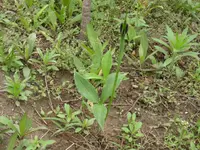
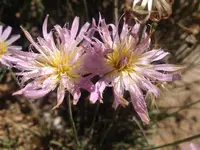
Barb Caterpillarbean Care (Zornia glochidiata)

Barb Caterpillarbean

About Barb Caterpillarbean

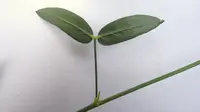
Barb caterpillarbean, Zornia glochidiata, is a small annual legume often found in grasslands, savannas, and light woodland edges in tropical and subtropical regions. It typically forms low, branching clumps with small paired leaflets and slender stems.

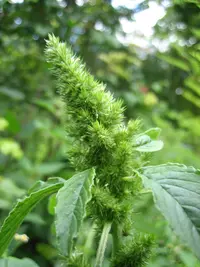
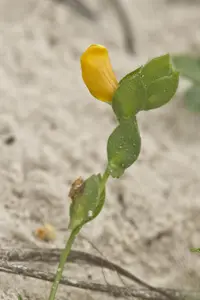
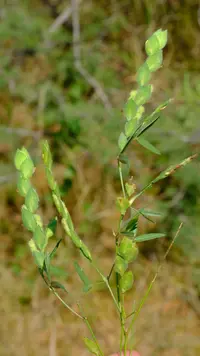
The plant produces yellowish pea-like flowers followed by narrow pods covered with tiny bristles that give it the “caterpillar” look. Its ability to fix nitrogen helps improve poor or degraded soils.

Gardeners usually find it easy to grow in warm climates, as it tolerates heat, sun, and relatively dry conditions once established. Light, well-drained soil and moderate watering are generally enough to care for Barb Caterpillarbean.

Main Plant Requirements

Care Difficulty

Easy Care

Light Preference

Full Sun

Water Requirements

Low Water

Temperature Preference

Warm Climate

Hardiness Zone

10–13

Soil Texture

Sandy, Loamy

Soil pH

Slightly acidic (6.5–7.0), Neutral (7.0)

Soil Drainage

Well-drained

Fertilization

Minimal (feed rarely)

Get Personalized Care Plan

Scan your plant to receive care tips personalized for your specific plant

Available on iOS and Android

How to Care for the Barb Caterpillarbean

This sun-loving annual legume thrives in bright, open conditions with warm, long days.

  • Provide 6–8 hours of direct sun daily; full sun suits Barb Caterpillarbean best in open field or meadow settings.
  • In very hot climates, give early morning sun and light afternoon shade to reduce leaf scorch, especially on dry, exposed soils.
  • Avoid deep shade; stems elongate, flowering declines, and plants lodge more easily when they receive less than 4–5 hours of direct light.

This drought-tolerant species prefers infrequent, deeper watering once established.

  • Allow the top 3–5 cm of soil to dry before watering, then moisten the root zone thoroughly without leaving water standing on the surface.
  • Use well-drained, sandy or loamy soil; persistent puddling, sour smell, or limp yellowing foliage usually indicates overwatering or poor drainage.
  • In hotter months, monitor for dull, folding leaflets and dry, crumbly soil as signs to water Zornia glochidiata, while reducing watering in cool or rainy seasons.

This warm-season annual performs best under consistently hot, frost-free conditions.

  • Aim for active growth in 75–90°F (24–32°C); germination and seedling growth slow markedly below 65°F (18°C).
  • Protect plants from temperatures below 45°F (7°C); light frost damages foliage and hard frost usually kills the entire plant.
  • It tolerates brief heat up to about 100°F (38°C) if soil moisture is adequate, but extended heat with dry soil causes leaf scorch and reduced flowering.

Humidity is not a major factor for this drought-adapted species, which tolerates typical indoor air well when caring for Barb Caterpillarbean.

This species prefers light, well-drained soil that does not stay wet after watering.

  • Use a sandy or sandy-loam mix with 30–50% coarse sand to mimic its natural, free-draining habitat.
  • Incorporate a small amount of compost or fine bark (10–20%) to add structure without making the mix heavy.
  • Aim for slightly acidic to neutral pH, around 6.0–7.0, which suits most Zornia glochidiata plants.
  • Avoid heavy clay, compacted soil, or any mix that forms puddles or sticks together when squeezed, as this restricts root aeration.

This species can be grown in containers if the pot and mix prevent prolonged wetness around the roots.

  • Choose a wide, shallow pot to accommodate its spreading root system and keep the mix from staying saturated at depth.
  • Use a gritty, fast-draining mix and raise the pot on feet or pot risers so drainage holes never sit in collected water.
  • Select unglazed terracotta if extra evaporation is needed in humid or rainy climates to reduce the risk of root issues.

This small legume fixes nitrogen and usually needs only light feeding in poor soils when growing Barb Caterpillarbean in containers or degraded sites.

  • Use a balanced, dilute liquid fertilizer (around 10-10-10) at 1/4–1/2 strength during the main warm growing season.
  • Apply every 4–6 weeks only if foliage looks pale or growth is weak, especially in sandy or very low‑nutrient soils.
  • In containers, mix a small amount of slow‑release fertilizer or compost into the top layer at the start of the season.
  • Stop feeding in late fall and over winter to avoid forcing soft growth in low light and cooler temperatures.

Pruning Zornia glochidiata is light and mainly used to keep plants tidy and encourage compact growth.

  • Best timing is late winter or early spring before strong new growth starts.
  • Use clean, sharp scissors or small snips to remove dead, diseased, or storm‑damaged stems.
  • Trim back leggy, crowded tips by 2–5 cm to promote branching and a denser habit.
  • Avoid cutting into very old, woody bases; focus on young, flexible stems for shaping.

This species is more often transplanted outdoors than grown long term in containers, but the same stress‑reduction principles apply.

  • Transplant or shift containers in spring when soil is warming and active growth begins.
  • Look for roots circling the pot, water draining too fast, or slowed growth as signs a container plant needs a larger pot.
  • Move up only 1 pot size, gently loosen circling roots, and keep the root ball slightly moist, not waterlogged, during the move.
  • Water well after planting, shade for a few days in hot sun, and avoid heavy fertilization until new growth clearly resumes.

Propagation of Zornia glochidiata is most reliable from seed under warm, bright conditions.

  • Sow fresh seeds in late spring to early summer once temperatures stay above about 65°F.
  • Lightly scarify hard seed coats by rubbing with fine sandpaper, then soak in warm water for 6–12 hours to improve germination.
  • Use a free‑draining, sandy mix, keep it just moist, and provide bright light without intense midday sun.
  • Stem cuttings are less common; if attempted, use soft, non‑flowering tips, rooting hormone, and high humidity.

This warm‑season annual or short‑lived perennial usually dies back with hard frost and needs only minimal winter care in most climates.

  • In mild, frost‑free areas, a light mulch layer (2–5 cm) helps buffer soil temperature and moisture.
  • In regions with freezing winters, treat plants as annuals and plan to re‑sow seed in spring.
  • Container plants in marginal climates can be moved into a bright, frost‑free space to extend their life.

Care Tips

Encourage Compact Growth

Pinch back soft shoot tips when plants are 10–15 cm tall to encourage branching, a fuller canopy, and more flowering sites rather than tall, weak stems.

Use Low Support

In windy or exposed sites, run a low string or mesh 10–20 cm above the soil so the sprawling stems can lean on it, reducing stem breakage and lodging after heavy rain.

Optimize Forage Harvest

If using the plant as forage or green manure, cut it when roughly 30–50% of flower buds have opened, which balances biomass yield with good regrowth potential.

Inoculate With Rhizobia

Where soils are poor or the species is new to an area, use a compatible legume inoculant on seeds before sowing to improve root nodulation and biological nitrogen fixation, which supports healthier stands when growing Barb Caterpillarbean.

Plan Short-Lived Stands

Treat this species as an annual or short-lived perennial and reseed in staggered blocks each year so that declining older patches are gradually replaced and the planting stays dense and productive.

Common Pests and Diseases

Rhizoctonia damping-off

This disease causes seedlings to collapse at the soil line, often shortly after germination. Symptoms include brown, water-soaked stem lesions and poor, patchy emergence in field or tray sowings.

Solution

Use clean, well-drained seedling substrate, avoid overwatering, and space seedlings to improve airflow. Discard affected seedlings with their surrounding soil, and if the problem recurs, treat the seedbed area with a biological fungicide containing Trichoderma or Bacillus species before sowing.

Colletotrichum leaf spot

This disease produces small, dark, often circular lesions on leaves that may coalesce into larger dead patches, reducing photosynthetic area. Symptoms include premature yellowing and partial defoliation in humid, warm conditions.

Solution

Remove and dispose of heavily spotted leaves to reduce inoculum, and avoid overhead irrigation that keeps foliage wet for long periods. Improve spacing and airflow, and in recurrent cases on valuable stands, apply a targeted fungicide labeled for anthracnose diseases on forage legumes, following all label directions.

Foliar-feeding grasshoppers

These insects chew irregular holes and margins in leaves and can rapidly defoliate young plants in open, dry habitats. Symptoms include ragged leaf edges and sometimes complete loss of foliage on small plants.

Solution

Hand-pick and remove grasshoppers from small plantings, and use fine insect netting or row covers to exclude them from establishing stands. In larger outdoor areas, maintain surrounding vegetation to attract natural predators and, if necessary, use bait formulations or spot treatments specifically labeled for grasshoppers, keeping applications off flowering areas to protect pollinators.

Aphid colonies

These insects cluster on young stems and leaf undersides, sucking sap and sometimes causing leaf curling, distortion, and sticky honeydew deposits. Symptoms include presence of sooty mold on honeydew and slowed growth in young plants.

Solution

Dislodge colonies by spraying plants with a strong stream of water, focusing on shoot tips and leaf undersides. For persistent infestations, apply insecticidal soap or horticultural oil in the early morning or late afternoon, repeating as needed and ensuring thorough coverage without saturating the soil.

Interesting Facts

Sahel grassland specialist

This annual legume is native to the arid and semi-arid Sahel and savanna zones of Africa, where it is a common component of natural grasslands and light sandy soils.

Nitrogen-fixing teammate

Like many legumes, it forms nodules on its roots that host rhizobium bacteria, which convert atmospheric nitrogen into forms usable by plants and help enrich poor soils over time.

Valuable dry-season forage

In its native range, it is widely recognized as an important forage species for grazing livestock, especially toward the end of the rainy season when other herbaceous plants decline in quality.

FAQs about Barb Caterpillarbean

This species behaves mainly as a warm-season annual, completing its life cycle in 1 growing season. In frost-free regions it may sometimes persist slightly longer, but it usually regenerates each year from seed rather than long-lived roots.

Grow Healthy Plants with Botan Care

Keep your plants happy and healthy with plant identification, disease detection, and easy care guidance.

Botan plant care app — identify plants on mobile

Explore More Plants