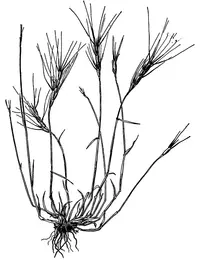
maconha brava Care (Zornia latifolia)

maconha brava

About maconha brava

Zornia latifolia, commonly called maconha brava, is a small herbaceous legume native to tropical and subtropical regions of Central and South America. It typically grows as a low, sprawling groundcover with delicate compound leaves and small yellow flowers.

In suitable conditions it forms a light, airy mat that can fill in warm garden beds or naturalized areas. It tends to prefer full sun to light shade, moderately moist but well-drained soil, and warm temperatures.

Once established, it is relatively undemanding, but it dislikes cold, waterlogged substrates, and extended drought, which can limit success in cooler or very dry climates. Understanding these preferences helps guide basic how to care for maconha brava in home gardens or small collections.

Main Plant Requirements

Care Difficulty

Moderate Care

Light Preference

Full Sun

Water Requirements

Moderate Water

Temperature Preference

Tropical / Frost Sensitive

Hardiness Zone

10–12

Soil Texture

Sandy, Loamy, Organic-rich

Soil pH

Acidic (5.5–6.5), Slightly acidic (6.5–7.0)

Soil Drainage

Well-drained

Fertilization

Minimal (feed rarely)

Get Personalized Care Plan

Scan your plant to receive care tips personalized for your specific plant

Available on iOS and Android

How to Care for the maconha brava

This sun-loving legume grows best with strong light and some protection from harsh extremes.

  • Provide 6–8 hours of direct sun daily, ideally with morning sun and light afternoon shade, especially in hotter regions.
  • Maconha brava tolerates partial shade (3–4 hours direct sun) but may grow longer, weaker stems and produce fewer flowers in low light.
  • In summer, protect from intense midafternoon sun with light shade; in cooler seasons, choose the brightest, most open spot to maximize growth.

This species prefers evenly moist, well-drained soil rather than constant wetness.

  • Water when the top 3–5 cm of soil feel dry, using enough water to moisten the root zone, then let excess drain away fully.
  • During active warm-season growth, expect more frequent watering, while in cooler months reduce frequency as evaporation and growth slow.
  • If leaves yellow and stems feel soft, suspect overwatering; if foliage wilts and soil is dry and pulling from the ground, increase watering depth or frequency for Zornia latifolia.

This warm-season plant thrives in stable, frost-free conditions.

  • Aim for 70–85°F (21–29°C) for fastest growth, with good airflow to prevent heat stress and disease.
  • Growth slows below 60°F (16°C), and the plant is damaged or killed near 40°F (4°C), so protect it from cold snaps.
  • It tolerates short periods up to about 95°F (35°C) if soil moisture is maintained, but prolonged extreme heat with dry soil can scorch foliage and stunt growth.

This species grows well in typical outdoor humidity and rarely needs special moisture control.

  • Aim for 40–60% humidity; short dry spells are tolerated if soil moisture is maintained.
  • Leaves folding, crisp tips, or slowed growth during hot, very dry spells can indicate low humidity stress in maconha brava.
  • In extended dry heat, group plants, use nearby water trays, or provide brief misting in the morning to buffer low humidity.

This plant prefers light, well‑structured soil that drains quickly yet does not dry out instantly.

  • Use a sandy or sandy‑loam mix with moderate organic matter to mimic the loose native habitat of Zornia latifolia.
  • Combine roughly 50–60% coarse sand, 20–30% compost, and 10–20% perlite to improve drainage and root aeration.
  • Keep pH slightly acidic to neutral, around 6.0–7.0, avoiding highly alkaline or salty substrates that restrict nutrient uptake.
  • Avoid compacted clay, waterlogged areas, or peat‑heavy mixes that stay wet for long periods and promote root rot.

This species suits container growing when the pot supports its spreading root system and quick top growth.

  • Choose a wide, shallow to medium‑depth container that allows lateral root spread rather than a very tall, narrow pot.
  • Select a breathable material such as terra cotta if overwatering is a risk, since it lets the mix dry more evenly between waterings.
  • Raise the pot on feet or bricks so drainage holes stay clear and runoff moves away quickly after heavy rain or irrigation.

Zornia latifolia benefits from light, targeted feeding rather than heavy fertilization.

  • Use a balanced NPK liquid fertilizer at 1/4–1/2 strength every 4–6 weeks during the warm growing season.
  • Alternatively, apply a thin layer of mature compost or a low-rate slow-release fertilizer at the start of spring.
  • Reduce feeding to once at the beginning of cool season or stop entirely if growth slows markedly.
  • For maconha brava in containers, flush the soil with plain water occasionally to limit salt buildup.

Pruning Zornia latifolia is mainly done to maintain a neat, compact form and remove weak growth.

  • Best timing is late winter to early spring, before strong new growth, or lightly after flowering flushes.
  • Remove dead, diseased, or storm-damaged stems first, then thin crowded interior shoots to improve airflow.
  • Tip back long, leggy stems to encourage branching and a denser habit, which can support more flowering.
  • Use clean, sharp scissors or hand pruners and make small, angled cuts just above healthy leaf nodes.

This species is more often grown in beds, so focus on careful transplanting rather than frequent repotting.

  • Transplant young plants in spring once soil has warmed and the risk of frost has passed.
  • Look for signs such as roots circling a small pot, slow growth, or rapid drying of the substrate before shifting to a larger container or bed.
  • Move up only 1 pot size, keep the root ball intact, and backfill with well-drained soil to reduce transplant shock.
  • Water thoroughly after planting, keep soil evenly moist for 1–2 weeks, and shade slightly if sun is intense while roots re-establish.

New plants are most commonly raised from seed, which suits the natural life cycle of this herb.

  • Sow fresh seeds in spring in small trays or directly outdoors once soil is consistently warm.
  • Use a well-drained, sandy mix, keep it just moist, and maintain temperatures around 70–80°F for reliable germination.
  • Cover seeds very lightly or press into the surface, as small seeds need some light to trigger sprouting.
  • For more controlled Zornia latifolia plant care, thin seedlings so the strongest individuals have adequate space and airflow.

This warm-season species has low frost tolerance and usually dies back where winters are cold.

  • In regions with light frost, apply a 5–8 cm layer of dry mulch around the root zone in late fall.
  • Move container-grown plants indoors to a bright, cool room before nights fall below 50°F.
  • In colder climates, treat plants as annuals and start new ones from seed each spring rather than overwintering.

Care Tips

Low support mesh

Install a low mesh or horizontal string grid 10–20 cm above the soil so the stems can lean and spread without lodging or snapping in wind or heavy rain.


Sequential sowing

Stagger sowing every 3–4 weeks during the warm season to maintain a continuous stand, which keeps foliage younger, healthier, and more productive for harvest.

Targeted harvesting

Harvest only the upper, non-woody shoots with clean scissors, leaving lower nodes and side branches intact to stimulate bushier regrowth and reduce plant stress.

Weed-light competition

Use a thin organic mulch layer between rows but keep a bare 3–5 cm collar around stems to suppress weeds while still allowing soil to warm quickly and drain well.

Regular stand renewal

Plan to replant plots every 1–2 years, removing tired plants and lightly enriching the bed so that growing maconha brava remains vigorous and less prone to pests and fungal issues.

Common Pests and Diseases

Legume aphids

This pest feeds on young stems, undersides of leaves, and flower stalks, causing curling, distortion, and sticky honeydew that can lead to sooty mold. Symptoms include slowed growth and weakened plants, especially in warm, dry conditions.

Solution

Rinse colonies off soft stems and foliage with a firm stream of water, repeating every few days until numbers drop. For heavier infestations, use insecticidal soap or a light horticultural oil, applied in the early morning or evening, and encourage natural predators like lady beetles by avoiding broad-spectrum insecticides.

Bean leaf beetles

These insects chew round or irregular holes in foliage and can scar pods and young seed structures on this legume. Symptoms include thinning leaf area and a ragged appearance, which can reduce vigor in young stands.

Solution

Hand-pick beetles in small plantings and shake them from foliage into soapy water early in the day when they move more slowly. In larger plantings, use floating row covers to protect young plants and remove nearby weedy legumes that shelter beetles, reserving targeted insecticidal treatments for severe, persistent damage.

Rust

This disease produces small yellow to orange-brown pustules on leaves and sometimes stems, often on the undersides first. Symptoms include premature yellowing and shedding of foliage, which can reduce plant vigor and biomass.

Solution

Remove and discard heavily infected leaves and any plant debris at season’s end to reduce spore carryover. Improve spacing and airflow, avoid overhead watering, and if rust recurs, apply a sulfur or copper-based fungicide labeled for legumes, following label rates and intervals carefully.

Powdery mildew

This disease causes white, powdery fungal growth on leaf surfaces and green stems, often starting on older or shaded foliage. Symptoms include dull, grayish leaves that may curl, yellow, and age early, lowering photosynthesis and plant strength.

Solution

Increase light and airflow by avoiding overcrowding and trimming dense surrounding vegetation, and water at soil level to keep foliage dry. Remove the worst-affected leaves and, if needed, apply a potassium bicarbonate or neem oil product labeled for powdery mildew, coating both upper and lower leaf surfaces.

Leaf spot complex

Symptoms include small brown to purplish spots on leaves that may merge into larger dead areas, often bordered by yellow halos. In humid or rainy periods, affected foliage can thin out, slowing growth and reducing quality of harvested material when growing maconha brava.

Solution

Collect and dispose of spotted, fallen leaves and avoid overhead irrigation to limit leaf wetness duration. Rotate plantings, improve soil drainage, and when disease pressure is high, use a protective fungicide suitable for legumes, starting at the first appearance of new spots and repeating as directed on the label.

Interesting Facts

Nitrogen-fixing legume

This species forms root nodules with nitrogen-fixing bacteria, helping enrich poor soils with bioavailable nitrogen and improving local soil fertility.

Distinctive paired leaflets

Its leaves are composed of small, opposite leaflets with tiny stipules that often look like extra leaf segments, giving the foliage a fine, delicate texture compared with many other legumes.

Neotropical distribution

The plant is native to tropical and subtropical regions of the Americas, where it typically grows in open, sunny grasslands and disturbed sites rather than in dense forest settings.

Botan icon

Did you know?

Genetic and morphological studies place this species within a diverse group of tropical legumes, and its subtle floral traits have been used by taxonomists as reference characters when clarifying relationships inside the genus Zornia.

FAQs about maconha brava

This species spreads by seed and short, branching stems but is usually not aggressively invasive in well-managed gardens. In warm climates it can naturalize, so remove spent flowers before seed set if spread becomes unwanted.

Grow Healthy Plants with Botan Care

Keep your plants happy and healthy with plant identification, disease detection, and easy care guidance.

Botan plant care app — identify plants on mobile

Explore More Plants