spiny amaranth Care (Amaranthus spinosus)

Also known as: Needle Bur, thorny amaranth, Spiny Pigweed, prickly amaranth, Prickly Careless Weed, Soldier Weed, Thorny Pigweed
spiny amaranth

About spiny amaranth

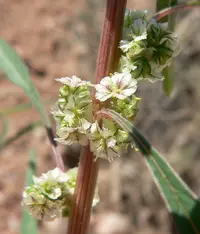
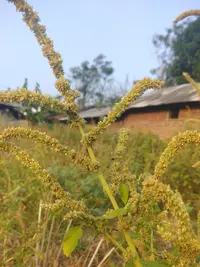
Spiny amaranth, Amaranthus spinosus, is a fast-growing annual herb often seen as a weed in warm and tropical regions. It has upright stems, sharp paired spines at the leaf nodes, and narrow leaves with green flower spikes.

This species commonly appears in fields, roadsides, and disturbed soils across the southern United States and many other warm climates. It grows vigorously in full sun and tolerates poor, compacted soils, which makes it persistent and sometimes invasive.

Because it self-seeds heavily and spreads quickly, gardeners often need to manage it carefully. Basic knowledge of how to care for spiny amaranth helps decide whether to cultivate it intentionally or control it as a weed.

Main Plant Requirements

Care Difficulty

Easy Care

Light Preference

Full Sun

Water Requirements

Moderate Water

Temperature Preference

Tropical / Frost Sensitive

Hardiness Zone

9–11

Soil Texture

Sandy, Loamy, Clay

Soil pH

Slightly acidic (6.5–7.0), Neutral (7.0)

Soil Drainage

Well-drained

Fertilization

Minimal (feed rarely)

Get Personalized Care Plan

Scan your plant to receive care tips personalized for your specific plant

Available on iOS and Android

How to Care for the spiny amaranth

This species prefers strong, direct sun to fuel fast growth and dense foliage.

  • Provide 6–8 hours of direct sun daily; full sun from morning through mid-afternoon produces sturdy, compact plants.
  • Tolerates light partial shade, especially with 3–4 hours of morning sun, but flowering and seed set may decline in heavier shade.
  • In very hot regions, intense late-afternoon sun can scorch young spiny amaranth; use light afternoon shade or filtered light in midsummer if leaves pale or crisp at edges.

This plant grows best in evenly moist, well-drained soil that never stays waterlogged.

  • Water when the top 3–5 cm of soil feels dry, aiming for moist but not soggy soil around the root zone.
  • Use soil with good drainage; standing water or a sour smell indicates overwatering, while limp, dull leaves and slow growth suggest underwatering.
  • During hot, dry periods, check soil more often; in cooler seasons or rainy weather, extend the interval between waterings to prevent root rot in Amaranthus spinosus.

Warm conditions support fast, healthy growth for this strictly frost-sensitive annual.

  • Ideal growth occurs at 75–95°F (24–35°C); plants grow more slowly below 70°F (21°C).
  • Treat it as a warm-season crop: it is damaged near 40°F (4°C) and usually killed by frost below 32°F (0°C).
  • Tolerates short spikes above 100°F (38°C) if soil moisture is maintained, but prolonged extreme heat with drought can cause wilting, leaf scorch, and poor flowering.

Humidity is rarely critical for Amaranthus spinosus grown outdoors.

Amaranthus spinosus grows best in loose, well-drained mineral soil with moderate fertility.

  • Aim for a loamy or sandy-loam texture that does not stay waterlogged after rain or irrigation.
  • Maintain pH around 6.0–7.5, avoiding very acidic or saline sites that restrict nutrient uptake.
  • For garden beds, incorporate 2–4 cm of compost or aged manure to improve structure and steady moisture without creating heavy, sticky soil.
  • In compacted ground, loosen the top 15–20 cm and mix in coarse sand or fine grit to improve aeration and drainage.

This species is suitable for container growing outdoors if the pot supports its fast, upright growth.

  • Choose a container at least 25–30 cm deep so the taproot can develop without circling tightly.
  • Use a heavy or wide-based pot if plants grow tall, to reduce tipping in wind or on balconies.
  • Opt for porous materials like unglazed clay if you need faster drying in wet climates, or thicker plastic in hot, dry sites to slow moisture loss.

This fast-growing annual benefits from modest feeding on poor soils but often needs no fertilizer on fertile ground.

  • Use a balanced liquid fertilizer (for example 10-10-10) at 1/2 strength every 3–4 weeks during the warm growing season if growth looks weak.
  • Alternatively, work in a thin layer of compost around the root zone to support steady growth without excessive nitrogen.
  • Stop feeding spiny amaranth in late summer to early fall so plants harden off naturally before cold weather.

Targeted pruning helps manage the size, shape, and seeding of Amaranthus spinosus in gardens or disturbed sites.

  • In late spring to mid-summer, cut back soft shoot tips with clean hand pruners to encourage bushier growth and more branching.
  • Remove dead, damaged, or crossing stems whenever seen to reduce disease risk and improve air flow through the canopy.
  • Before flowers set seed, shear or cut flowering spikes if self-seeding is not desired, disposing of material so seeds do not spread.

This species is usually grown in open ground, so focus on careful transplanting of seedlings rather than long-term container culture.

  • Transplant young plants in late spring after frost, when seedlings have 2–4 true leaves and soil is consistently warm.
  • Choose a sunny site with loose, well-drained soil; water the area before and after transplanting to reduce root stress.
  • Lift seedlings gently, keeping as much root and surrounding soil as possible, then set at the same depth and firm soil lightly.
  • Containers are short-term; if roots circle the pot or growth stalls, plant out into the garden rather than shifting to a larger pot.

Seed propagation is the standard method for increasing Amaranthus spinosus in cultivation or research plots.

  • Collect mature seeds from dry flower spikes at the end of the season and store them cool and dry until spring.
  • Sow seeds in late spring on the soil surface or barely covered, as light improves germination in warm conditions above 68°F.
  • Keep the seedbed evenly moist but not waterlogged until seedlings establish, then thin to the desired spacing for strong growth.
  • Vegetative methods such as cuttings or division are not commonly used, since seed production is abundant and reliable.

This warm-season annual is not frost hardy and dies back naturally with freezing temperatures, so winter care is minimal.

  • In cold climates, allow plants to be killed by frost, then remove and dispose of seed heads if self-sowing is not desired.
  • Mulch disturbed or bare soil after removal to limit new seedlings and erosion over winter.
  • In mild frost-free regions, monitor for volunteer seedlings and manage them during winter and early spring if control is needed.

Care Tips

Use gloves

Always wear sturdy gloves and long sleeves when handling plants to avoid injury from the sharp paired spines on the stems, especially during thinning or harvesting.

Timed weed control

If managing it as a weed, cut or uproot plants just before flowering so seed heads have not set yet, which greatly reduces reseeding pressure in the same bed.

Mulch exclusion strip

Lay a 5–8 cm layer of clean organic mulch around desired crops but leave a narrow, bare inspection strip to spot and remove young spiny amaranth seedlings before they harden and develop strong spines.

Staggered cutting harvest

For leaf harvest, cut only the top 10–15 cm of young shoots and rotate through plants every 7–10 days, which encourages fresh, tender regrowth while preventing plants from becoming woody and overly spiny.

Seed head sanitation

If seed production is not desired, bag and remove seed heads into sealed containers or bags instead of composting them, since dry seeds stay viable and can escape into compost piles or surrounding soil when caring for spiny amaranth.

Common Pests and Diseases

Stem borer

This pest tunnels inside stems and shoots, causing wilting, stunting, and hollow or blackened stems that may break easily.

Solution

Remove and destroy infested shoots as soon as wilting or stem holes are seen, then encourage strong regrowth with balanced watering and nutrition; in larger plantings, use pheromone or light traps and apply a targeted Bacillus thuringiensis (Bt) or other labeled biological product to young larvae before they fully enter the stems.

Amaranth leaf webber

This pest feeds on leaves while tying them together with silken webbing, which reduces foliage, distorts young growth, and lowers plant vigor.

Solution

Hand-pick and destroy webbed leaves and visible caterpillars, then encourage natural predators by avoiding broad-spectrum insecticides; on heavier infestations, spray a Bt-based product on the foliage in the late afternoon so it is ingested by actively feeding larvae.

Aphids

These insects cluster on tender shoots and leaf undersides, sucking sap and causing curling, yellowing, and sticky honeydew that can attract sooty mold.

Solution

Dislodge colonies with a firm stream of water, prune heavily infested shoot tips, and if needed apply insecticidal soap or neem oil thoroughly to leaf undersides, repeating every 5–7 days until populations decline; encourage lady beetles and lacewings by minimizing harsh chemicals when caring for spiny amaranth.

Leaf spot

This disease produces brown or gray circular spots that may have darker margins and can merge into larger dead areas, leading to premature leaf drop in humid conditions.

Solution

Remove and destroy affected leaves, avoid overhead watering, and increase spacing or airflow so foliage dries quickly; in persistent cases, rotate the planting site and, for outdoor stands, apply a copper- or chlorothalonil-based fungicide labeled for leafy vegetables as a preventive spray during prolonged wet weather.

Downy mildew

Symptoms include pale yellow patches on upper leaf surfaces and a grayish to purplish downy growth on the undersides, often leading to leaf distortion and drop under cool, humid conditions.

Solution

Improve air circulation and avoid evening overhead irrigation so leaves dry rapidly, remove and discard heavily infected plants, and use site rotation; where allowed for edible crops, apply a phosphorus acid or copper-based fungicide at the first sign of disease to protect new foliage.

Interesting Facts

Armored with spines

This species develops paired, sharp spines at each leaf node, which deter grazing animals and help distinguish it from other amaranths that lack such strong mechanical defenses.

Nitrogen-rich weed

Spiny amaranth often invades nitrogen-rich soils, including fertilized crop fields and livestock areas, where it can grow rapidly and compete strongly with crops like soybean, maize, and cotton.

Massive seed production

Each plant can produce many thousands of tiny seeds that form a persistent soil seed bank, allowing populations to reappear for years even after above-ground plants are removed.

Botan icon

Did you know?

In some regions of Asia and Africa, young leaves and tender shoots of spiny amaranth are traditionally harvested as a leafy vegetable and are first boiled in plenty of water to reduce nitrate and oxalate levels before being eaten.

FAQs about spiny amaranth

This species spreads very aggressively by seed. Each plant can produce many thousands of seeds that remain viable in soil. Deadhead flower spikes before seed set and remove seedlings early to prevent it from becoming a persistent weed.

Grow Healthy Plants with Botan Care

Keep your plants happy and healthy with plant identification, disease detection, and easy care guidance.


Botan plant care app — identify plants on mobile

Explore More Plants