Gomortega Care (Gomortega keule)

Also known as: Gomortegaceae
Gomortega

About Gomortega

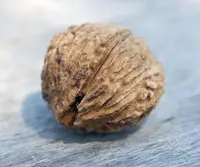
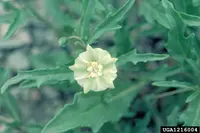
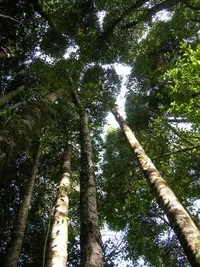
Gomortega, known botanically as Gomortega keule, is a rare evergreen tree native to the coastal forests of central Chile. It is grown mainly as a botanical curiosity or specialty orchard tree. The plant forms a dense, rounded crown with thick, leathery, glossy green leaves and produces fragrant yellow flowers followed by large, fleshy, edible yellow fruits. Growth is generally slow, and the tree can become quite long-lived in suitable conditions. Gomortega keule prefers mild, frost-free climates, evenly moist but well-drained soil, and protection from extreme heat or cold. Outside its native range, care for Gomortega is considered challenging and best suited to experienced growers or collectors.

Main Plant Requirements

Care Difficulty

Hard Care

Light Preference

Partial Shade

Water Requirements

Regular Water

Temperature Preference

Warm Climate

Hardiness Zone

9–11

Soil Texture

Loamy, Sandy, Organic-rich

Soil pH

Acidic (5.5–6.5), Slightly acidic (6.5–7.0)

Soil Drainage

Moist but well-drained

Fertilization

Minimal (feed rarely)

Get Personalized Care Plan

Scan your plant to receive care tips personalized for your specific plant

Available on iOS and Android

How to Care for the Gomortega

This slow-growing Chilean tree prefers bright, mild sun conditions with some protection from extremes.

  • Provide 4–6 hours of direct morning sun with light shade or dappled light in the hot afternoon to mimic its native woodland edges.
  • Allow partial shade, especially in summer; plants in 30–50% shade cloth or under high-canopy trees usually develop healthier, less scorched foliage.
  • Watch for yellowing, sparse growth as a sign of too little light, and brown, crispy leaf edges as a sign of excessive, intense sun exposure for Gomortega.

This species prefers evenly moist, cool soil but reacts poorly to both drought and waterlogging.

  • Water when the top 3–5 cm of soil feels dry, aiming for consistently damp but never saturated soil around the root zone.
  • Increase watering frequency in hot, dry weather and reduce it in cool, rainy seasons, relying more on rainfall where Gomortega keule is grown in the ground.
  • Ensure deep, well-drained soil; watch for limp, curling leaves and dry tips as drought signs, and yellowing leaves or sour-smelling soil as overwatering indicators.

This tree is adapted to mild, ocean-influenced climates and is sensitive to both hard frost and intense heat.

  • Aim for 55–75°F (13–24°C) for active growth, with the best development in stable, cool to mild conditions without sudden swings.
  • Protect from frost below 28°F (-2°C); light, brief frosts may be tolerated, but repeated freezes or hard frosts can damage young shoots and buds.
  • During heat above 86°F (30°C), provide partial shade and extra soil moisture, since prolonged hot, dry conditions stress roots and increase leaf scorch risk for Gomortega keule.

This species prefers moderate, stable humidity and does not thrive in very dry air indoors.

  • Aim for 50–60% humidity to support steady leaf and shoot growth.
  • Leaves curling at the edges, slow growth, and browning tips indicate humidity stress.
  • Increase humidity with a nearby humidifier or grouped plants rather than misting foliage.

This species prefers a deep, loose, well-drained mix that mimics a slightly acidic, forest-type soil.

  • Use a loamy mix with roughly 40% compost, 40% sandy garden soil, and 20% perlite or fine bark to keep it airy.
  • Target pH 5.5–6.5, adding peat or pine bark to slightly acidify alkaline mixes.
  • Ensure rapid drainage; avoid compacted, heavy clay or standing water, which can suffocate roots and promote rot.
  • For Gomortega keule in containers, gently break up dense clods and blend in coarse sand or bark chips to improve aeration.

This species can be grown in containers when young, provided the pot supports deep, stable root development.

  • Choose a tall, heavy pot to prevent tipping as the woody trunk and canopy gain height and weight.
  • Select thick-walled terracotta or concrete-like materials if outdoor, as they moderate root temperature and add stability.
  • Use a raised pot stand or bricks so drainage holes clear the ground, allowing fast runoff after heavy rain or irrigation.

Nutrient needs for Gomortega keule are modest, especially in the ground on decent soil.

  • Use a balanced slow-release fertilizer (for example 8-8-8 or 10-10-10) or well-rotted compost in early spring.
  • Apply a light dose once per year during the growing season; avoid frequent feeding.
  • Reduce or skip fertilization in winter when growth is minimal or dormant.
  • Always apply at half the package rate, keeping granules away from the trunk to avoid root burn.

Pruning for Gomortega keule is mainly corrective, aimed at keeping the crown healthy and structurally sound.

  • Best time is late winter to very early spring, before active growth starts.
  • Remove dead, diseased, rubbing, or inward-growing branches using clean, sharp bypass pruners or a pruning saw.
  • Thin congested interior branches slightly to improve light and airflow without over-opening the canopy.
  • Limit cuts to smaller branches and maintain the natural form rather than forcing a tight geometric shape.

Gomortega keule is usually grown in the ground, so focus on careful transplanting of young trees rather than routine repotting.

  • Transplant in late winter or early spring when the tree is still dormant to reduce stress.
  • Move a container-grown tree when roots circle the pot, growth slows, or watering becomes difficult.
  • Shift to a container or planting hole only 1–2 sizes larger, using well-drained, slightly acidic soil.
  • Water thoroughly after planting, keep the rootball evenly moist, and shade lightly for 1–2 weeks to help recovery.

Propagation of Gomortega keule is possible but slow and better suited to patient, experienced growers.

  • Use seeds collected from ripe fruit; clean thoroughly and sow fresh for best viability.
  • Provide a cool, moist stratification period of several months to break seed dormancy.
  • Sow in a deep tray with well-drained, slightly acidic mix and keep at 60–70°F with steady moisture.
  • Germination may be irregular and slow, so label containers and maintain stable conditions for extended periods.

Mature Gomortega keule tolerates mild coastal winters but young trees benefit from added protection in colder sites.

  • In regions below about 20°F, grow in a sheltered spot with good windbreaks.
  • Apply a 5–8 cm mulch layer over the root zone in late fall, keeping it slightly away from the trunk.
  • Wrap young trunks with breathable tree wrap or burlap where hard frost is expected.
  • Move small container plants into a cool, bright, frost-free space until outdoor temperatures stabilize.

Care Tips

Shelter From Wind

Plant young trees where they are protected from prevailing winds or use a temporary windbreak so new shoots and developing branches do not snap as the slow-growing crown establishes.

Deep Root Encouragement

Use infrequent but very deep soakings and a wide mulch ring kept 5–8 cm away from the trunk to encourage a deep, stable root system that will better tolerate dry spells as the tree matures.

Careful Root Zone Management

Avoid soil compaction and excavation within at least 1.5–2x the canopy spread, and route footpaths or heavy pots away from the root zone to prevent long-term decline from damaged feeder roots.

Light Shaping Pruning

During the first years, selectively remove only crowded or crossing interior twigs to open the canopy slightly, which improves airflow and light penetration without spoiling the naturally dense form.

Fruit And Seed Protection

If aiming for fruit and seed, install wildlife-safe netting only around individual branches rather than the entire tree to limit damage from birds while still allowing good airflow and easier monitoring when caring for Gomortega.

Common Pests and Diseases

Leaf spot

This disease causes small dark brown to black lesions on the leaves that may coalesce into larger dead patches, especially on young foliage in humid conditions.

Solution

Remove and destroy affected leaves, avoid overhead watering, and maintain good airflow around the crown; in very wet climates, a copper-based fungicide can be applied preventively at the start of the rainy season following local label directions.

Armillaria root disease

This disease attacks roots and lower stems in poorly drained or previously forested sites, leading to gradual yellowing, sparse foliage, dieback, and eventual plant decline.

Solution

Improve drainage, avoid planting in sites with known Armillaria problems or recently removed infected trees, and promptly remove severely affected plants including as much root material as possible; do not replant susceptible woody species in the same spot for several years.

Scale insects

These insects attach to stems and the undersides of leaves, appearing as small, rounded or oval bumps that cause yellowing, reduced vigor, and sticky honeydew on nearby surfaces.

Solution

Prune and discard heavily infested twigs, then gently scrub remaining scales with a soft brush and soapy water; for persistent infestations, apply a light horticultural oil during mild weather, ensuring thorough coverage of branches and leaf undersides as part of broader Gomortega keule care.

Bark borers

These insects tunnel under the bark of stressed trees, creating small entry holes, sawdust-like frass, and localized branch dieback.

Solution

Keep plants well watered during dry periods and avoid mechanical damage to reduce stress, prune and destroy affected branches showing active galleries, and use trunk wraps or banding and, where allowed, targeted trunk sprays timed to the beetle flight period based on local extension advice.

Interesting Facts

Ancient Gondwanan lineage

Gomortega keule is the only living species in the family Gomortegaceae, representing a very old lineage that likely dates back to the supercontinent Gondwana, based on fossil and biogeographic evidence.

Restricted Chilean range

This tree is naturally found only in a small area of coastal and pre-Andean forests in central-southern Chile, growing mainly in mild, humid sites that rarely experience hard frosts.

Edible aromatic drupes

The tree produces fleshy yellow drupes with a thick, fragrant pulp that has been traditionally eaten locally, while the very hard inner stone encloses edible seeds that are difficult to extract.

Botan icon

Did you know?

Gomortega keule wood is very dense, fine-textured, and durable, which led to historical overuse for high-quality timber and contributed to the species becoming threatened in its already narrow natural range.

FAQs about Gomortega

Growth is slow. Young trees often add only 10–20 cm per year, sometimes less, and may take many years to show noticeable trunk thickening. Good moisture, deep soil, and mild temperatures slightly improve the growth rate.

Grow Healthy Plants with Botan Care

Keep your plants happy and healthy with plant identification, disease detection, and easy care guidance.

Botan plant care app — identify plants on mobile

Explore More Plants