Pinch For Bushiness
Pinch back soft shoot tips once or twice in late spring to encourage branching and a denser, more floriferous plant rather than a few lanky stems.

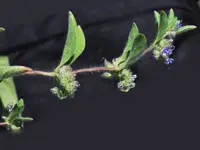
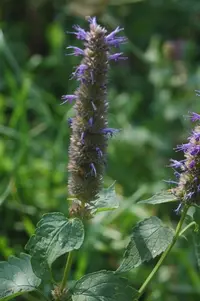
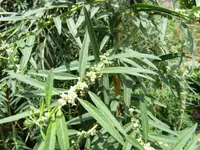
Oblong bluecurls (Trichostema oblongum) is a small, aromatic perennial shrub in the mint family, valued for its fine texture and drought tolerance. It typically forms low, open mounds with narrow, gray-green leaves and distinctive blue, curled flowers that appear along the stems.
This species is native to dry, open habitats in western North America, often on rocky or sandy slopes. It prefers full sun, well-drained soil, and low to moderate moisture, which makes it suitable for water-wise gardens.
These traits generally make it a low-maintenance choice once established, as long as drainage is good and soil is not overly rich. Understanding how to care for oblong bluecurls starts with respecting its dry, sunny native conditions.

Care Difficulty
Moderate Care

Light Preference
Full Sun

Water Requirements
Low Water

Temperature Preference
Warm Climate

Hardiness Zone
7–10

Soil Texture
Sandy, Loamy, Rocky

Soil pH
Slightly acidic (6.5–7.0), Neutral (7.0)

Soil Drainage
Well-drained

Fertilization
Minimal (feed rarely)
Scan your plant to receive care tips personalized for your specific plant
Available on iOS and Android
This sun-loving shrub from dry western habitats performs best with strong, direct light.
This drought-tolerant shrub prefers infrequent, deep watering once established.
This species is adapted to warm, dry summers and cool, relatively mild winters.
This species tolerates a wide humidity range and typically does not need special humidity management.
Trichostema oblongum prefers mineral, fast-draining soil that mimics dry, rocky native sites.
This species can be grown in containers if drainage and root space are carefully managed.
This drought-adapted native shrub needs only light feeding, so avoid rich or frequent fertilization when caring for oblong bluecurls.
Trichostema oblongum responds well to light structural pruning that maintains a compact, flowering form.
This species is most often grown in the ground, with transplanting more common than container repotting.
Trichostema oblongum is commonly propagated from both seeds and softwood cuttings under suitable conditions.
This plant is generally cold hardy in suitable climates and needs only modest winter care.

Plant Health Check
Not sure what's wrong with your plant? Check your plant's health inside the app.
This California native often flowers from late summer into fall, providing nectar and pollen for native bees and other insects when many other chaparral shrubs have already finished blooming.
The leaves and stems carry dense glandular hairs that release a strong resinous scent when touched, a typical feature of Trichostema oblongum that helps reduce herbivory and water loss in its dry habitats.
In the wild it commonly grows on dry, rocky slopes and open woodland edges in the Sierra Nevada and nearby ranges, where its deep root system allows it to persist through hot, drought-prone summers.
This species is a short-lived perennial in most of its native range. Plants often behave like perennials for several seasons but may decline after a few years, especially in wetter climates or poorly drained sites.
Keep your plants happy and healthy with plant identification, disease detection, and easy care guidance.