Korean Mint Care (Agastache rugosa)

Also known as: wrinkled giant hyssop, purple giant hyssop, Indian mint, blue licorice, huo xiang, Chinese patchouli
Korean Mint

About Korean Mint

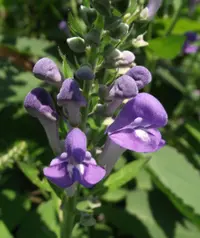
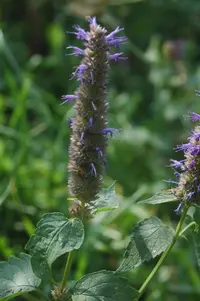
Korean mint, Agastache rugosa, is a perennial herb in the mint family valued for its aromatic foliage and upright flower spikes. It typically forms clumping, bushy growth with square stems, serrated leaves, and purple to lavender flower clusters that attract bees and butterflies.

This species is native to East Asia, including Korea, China, and Japan, where it grows in open fields, forest edges, and sunny slopes. It is generally easy to grow, as it tolerates a range of garden conditions and recovers well from pruning.

The plant prefers sun to light shade, moderately moist but well-drained soil, and benefits from regular deadheading. These traits make it straightforward to care for Korean Mint in home gardens and mixed borders.

Main Plant Requirements

Care Difficulty

Easy Care

Light Preference

Full Sun

Water Requirements

Moderate Water

Temperature Preference

Cold Hardy

Hardiness Zone

5–9

Soil Texture

Sandy, Loamy, Organic-rich

Soil pH

Acidic (5.5–6.5), Slightly acidic (6.5–7.0)

Soil Drainage

Well-drained

Fertilization

Minimal (feed rarely)

Get Personalized Care Plan

Scan your plant to receive care tips personalized for your specific plant

Available on iOS and Android

How to Care for the Korean Mint

This sun-loving perennial thrives in bright, open conditions with protection from extreme afternoon heat in hot climates.

  • Provide 6–8 hours of direct sun daily; morning sun with light afternoon shade suits Korean Mint in hotter regions.
  • In cooler or coastal areas, full sun all day promotes dense growth, stronger stems, and more flowers.
  • It tolerates light partial shade (3–4 hours sun), but stems may stretch and flowering decline if shaded by trees or buildings.

This species prefers evenly moist, free-draining soil that dries slightly between waterings.

  • Outdoors in well-drained beds, water deeply when the top 3–5 cm of soil is dry, then allow excess to drain away fully.
  • Reduce watering in cool or rainy seasons; overwatering shows as yellowing, limp leaves and blackened stem bases in Agastache rugosa.
  • Increase frequency during hot, windy periods if foliage wilts and soil feels dry several centimeters down, but avoid standing water or heavy clay.

This hardy perennial tolerates a wide temperature range but grows best in moderate warmth.

  • Active growth is strongest at 65–80°F (18–27°C), supporting vigorous foliage and flowering.
  • Mature plants survive winter down to about -10°F to -20°F (-23°C to -29°C) in the ground, dying back above soil and resprouting in spring.
  • Short periods above 90°F (32°C) are tolerated if soil is not dry; prolonged heat with drought can cause leaf scorch and reduced flowering.

This species prefers relatively dry air and usually does not need humidity adjustment in typical homes or gardens.

  • Target 30–50% humidity, which matches most indoor environments and many outdoor climates where Korean Mint is grown.
  • Plants tolerate dry air better than high humidity, which can encourage leaf disease and root problems if soil is also wet.
  • Signs of excess humidity include soft, spotting leaves and lingering surface moisture on soil rather than crisp or browned leaf edges.

Agastache rugosa grows best in light, well-drained soil that never stays waterlogged.

  • Use a loose loam or sandy loam with plenty of pores so water drains quickly and roots receive consistent oxygen.
  • Aim for slightly acidic to neutral pH around 6.0–7.5, which supports nutrient availability without causing leaf yellowing from imbalance.
  • Mix garden soil or potting soil with coarse sand and perlite in roughly equal parts to improve drainage and root aeration.
  • Avoid heavy clay or compacted soils; if unavoidable, raise the planting area or create a berm so excess water can move away from the root zone.

This species adapts well to container growing when the pot is set up to avoid soggy conditions.

  • Choose a pot at least 25–30 cm deep so the taproot can extend downward without curling tightly at the base.
  • Select a heavier material such as ceramic or double-pot a lightweight container to prevent tall flowering stems from tipping in wind.
  • Elevate the pot slightly on feet or bricks so drainage holes stay clear and runoff water does not pool under the base.

Agastache rugosa responds well to modest, steady nutrition rather than heavy feeding.

  • Use a balanced, water-soluble fertilizer (for example 10-10-10) at 1/2 strength every 4–6 weeks during spring and summer for caring for Korean Mint.
  • Alternatively, top-dress with a thin layer of compost in early spring to support flowering and leafy growth.
  • Avoid fertilizing in late fall and winter, when growth slows or stops, to prevent weak, frost-sensitive shoots.
  • Ensure soil drains well, since excess fertilizer salts build up more quickly in poorly drained or compacted media.

Pruning Agastache rugosa keeps plants compact, encourages flowering, and maintains good air flow.

  • In late winter or very early spring, cut back old, woody stems to 10–15 cm above the ground using clean, sharp pruners.
  • During the growing season, deadhead spent flower spikes to extend blooming and reduce self-seeding.
  • Remove dead, damaged, or crossing stems whenever noticed to limit disease entry points and improve structure.
  • Lightly shape overgrown clumps after main flowering to maintain size without cutting into hard, old wood.

Agastache rugosa is usually grown in beds or borders, with transplanting more common than frequent repotting.

  • Transplant or up-pot in early spring or early fall, when temperatures are mild and soil is workable.
  • Look for signs such as roots circling the pot, water running off quickly, or slowed top growth as indicators it needs more space.
  • Shift into a container 2–5 cm wider, using a free-draining mix, and gently loosen circling roots without tearing large sections.
  • Water thoroughly after planting, then keep evenly moist but not waterlogged for 1–2 weeks to reduce transplant shock.

Agastache rugosa is commonly propagated by seed, softwood cuttings, or division.

  • Sow seeds indoors in late winter or outdoors in spring on the soil surface, since light improves germination, and keep at 65–70°F.
  • Take softwood stem cuttings in late spring to early summer, use a sterile mix, and maintain high humidity until roots form.
  • Divide mature clumps in early spring or early fall, replanting vigorous sections at the same depth and watering well.
  • Provide bright light, good air movement, and lightly moist but not soggy substrate for all propagation methods.

Agastache rugosa is generally cold hardy in much of the US and needs limited winter care in the ground.

  • In zones near its hardiness limit, apply a 5–8 cm mulch layer around the root zone after the ground cools, keeping mulch off stems.
  • Leaving some stems standing over winter can catch snow and insulate crowns; cut them back in late winter.
  • For container plants in cold regions, move pots into a sheltered, unheated space such as a cold frame or garage to prevent root freeze-thaw cycles.

Care Tips

Pinch For Bushiness

Pinch out the soft shoot tips when plants are 10–15 cm tall to encourage branching, denser foliage, and more flowering spikes later in the season.

Staggered Succession Sowing

Sow small batches every 3–4 weeks in spring to early summer so flowering and fresh leaves are available over a longer period rather than peaking all at once.

Cut-And-Come-Again Harvest

Harvest stems above a pair of healthy leaves rather than plucking single leaves so the plant quickly reshoots and maintains a compact, productive form.

Flower Spike Management

Deadhead spent flower spikes promptly or cut them for indoor use to reduce self-seeding and direct more energy into new growth and a longer bloom season.

Winter Crown Protection

In colder climates, apply a light, airy mulch such as shredded bark or straw around but not on top of the crown in late fall to help plants overwinter without rotting while caring for Korean Mint in exposed beds.

Common Pests and Diseases

Powdery mildew

This disease often appears in late summer in warm, dry conditions with poor air circulation. Symptoms include white, powdery patches on upper leaf surfaces that can cause leaf distortion and reduced flowering.

Solution

Remove and discard heavily infected leaves, thin crowded stems, and avoid overhead watering to keep foliage dry. Improve airflow, water at the base in the morning, and, if needed, apply a sulfur or potassium bicarbonate fungicide labeled for herbs, following all label directions.

Leaf spot

This disease causes small brown, tan, or purplish spots on leaves that may merge and cause premature leaf drop, especially in humid or crowded plantings. Symptoms include unsightly foliage and reduced vigor if many leaves are affected.

Solution

Prune out and discard spotted leaves, keep the plant spaced from neighbors, and water at soil level to keep foliage dry. Clean up fallen debris around the plant and, in persistent cases, use a copper-based fungicide during periods of extended humidity, following label instructions.

Aphids

These insects cluster on young shoots and flower stems, sucking sap and excreting sticky honeydew that can attract sooty mold. This pest may cause curling leaves, stunted growth, and distorted flower spikes, especially on young plants or soft new growth.

Solution

Spray the plant with a strong stream of water to knock aphids off stems and flower spikes, and remove heavily infested shoot tips. If needed, apply insecticidal soap or a light horticultural oil, coating the undersides of leaves and tender stems, and repeat as directed until populations are controlled.

Spider mites

These pests thrive in hot, dry conditions and feed on leaf undersides, causing tiny yellow speckles and a dull, stippled look. Symptoms include fine webbing between leaves and stems and gradual leaf bronzing or drop if the infestation is heavy.

Solution

Rinse foliage thoroughly with water, paying special attention to the undersides of leaves, and increase humidity around the plant if grown in containers. For persistent infestations, use insecticidal soap or a miticide labeled for herbs, repeating applications as needed and rotating products if label guidance suggests.

Rust

This disease shows as small orange, yellow, or brown pustules on the undersides of leaves, often with pale or yellow spots on the upper surface. Symptoms include early leaf yellowing and drop, particularly in dense plantings under prolonged leaf wetness.

Solution

Remove and destroy affected leaves, avoid overhead watering, and space plants to promote fast drying after rain. For recurring problems, apply a labeled rust fungicide at the first sign of symptoms and continue at the recommended interval during humid weather, and rotate crops or move plants if the site remains problematic for Agastache rugosa plant care.

Interesting Facts

Distinct anise aroma

The leaves release a clear anise or licorice-like scent when crushed, caused mainly by volatile compounds such as estragole and related phenylpropanoids common in aromatic herbs.

East Asian native range

This species is naturally distributed across parts of China, Korea, Japan, and the Russian Far East, where it grows in open grasslands, forest margins, and disturbed sites with good light.

High pollinator value

Its long-blooming spikes of purple flowers produce accessible nectar that attracts diverse pollinators, including honey bees, bumblebees, solitary bees, and butterflies throughout much of the summer.

Botan icon

Did you know?

In traditional Korean cuisine and agriculture, this species has been used as both a culinary herb and a companion plant near vegetable plots, valued for its aromatic foliage and its ability to draw pollinating insects into food gardens.

FAQs about Korean Mint

Poor flowering is often caused by low light, excess nitrogen fertilizer, or overcrowding. Ensure at least several hours of sun, avoid high-nitrogen feeds, and divide or thin clumps every few years to maintain strong bloom production.

Grow Healthy Plants with Botan Care

Keep your plants happy and healthy with plant identification, disease detection, and easy care guidance.

Botan plant care app — identify plants on mobile

Explore More Plants