Eyebright Care (Euphrasia officinalis)

Also known as: Rostkov's Eyebright
Eyebright

About Eyebright

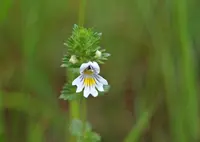
Eyebright, Euphrasia officinalis, is a small annual wildflower often found in meadows, pastures, and grasslands, especially in cooler parts of Europe and North America. It has tiny white or pale lilac flowers with purple veins and a yellow spot, and usually grows low among grasses rather than as a showy garden plant.

This species is hemiparasitic, meaning it taps into the roots of nearby plants for some of its water and nutrients, which makes it more challenging to cultivate in regular gardens or pots. Gardeners who want to care for Eyebright need to provide low-fertility, well-drained soil and full sun, ideally in a mixed meadow setting rather than a conventional flower bed.

Main Plant Requirements

Care Difficulty

Hard Care

Light Preference

Partial Sun

Water Requirements

Regular Water

Temperature Preference

Cool Climate

Hardiness Zone

4–8

Soil Texture

Sandy, Loamy, Silty

Soil pH

Acidic (5.5–6.5), Slightly acidic (6.5–7.0)

Soil Drainage

Moist but well-drained

Fertilization

Minimal (feed rarely)

Get Personalized Care Plan

Scan your plant to receive care tips personalized for your specific plant

Available on iOS and Android

How to Care for the Eyebright

This annual alpine meadow herb prefers bright, cool sun conditions in open sites.

  • Provide 4–6 hours of direct morning sun with light shade or filtered light in the hot afternoon, especially in warmer regions.
  • Tolerates light partial shade, but flowering and compact growth improve in more open positions when growing Eyebright in natural grasslands.
  • Avoid harsh, all-day midsummer sun in dry soils, which scorches foliage; too much shade leads to taller, weak stems and fewer flowers.

This shallow-rooted hemiparasitic herb needs steadily moist but not waterlogged soil.

  • Allow the top 2–3 cm of soil to dry slightly between natural rain events or irrigations, then moisten the root zone without soaking it.
  • Use free-draining, moderately fertile soil; standing water or heavy clay promotes root rot, yellowing foliage, and stunted Euphrasia officinalis plants.
  • In hot, dry weather, increase checks for wilting or dull, folding leaves; in cool, wet seasons, reduce added water and rely more on rainfall.

This cool-temperate annual grows best in mild conditions typical of natural grasslands.

  • Optimal growth occurs around 55–70°F (13–21°C), especially during spring and early summer flowering.
  • Plants tolerate brief drops to about 25°F (-4°C) once established, but hard, prolonged freezes can damage young seedlings and reduce survival.
  • In hot spells above 80–85°F (27–29°C), growth slows; combine slightly higher soil moisture with light afternoon shade to limit heat stress.

This species grows well in typical outdoor humidity and rarely needs special humidity management.

This hemiparasitic wildflower prefers moist, light mineral soils with steady drainage rather than rich potting mixes.

  • Use a lean, sandy or sandy-loam soil with low organic matter, mimicking meadow or grassland conditions.
  • Ensure free drainage; water should pass through quickly without pooling, while the root zone stays evenly moist.
  • Aim for slightly acidic to neutral pH, around 5.5–7.0, avoiding strongly alkaline or limy sites.
  • Improve aeration and drainage by blending native soil with coarse sand or fine grit, not peat-heavy compost.

This species is generally unsuitable for long-term container growing because it relies on attaching to host plant roots in the ground.

This wild hemiparasitic herb usually needs little or no fertilization, especially in native or low-input meadow settings.

Euphrasia officinalis benefits from light, simple pruning to keep plants tidy and support flowering.

  • Best time is during active growth, lightly trimming after the main flush of flowers fades.
  • Remove spent flower spikes, dead or damaged stems, and any diseased material at the base.
  • Use clean, sharp scissors or small snips to avoid crushing the fine stems.
  • Gentle pruning can encourage a neater habit and a modest increase in new flowering shoots.

This species is usually grown in the ground, so transplanting young plants is more common than long-term container culture.

  • Transplant in early spring or early fall when temperatures are mild and moisture is reliable.
  • Move seedlings or young plants before roots become crowded or begin circling in small plugs or cells.
  • Lift with a generous soil plug, disturbing roots as little as possible to reduce transplant shock.
  • Replant into well-drained soil near suitable host grasses, firm gently, and water to settle the roots.

Propagation of this annual hemiparasite is mainly done from seed and can be moderately challenging for beginners.

  • Sow fresh seed in late summer or fall outdoors to allow natural cold stratification over winter.
  • Use a free-draining mix and sow thinly among suitable host grasses to support normal growth.
  • Keep the seedbed evenly moist but not waterlogged until germination in spring.
  • Avoid moving established seedlings too much, as root disturbance can reduce establishment and vigor.

As an annual in most climates, Euphrasia officinalis usually dies back after seed set and needs minimal winter care.

  • In cold regions, allow plants to self-seed naturally and leave seed heads in place until late fall.
  • Avoid heavy mulching directly over seed areas, which can smother developing seedlings.
  • Container-grown plants can be left outdoors; focus on preserving seed rather than plant survival.

Care Tips

Host grass management

Sow Euphrasia officinalis into a low-growing, fine-textured grass mix and keep the grass cut to 5–8 cm so the semi-parasitic roots can access the host without being shaded out.

Shallow sowing technique

Scatter seed on the soil surface of an open, weed-free patch and press lightly with a board or roller instead of covering, since very shallow light exposure improves germination for this species.

Cold stratification prep

For planned sowing, mix seed with slightly damp sand in a labelled bag and refrigerate at 35–40°F for 6–8 weeks to mimic winter and improve germination uniformity when you grow Euphrasia officinalis.

Low-fertility site choice

Choose a naturally lean, unimproved grass area and avoid manure or high-nutrient amendments, since higher fertility strongly favors the host grasses and suppresses Euphrasia growth.

Annual renewal strategy

Allow some plants to finish flowering and set seed, then delay mowing until seed heads are dry and starting to shed, so the population can re-establish itself naturally each year.

Common Pests and Diseases

Powdery mildew

This disease often develops in dense stands of eyebright during warm, dry periods with poor airflow. Symptoms include white, powdery patches on leaves and stems that can reduce vigor and flowering.

Solution

Remove and destroy heavily infected plants to reduce spore spread, and avoid overhead watering so foliage stays drier. Improve air circulation by reducing plant crowding, and if needed apply a sulfur or potassium bicarbonate fungicide labeled for ornamental herbs, following label directions carefully.

Rust

This disease shows as orange to brown pustules on the undersides of leaves, sometimes with yellow spots on the upper surface. Symptoms include premature leaf drop and weakened plants in humid, crowded conditions.

Solution

Promptly remove and dispose of infected leaves and any plant debris at the end of the season to lower inoculum levels. Maintain wider spacing and good airflow, and in areas with recurring issues use a suitable rust-control fungicide preventively at first sign of symptoms as part of broader Euphrasia officinalis care.

Aphids

These insects feed on young shoots and flower stems, sucking sap and causing distortion, sticky honeydew, and reduced growth. This pest is more common on stressed plants growing in overly fertile or sheltered sites.

Solution

Wash colonies off gently with a firm stream of water, repeating every few days until numbers drop. Encourage natural predators such as lady beetles, avoid high-nitrogen fertilization, and if infestations persist use a horticultural soap or ready-to-use neem oil spray, coating stems and leaf undersides thoroughly.

Interesting Facts

Hemiparasitic lifestyle

This species is a root hemiparasite that taps into nearby grasses and herbs with specialized structures called haustoria, drawing water and minerals while still performing its own photosynthesis.

Indicator of low nutrients

In many European grasslands, its presence is associated with relatively low-fertility, unimproved meadows, because it weakens vigorous grasses and can help maintain higher plant diversity.

Taxonomically complex group

Plants referred to as Euphrasia officinalis belong to a very complex species group with many closely related microspecies, and botanists often need detailed floral characters and chromosome counts to identify them precisely.

Botan icon

Did you know?

Historically, this plant was so strongly linked to eyesight in European folklore that its common name eyebright appears in herbals from the Middle Ages onward, and the Latin name Euphrasia is derived from the Greek for cheerfulness, referring to the supposed joy of restored vision.

FAQs about Eyebright

This species is usually an annual in cultivation, completing its life cycle in 1 season and regenerating only from seed. In milder climates it may behave as a short-lived perennial, but individual plants remain relatively short-lived overall.

Grow Healthy Plants with Botan Care

Keep your plants happy and healthy with plant identification, disease detection, and easy care guidance.

Botan plant care app — identify plants on mobile

Explore More Plants