yellow amaranth Care (Helichrysum stoechas)

Also known as: Shrubby Everlasting
yellow amaranth

About yellow amaranth

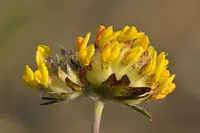
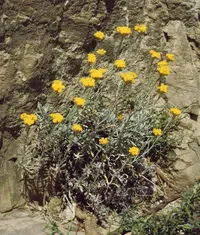
Yellow amaranth, often sold as Helichrysum stoechas, is a compact, sun-loving perennial grown mainly for its bright golden flower clusters and aromatic foliage. It forms low mounds or cushions, making it suitable for borders, rock gardens, and containers.

This species is native to Mediterranean regions, so it is adapted to dry, sunny, and often rocky sites. The plant is relatively easy to grow when kept in well-drained soil and not overwatered.

Gardeners who want to care for yellow amaranth should focus on providing strong light, moderate watering, and soils that do not stay wet for long periods.

Main Plant Requirements

Care Difficulty

Easy Care

Light Preference

Full Sun

Water Requirements

Low Water

Temperature Preference

Warm Climate

Hardiness Zone

8–11

Soil Texture

Sandy, Loamy, Rocky

Soil pH

Slightly acidic (6.5–7.0), Neutral (7.0)

Soil Drainage

Well-drained

Fertilization

Minimal (feed rarely)

Get Personalized Care Plan

Scan your plant to receive care tips personalized for your specific plant

Available on iOS and Android

How to Care for the yellow amaranth

This Mediterranean shrub prefers bright, open conditions and thrives in full sun.

  • Provide 6–8 hours of direct sun daily; morning and early afternoon sun give the best growth and flowering.
  • Plant in a spot with only light afternoon shade in very hot climates, as intense late-day sun can scorch foliage, especially on young yellow amaranth plants.
  • In autumn and winter, accept slightly lower light but avoid dense shade, which leads to leggy, weak stems and fewer blooms.

This species prefers dry to moderately dry conditions and is sensitive to excess moisture.

  • Allow the top 3–5 cm of soil to dry before watering; the soil should feel dry and crumbly, not cool and moist.
  • Water deeply but infrequently, then let excess drain away; yellowing, soft stems or a sour soil smell suggest overwatering and poor drainage.
  • In cooler months or during prolonged rain, reduce or skip watering for Helichrysum stoechas, only watering again after the soil has clearly dried.

This drought-tolerant shrub prefers warm, dry conditions but needs protection from severe cold and extreme heat.

  • Aim for 65–80°F (18–27°C) during active growth for compact plants and steady flowering.
  • Mature plants can survive brief drops to about 20–25°F (-6 to -4°C) in dry, well-drained soil, but young plants are more cold-sensitive and benefit from mulch.
  • In heat above 90°F (32°C), flowering may slow; ensure sharp drainage and avoid heat-reflecting walls that can push temperatures even higher.

Humidity is rarely critical for Helichrysum stoechas, which prefers dry, airy conditions around 30–50%

  • Tolerates typical household dry air and outdoor dry spells better than prolonged damp, stagnant conditions
  • Watch for limp, pale foliage and musty odor after humid, cool periods, which can signal fungal stress rather than dryness
  • If air is consistently above 60% humidity, increase airflow around yellow amaranth with spacing and a small fan rather than adding moisture

Helichrysum stoechas prefers lean, very free-draining soil that stays airy around the roots

  • Use a sandy or gritty mix, such as 50–60% coarse sand or horticultural grit blended with 40–50% regular potting mix
  • Aim for slightly alkaline to neutral pH, roughly 7.0–7.8, and avoid strongly acidic mixes heavy in peat
  • Improve drainage and aeration by adding perlite or small pumice pieces so water runs through within a few seconds
  • Avoid compacted, clay-rich, or water-retentive soils, which promote root rot and weak, overly lush growth

This species is well-suited to container growing when drainage and root space are carefully managed

  • Choose a wide, relatively shallow pot to match its fibrous root system and reduce the risk of water sitting deep in the container
  • Select unglazed terracotta if extra moisture loss is needed, since its porous walls help dry the mix between waterings
  • Secure light containers or balcony pots, as the bushy, top-heavy foliage can catch wind and tip unstable planters

Helichrysum stoechas grows best with light feeding in lean, well-drained soil, so avoid heavy nutrient doses.

  • Use a balanced, low-dose NPK liquid fertilizer at 1/4–1/2 strength every 4–6 weeks in spring and summer for potted plants.
  • In garden soil, apply a thin layer of compost around the root zone once in spring for gentle nutrient support.
  • Reduce feeding to once in late autumn only if the plant is actively growing; avoid fertilizing during winter dormancy.
  • For yellow amaranth indoor care or container plants, a slow-release granular fertilizer in early spring can maintain steady nutrition.

Pruning Helichrysum stoechas keeps the plant compact, encourages branching, and maintains good flowering.

  • Trim lightly in early spring, before strong new growth, to shape the mound and remove winter damage.
  • Cut back spent flower stems to a healthy pair of leaves to prolong blooming and reduce seed formation.
  • Remove dead, diseased, or crowded shoots using clean, sharp hand pruners to maintain airflow and plant health.
  • Avoid cutting into old, woody stems; keep pruning to the leafy, green portions to prevent poor regrowth.

This species is more often grown in garden beds, with container plants needing only infrequent repotting.

  • Check containers every 2–3 years; repot when roots circle the pot, growth slows, or the plant dries out very quickly.
  • Transplant or repot in early spring, choosing a container just 2–5 cm wider with free-draining, sandy mix.
  • Handle the root ball gently, teasing circling roots slightly without breaking them excessively to limit stress.
  • Water thoroughly after transplanting, then keep soil lightly moist, not saturated, for 1–2 weeks while roots re-establish.

Helichrysum stoechas is commonly propagated from semi-ripe cuttings and seeds under warm, bright conditions.

  • Take 5–8 cm semi-ripe stem cuttings in late spring to summer, removing lower leaves and using a free-draining, sandy mix.
  • Insert cuttings into moistened substrate, keep at 65–75°F with bright, indirect light, and maintain high but not stagnant humidity.
  • Sow seeds in spring on the surface of light, gritty compost; press gently and do not bury deeply, as light aids germination.
  • Keep seed trays evenly moist and warm until germination, then increase light gradually to prevent weak, leggy seedlings.

This Mediterranean shrub is moderately cold hardy but benefits from some winter protection in colder regions.

  • Tolerates light frosts but may suffer damage below about 15–20°F, especially in exposed, windy sites.
  • Apply a 3–5 cm layer of dry mulch around the root zone in late autumn, keeping it slightly away from stems.
  • In very cold climates, grow in containers and move plants to a bright, frost-free area for the coldest months.

Care Tips

Pinch For Bushiness

Pinch out soft shoot tips when stems reach about 10–15 cm to encourage dense, dome-shaped plants and more flowering stems rather than tall, leggy growth.

Prevent Woody Centers

Every 1–2 years, replace the oldest plants or take cuttings from outer, non-woody shoots so the planting stays compact and does not develop a bare, woody center.

Improve Drainage Mound

In heavy or borderline soils, plant on a 5–10 cm raised mound or low berm of gritty mix so winter moisture drains away from the crown and roots.

Cool-Season Rejuvenation

In mild-winter climates, give a light trim in late winter to remove wind-burned or stretched tips, which helps the plant flush with fresh, aromatic foliage in spring.

Strategic Companion Placement

Position plants near paths, seating areas, or entryways where brushing against the foliage releases scent and allows easy monitoring for any pest or disease issues when caring for yellow amaranth in mixed plantings.

Common Pests and Diseases

Aphids

This pest feeds on young shoots and flower stems, sucking sap and causing distorted growth and sticky honeydew on foliage. Symptoms include curled tips, slowed growth, and sometimes sooty mold growing on the sugary deposits.

Solution

Spray affected stems with a strong jet of water to dislodge colonies, then apply insecticidal soap or a ready-to-use neem oil product, coating shoot tips and leaf undersides. Encourage natural predators such as lady beetles outdoors and remove heavily infested soft shoot tips to reduce population pressure.

Spider mites

These insects are tiny sap suckers that thrive in hot, dry conditions and can cause fine stippling on leaves, dull foliage color, and fine webbing between stems. Symptoms include a general lack of vigor and bronzing of the aromatic foliage.

Solution

Increase humidity around the plant slightly, then wash foliage thoroughly with lukewarm water to remove mites and webs. Follow with insecticidal soap or horticultural oil, repeating every 5–7 days until new growth appears clean, and avoid prolonged drought stress which favors outbreaks when you grow Helichrysum stoechas in containers.

Leaf spots

This disease is usually fungal and causes small brown, tan, or dark spots on the narrow leaves, sometimes with yellow halos. Symptoms include premature leaf drop on lower stems, especially in humid, crowded plantings with poor airflow.

Solution

Remove and discard affected leaves and any fallen debris around the base to reduce spore sources. Improve air circulation, avoid overhead watering, and if the problem persists in wet weather, use a labeled copper or sulfur fungicide, applying only to well-hydrated plants during cooler parts of the day.

Botrytis blight

This disease is a gray mold that appears on dense, old foliage or spent flower heads during cool, damp periods. Symptoms include soft, brown patches on leaves and stems covered with fuzzy gray spores, often starting on aging or damaged tissue.

Solution

Cut off and discard all affected stems and flower heads, thinning crowded growth so air can move through the plant. Keep foliage as dry as possible by watering at the base, and in persistent wet conditions consider a preventive fungicide labeled for ornamentals, applied according to label directions.

Interesting Facts

Mediterranean coastal specialist

This species is naturally adapted to dry, sandy, and often salty coastal habitats around the western Mediterranean, where few broad-leaved shrubs can tolerate summer drought and high light levels as effectively.

Strong curry-like scent

The foliage releases a pronounced curry-like aroma when touched due to volatile aromatic compounds in the leaves, although it is not botanically related to true curry plants or curry tree species.

Everlasting flower heads

The small yellow flower heads are long-lasting and dry well while largely retaining their color, which is why they have been traditionally used in Mediterranean regions for dried bouquets and wreaths.

Botan icon

Did you know?

In parts of its native range, this species often forms low, dense stands that play a role in stabilizing coastal dunes and rocky slopes, helping reduce soil erosion in exposed, windy sites.

FAQs about yellow amaranth

This species performs best outdoors in full sun, good air movement, and free-draining soil. Indoors it tends to become leggy and short-lived, so yellow amaranth indoor care is generally less reliable than outdoor cultivation.

Grow Healthy Plants with Botan Care

Keep your plants happy and healthy with plant identification, disease detection, and easy care guidance.

Botan plant care app — identify plants on mobile

Explore More Plants