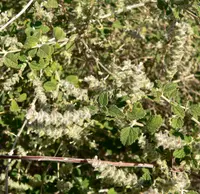
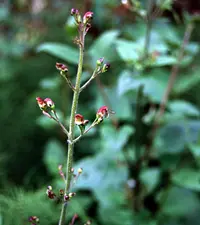
White Justicia Care (Justicia gendarussa)

White Justicia

About White Justicia

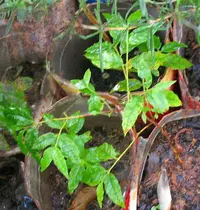
White Justicia, Justicia gendarussa, is a small, shrubby plant grown mainly for its narrow, lance-shaped leaves and fine, upright form. It often has dark green to purplish foliage that gives a delicate, airy look in containers or mixed plantings.

This species is native to tropical and subtropical Asia and prefers warm, frost-free conditions. It tends to grow quickly in stable warmth and can become leggy without regular pruning.

In cultivation it responds well to bright, filtered light, evenly moist but well-drained soil, and good airflow. These traits make it moderately easy to grow if the owner understands how to care for White Justicia in a stable indoor or outdoor environment.

Main Plant Requirements

Care Difficulty

Moderate Care

Light Preference

Partial Shade

Water Requirements

Regular Water

Temperature Preference

Tropical / Frost Sensitive

Hardiness Zone

10–11

Soil Texture

Loamy, Sandy, Organic-rich

Soil pH

Acidic (5.5–6.5), Slightly acidic (6.5–7.0)

Soil Drainage

Moist but well-drained

Fertilization

Light (every 4–6 weeks)

Get Personalized Care Plan

Scan your plant to receive care tips personalized for your specific plant

Available on iOS and Android

How to Care for the White Justicia

Justicia gendarussa prefers bright, gentle light that mimics dappled tropical sun.

  • Provide 3–5 hours of morning sun with bright, filtered light or light shade the rest of the day; strong afternoon sun can scorch leaves, especially on White Justicia forms.
  • In hot summers, protect from sun between 11 a.m. and 4 p.m. using light shade from trees, shade cloth, or a north/east-facing exposure.
  • If stems stretch, leaves pale, or flowering declines, light is too low; move to a brighter spot, especially in shorter winter days.

This shrub likes steadily moist but not saturated soil.

  • Water when the top 2–4 cm of soil feels dry, aiming for evenly damp soil that does not stay glossy-wet or form puddles.
  • Use well-drained soil that allows excess water to run off; persistent soggy conditions cause yellowing leaves, soft stems, and root rot.
  • In cooler months or cloudy spells, let the surface dry a bit more; drooping, crisp leaves indicate underwatering, while yellowing and leaf drop suggest overwatering in Justicia gendarussa.

This species grows best in warm, frost-free conditions.

  • Aim for 70–85°F (21–29°C) for active growth; it tolerates brief heat to about 90–95°F (32–35°C) if soil moisture is maintained and roots are mulched.
  • Protect from cold below 55°F (13°C); leaf damage often appears near 45–50°F (7–10°C), and true frost can kill top growth or the whole plant.
  • In regions with cool winters, treat it as a tender shrub, moving container plants indoors above 60°F (16°C) or providing sheltered microclimates outdoors.

This species benefits from moderate humidity but adapts to typical home conditions.

  • Aim for 40–60% humidity for steady growth and better foliage density in White Justicia.
  • Tolerates short spells of drier air, but prolonged levels below 35% can cause leaf edge browning and tip scorch.
  • Increase local humidity with a nearby tray of water and pebbles or by grouping plants rather than misting heavily.

Justicia gendarussa prefers a loose, well‑aerated mix that drains quickly yet retains some moisture.

  • Use a base of loamy potting mix amended with 20–30% perlite and a small amount of fine bark for structure and aeration.
  • Aim for slightly acidic to neutral pH, around 6.0–7.0, to support nutrient availability and root health.
  • Incorporate 10–20% compost or leaf mold to increase organic matter and moisture retention without causing waterlogging.
  • Avoid heavy clay, compacted mixes, or pots that stay wet for more than 2 days after watering, which encourages root rot.

This shrub is well suited to container culture for patios and small spaces.

  • Choose a container slightly wider than the root ball so roots can spread without leaving large unused, soggy zones of mix.
  • Select a heavier clay or ceramic pot outdoors to keep the plant stable against wind as top growth becomes bushy.
  • Ensure the potting mix sits above the rim of the drainage holes so water exits freely and does not pool at the base.

Justicia gendarussa benefits from light, consistent nutrition during active growth for fuller foliage.

  • Use a balanced liquid fertilizer (for example 10-10-10) at 1/2 strength every 3–4 weeks in spring and summer.
  • Alternatively, apply a thin layer of mature compost or a low-dose slow-release fertilizer at the start of the growing season.
  • Pause feeding in winter or dormancy, except for very light monthly dilution if growth continues indoors.
  • Water before and after feeding White Justicia to limit root burn and improve nutrient uptake.

Justicia gendarussa responds well to modest pruning that keeps the plant compact and encourages bushy growth.

  • Carry out main pruning in late winter or early spring before vigorous new growth starts.
  • Remove dead, damaged, or crossing stems first, then shorten long, leggy shoots to shape the plant.
  • Use clean, sharp hand pruners to make angled cuts just above a leaf node.
  • Light trimming after flowering can improve branching and maintain a dense, ornamental form.

Container-grown Justicia gendarussa appreciates timely repotting to prevent root congestion and stalled growth.

  • Check for roots circling the pot, pushing through drainage holes, or for slowed growth as signs it needs repotting.
  • Plan to move to a pot 1–2 in wider every 1–2 years in spring, using a free-draining peat-free mix.
  • Water well the day before repotting, then gently loosen and untangle circling roots to reduce stress.
  • After transplanting, firm the new medium lightly, water thoroughly, and keep in bright, indirect light for 5–7 days.

This species is commonly propagated from stem cuttings for consistent new plants.

  • Take 8–12 cm semi-ripe stem cuttings in late spring or summer from healthy, non-flowering shoots.
  • Remove lower leaves, optionally dip the cut end in rooting hormone, and insert into a sterile, moist, well-drained mix.
  • Maintain 70–80°F, high humidity, and bright, indirect light until roots form in 3–6 weeks.
  • Division of dense clumps in warm weather is also possible, keeping roots shaded and evenly moist afterward.

Justicia gendarussa is frost-tender and needs protection in regions with cold winters.

  • Move containers indoors before temperatures drop below 50°F, placing them in bright, indirect light.
  • Keep indoor temperatures around 60–70°F and reduce watering so the soil stays slightly moist, not wet.
  • In mild climates, apply a 5–8 cm mulch layer outdoors to insulate the root zone from brief cool spells.

Care Tips

Regular stem renewal

Every 1–2 years, cut back a few of the oldest, woodiest stems close to the base in early spring to stimulate fresh, bushy growth and maintain a dense outline.

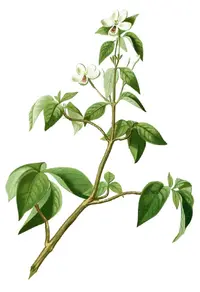
Soft-tip pinching

Pinch off just the soft tip (1–2 nodes) of fast-growing shoots through the warm season to keep the plant compact and encourage more lateral branches with foliage and flowers.

Targeted wind protection

In outdoor plantings, use low windbreaks such as lattice, shrubs, or shade cloth on the windward side to reduce stem breakage and leaf scorch without greatly reducing light levels.

Preventive pest scouting

Inspect the undersides of leaves and young stems weekly during warm months with a hand lens if possible, so that any early spider mite or whitefly activity is detected and treated before populations build.

Simple propagation backup

Take a few 8–10 cm semi-ripe cuttings from healthy, non-flowering shoots in late spring or early summer and root them in a small pot of clean, moist propagation mix to keep a backup clone in case the mother plant declines, which is particularly useful when growing White Justicia in containers.

Common Pests and Diseases

Whitefly

This pest feeds on the underside of tender Justicia leaves, causing yellowing, leaf curling, and sticky honeydew that can lead to sooty mold. Infestations are common in warm, sheltered positions and greenhouse or indoor conditions.

Solution

Control whitefly by regularly inspecting leaf undersides, removing heavily infested leaves, and using a strong stream of water to dislodge adults and nymphs. For ongoing Justicia gendarussa plant care, apply insecticidal soap or horticultural oil on both sides of leaves every 7–10 days until the population is reduced, and increase airflow around the plant to discourage reinfestation.

Spider mites

These insects thrive in hot, dry conditions and cause fine stippling, bronzing, and a dull, dusty look on leaves, often with fine webbing between stems and foliage. Symptoms include slow growth and premature leaf drop when populations are high.

Solution

Manage spider mites by raising humidity, rinsing foliage thoroughly with lukewarm water, and wiping leaves to remove webs and mites. Follow up with horticultural oil or insecticidal soap applied to all leaf surfaces, repeating weekly until new growth appears clean and mite activity stops.

Aphids

These insects cluster on young shoots and flower spikes, sucking sap and causing distorted new growth and sticky honeydew deposits. Ant activity on stems often signals an aphid problem.

Solution

Reduce aphid numbers by pinching off or pruning heavily infested shoot tips and washing remaining stems and leaves with a firm spray of water. If populations persist, treat with insecticidal soap or neem oil, making sure to coat tender new growth, and limit high-nitrogen fertilization that encourages soft, aphid-prone shoots.

Leaf spot

This disease causes small water-soaked lesions that enlarge into brown or purplish spots on leaves, sometimes with yellow halos. In humid conditions, spots may merge, leading to partial defoliation and weakened plants.

Solution

Manage leaf spot by removing and discarding affected leaves, avoiding overhead watering, and ensuring good spacing and airflow around plants. If the problem recurs, apply a copper-based fungicide labeled for ornamental foliage plants according to label directions, and keep foliage as dry as possible during extended humid periods.

Sooty mold

This disease is a secondary problem that develops on the sugary honeydew secreted by sap-feeding insects, leaving black, soot-like growth on leaf surfaces. Symptoms include reduced photosynthesis, dull foliage, and a generally unhealthy appearance despite leaves often remaining structurally intact.

Solution

Control sooty mold by first managing the underlying insect pests such as whiteflies and aphids, then gently wiping or washing leaves with lukewarm water and a mild, plant-safe soap solution. Improve air circulation and light exposure to help foliage dry quickly and reduce the chance of mold reestablishing.

Interesting Facts

Naturally narrow leaves

This species has slender, willow-like leaves with a high ratio of length to width, which increases surface area for photosynthesis while allowing efficient cooling and reduced wind resistance in its native tropical habitats.

Alkaline-loving shrub

Unlike many tropical ornamentals that prefer acidic media, this plant often grows well in slightly alkaline soils, which is why it is frequently found thriving in calcareous or lime-influenced substrates in parts of its native range.

Pollinator-oriented flowers

Its tubular, white to pale-lilac flowers with purple markings are adapted for small insect pollinators, guiding them toward nectar and positioning them to transfer pollen effectively between plants, which is useful to understand when trying to grow Justicia gendarussa from seed.

Botan icon

Did you know?

In parts of South and Southeast Asia, this species has been cultivated in home gardens for generations as a culturally valued shrub, leading to local selection of forms with denser branching and more abundant flowering compared to many wild populations.

FAQs about White Justicia

In warm, frost‑free climates this plant often flowers repeatedly through the growing season, especially if lightly pruned after a flush of blooms. In cooler areas, flowering is more seasonal, mainly in warmer months when growth is active.

Grow Healthy Plants with Botan Care

Keep your plants happy and healthy with plant identification, disease detection, and easy care guidance.

Botan plant care app — identify plants on mobile

Explore More Plants