Hedge Artemisia Care (Artemisia arborescens)

Hedge Artemisia

About Hedge Artemisia

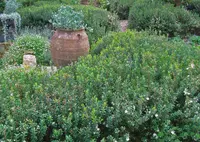
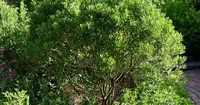
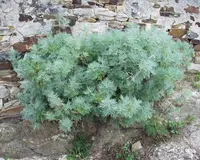
Hedge Artemisia (Artemisia arborescens) is an evergreen woody shrub grown for its finely divided, silver-gray foliage and strong aromatic scent. It forms a dense, upright to arching mound that can be shaped as a low hedge or kept as a specimen plant.

In the wild, it occurs mainly around the Mediterranean, often in dry, coastal or rocky habitats. The plant is generally robust where winters are mild, but less tolerant of very cold, wet conditions.

Fast growth, drought tolerance once established, and resistance to many pests make it relatively easy to manage, provided drainage is good. Those who want to care for Hedge Artemisia should note that it prefers full sun, lean soil, and avoids prolonged waterlogging.

Main Plant Requirements

Care Difficulty

Easy Care

Light Preference

Full Sun

Water Requirements

Low Water

Temperature Preference

Warm Climate

Hardiness Zone

8–10

Soil Texture

Sandy, Loamy, Rocky

Soil pH

Slightly acidic (6.5–7.0), Slightly alkaline (7.0–7.5)

Soil Drainage

Well-drained

Fertilization

Minimal (feed rarely)

Get Personalized Care Plan

Scan your plant to receive care tips personalized for your specific plant

Available on iOS and Android

How to Care for the Hedge Artemisia

Artemisia arborescens thrives in bright, direct sun in most temperate climates.

  • Provide 6–8 hours of direct sun daily; full sun promotes dense, silvery foliage and strong branching.
  • Hedge Artemisia tolerates light afternoon shade in hot regions, especially where summer highs are intense, but growth may be slightly looser.
  • Avoid deep shade, which leads to weak, stretched stems; in winter, ensure the site remains as open and south-facing as possible to maximize low-angle light.

Artemisia arborescens prefers dry to moderately dry soil and is highly drought tolerant once established.

  • Allow the top 5–7 cm of soil to dry before watering; soil should feel dry and crumbly rather than cool and moist.
  • Water deeply but infrequently during the first growing season, then reduce to occasional watering only during extended droughts.
  • Overwatering shows as yellowing, soft stems, or root rot odor; underwatering shows as limp, crisping leaves, yet the plant usually recovers after a thorough soak.

This shrub prefers mild, dry conditions and tolerates a fairly wide temperature range once established.

  • Optimal growth occurs around 60–75°F (16–24°C), especially in spring and early summer when soil is well drained.
  • Mature plants can survive brief drops to about 15–20°F (-9 to -6°C), but young specimens benefit from protection during hard frosts.
  • Heat tolerant up to about 95°F (35°C) if soil is not waterlogged; in prolonged heat waves, light afternoon shade and avoiding overhead watering in peak sun reduce stress.

This shrub handles low humidity well and rarely needs special moisture control indoors or outdoors.

  • Target 30–50% humidity, which matches most heated or air-conditioned homes.
  • Dry air is usually tolerated; leaf scorch at tips suggests combined stress from low humidity and strong sun or heat.
  • If foliage shows crispy margins indoors, group plants or place a wide water tray nearby to slightly raise local humidity without wetting leaves.

This Mediterranean shrub prefers lean, sharply drained soil that mimics its native, rocky habitat.

  • Use a sandy or gritty loam with low to moderate organic matter to avoid waterlogging around the roots.
  • Aim for pH 6.5–8.0, which suits Artemisia arborescens and supports its tolerance of slightly alkaline conditions.
  • Combine roughly 50% coarse sand or fine gravel, 30–40% regular potting mix, and 10–20% compost for structure and nutrients without excess richness.
  • Avoid heavy clay, peat-heavy, or compacted mixes; improve drainage and aeration with extra perlite, pumice, or grit wherever water lingers after watering.

This species is suitable for container growing in sunny, open sites.

  • Choose a broad, heavy pot so the woody, upright shrub remains stable in wind and does not tip as it gains height.
  • Select unglazed clay if faster moisture loss is needed in wet climates, or thicker plastic if water evaporates very quickly in hot, exposed spots.
  • Fill the pot only with very free-draining mix, then elevate it slightly on feet or bricks so drainage holes never sit in standing water.

This drought-tolerant shrub needs only light feeding, as excessive nutrients weaken growth and scent of Hedge Artemisia.

  • Use a balanced, slow-release fertilizer (such as 10-10-10) or a thin layer of compost in early spring.
  • Feed established plants once per growing season in poor soils; skip feeding in rich or amended beds.
  • Apply at half the labeled strength to avoid soft, floppy growth and salt buildup.
  • Stop fertilizing in late summer so new growth hardens before winter and dormancy.

Pruning Artemisia arborescens maintains its tidy, airy form and keeps stems vigorous.

  • Cut back lightly in late winter or very early spring before new growth extends.
  • Remove dead, damaged, or crossing stems first, then thin crowded interior shoots for airflow.
  • Shorten overly long branches to shape the shrub, keeping some older wood for structure.
  • Use clean, sharp hand pruners and make angled cuts just above a healthy bud or side shoot.

This shrub is usually grown in the ground, with transplanting done mainly to adjust spacing or site.

  • Transplant in early spring or early fall when temperatures are mild and soil is workable.
  • Look for slow growth, poor vigor, or roots circling the container as signs a potted plant needs a larger pot.
  • Move up only 1–2 pot sizes, using a sharply drained mix, and keep the root ball as intact as possible.
  • Water thoroughly after planting, then keep soil slightly moist for 1–2 weeks to reduce transplant shock.

New Artemisia arborescens plants are most reliable from semi-ripe cuttings, with division and seed as secondary methods.

  • Take 7–10 cm semi-ripe stem cuttings in late spring to late summer, avoiding flowering tips.
  • Strip lower leaves, dip the base in rooting hormone, and insert into a gritty, well-drained medium.
  • Maintain bright, indirect light, high humidity, and temperatures around 65–75°F until roots form.
  • Divide older clumps in early spring or sow fresh seed on the surface of free-draining mix, barely covering.

Mature plants are fairly frost tolerant in mild climates but benefit from basic winter precautions in colder areas.

  • Hardy roughly to 15–20°F, with top damage possible in prolonged freezes or wet, cold soil.
  • Apply a 5–8 cm layer of dry mulch around the root zone in late fall, keeping it off the stems.
  • In regions with hard freezes, grow in containers and move plants to a bright, cool, frost-free spot.

Care Tips

Wind-shaped structure

In windy coastal or exposed sites, allow some natural wind shaping but selectively thin only the most congested interior shoots so branches become flexible rather than top-heavy and prone to snapping.

Low hedge training

To form a dense, low screen, pinch back new tips by 2–3 in several times in the first growing season so the plant branches from low down rather than running up on tall, bare stems.

Salt and spray tolerance

Near roads treated with de-icing salt or by the sea, hose foliage lightly after storms to remove salt spray and reduce leaf burn, especially on young plants.

Woody base renovation

If the plant becomes bare and woody at the base, stagger rejuvenation pruning over 2–3 years by cutting back only one-third of the oldest stems each spring to stimulate new shoots without shocking the plant.

Propagation insurance

Take semi-ripe cuttings in late summer from non-flowering side shoots 8–10 cm long, and root them in a very free-draining mix as a backup in case an older specimen declines, which is a practical approach when growing Hedge Artemisia in small gardens.

Common Pests and Diseases

Aphids

These insects suck sap from young shoots and flower stems, causing curling, distortion, and sticky honeydew that can lead to sooty mold on foliage.

Solution

Spray affected stems with a strong stream of water to dislodge colonies, then treat remaining insects with insecticidal soap or a light horticultural oil, repeating weekly until new growth is clean; encourage natural predators such as lady beetles by avoiding broad-spectrum insecticides nearby.

Leaf miners

These insects tunnel inside the soft leaves, creating pale winding trails and blotches that reduce the ornamental value of the foliage.

Solution

Remove and dispose of affected leaves as soon as mines appear to interrupt the insect life cycle, and use a systemic or contact insecticide labeled for leaf miners only if damage becomes extensive, focusing on new growth during active infestation periods.

Botrytis blight

This disease develops in cool, damp conditions, causing water-soaked spots on leaves and stems that quickly turn brown and may develop gray fuzzy mold.

Solution

Prune out and discard affected tissue, improve air circulation and sun exposure around the plant, avoid overhead watering, and if wet weather persists, apply a fungicide labeled for Botrytis on ornamentals according to Artemisia arborescens care instructions and local guidelines.

Powdery mildew

This disease produces a white to gray powdery coating on leaves and young stems, which can lead to yellowing and premature leaf drop under prolonged infection.

Solution

Increase airflow by thinning crowded stems, avoid frequent late-day overhead watering, remove heavily affected leaves, and apply a sulfur or potassium bicarbonate fungicide labeled for powdery mildew if symptoms continue to spread.

Spider mites

These pests thrive in hot, dry conditions, causing fine stippling, a dull appearance of the silvery foliage, and sometimes delicate webbing between leaves and stems.

Solution

Rinse foliage thoroughly with water, including the undersides of leaves, to knock down mite populations, slightly increase ambient humidity if grown in very dry conditions, and use insecticidal soap or a miticide labeled for spider mites when repeated rinsing does not stop new damage.

Interesting Facts

Strongly aromatic foliage

This species produces highly aromatic, silver-grey leaves rich in volatile compounds such as thujone and camphor-like terpenes, which help deter many herbivores and some insect pests in its native Mediterranean habitats.

Natural coastal shrub

It is naturally adapted to windy, salty Mediterranean coasts, where its deep root system and flexible branches allow it to tolerate sea spray and poor, rocky soils that would stress many other shrubs.

Traditional dye source

In some Mediterranean regions, its foliage has been documented as a traditional source of greenish-yellow dyes used for coloring textiles, taking advantage of pigments and tannins present in the leaves.

Botan icon

Did you know?

In traditional Mediterranean gardening, this species has long been valued as a protective hedge plant, where its dense, resinous foliage can reduce wind, trap airborne salt, and subtly influence nearby plant communities through allelopathy, the chemical inhibition of neighboring plants.

FAQs about Hedge Artemisia

Brown leaves usually result from prolonged drought, hot drying winds, or accumulated salt from fertilizers. Check soil moisture, reduce feeding, and prune dead tips. New growth often returns once stress is removed and roots stabilize.

Grow Healthy Plants with Botan Care

Keep your plants happy and healthy with plant identification, disease detection, and easy care guidance.

Botan plant care app — identify plants on mobile

Explore More Plants