poverty brome Care (Bromus sterilis)

Also known as: Barren Brome
poverty brome

About poverty brome

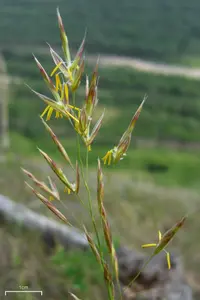
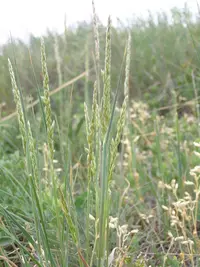
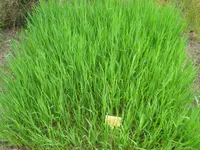
Poverty brome, Bromus sterilis, is an annual grass species often found in waste ground, disturbed soil, roadsides, and farmland margins. It forms loose clumps with slender, arching stems and fine, drooping seed heads that give it a delicate, wispy look.

This grass is native to parts of Europe and western Asia but has naturalized widely in North America, especially in cooler temperate regions. It grows quickly, sets abundant seed, and can spread easily in open, sunny sites.

Bromus sterilis is generally easy to grow in full sun with well-drained, moderately fertile soil, and it tolerates poor, dry conditions. Gardeners who want to care for poverty brome mainly need to manage its self-seeding habit to prevent unwanted spread.

Main Plant Requirements

Care Difficulty

Easy Care

Light Preference

Full Sun

Water Requirements

Low Water

Temperature Preference

Cold Hardy

Hardiness Zone

4–8

Soil Texture

Sandy, Loamy, Clay

Soil pH

Slightly acidic (6.5–7.0), Slightly alkaline (7.0–7.5)

Soil Drainage

Well-drained

Fertilization

Minimal (feed rarely)

Get Personalized Care Plan

Scan your plant to receive care tips personalized for your specific plant

Available on iOS and Android

How to Care for the poverty brome

This annual grass prefers open, bright sites with direct sun for strong growth.

  • Provide 6–8 hours of direct sun daily; full sun promotes dense Bromus sterilis stands and good seed production.
  • Tolerates light partial shade, especially with morning sun and dappled afternoon light, but plants become taller and looser with less than 4–5 hours direct exposure.
  • In hot summers, protect from intense late-afternoon sun on very dry soils to limit scorching; winter–early spring seedlings benefit from maximum unobstructed light.

This species prefers dry to moderately moist soil and is adapted to low-input watering.

  • Let the top 3–5 cm of soil dry between natural rainfall or irrigation; poverty brome usually thrives on rainfall alone in many climates.
  • Use free-draining, gritty or sandy soil so water does not pool around roots; avoid compacted, waterlogged sites that promote root rot and weak growth.
  • In cool, moist seasons, additional watering is rarely needed; in hot, prolonged drought, monitor for wilting or grayish leaves and apply a deep soak rather than frequent light splashes.

This cool-season annual grass grows best in mild conditions and tolerates notable cold.

  • Optimal growth occurs around 50–68°F (10–20°C), especially in spring and fall when soil moisture is moderate.
  • Seeds can germinate from about 41°F (5°C); established plants usually tolerate short drops near 20°F (-7°C) with only minor leaf damage.
  • Growth slows markedly above 80–86°F (27–30°C); extended hot, dry periods can hasten seed set and senescence, so expect plants to brown and die back as summer heat intensifies.

Humidity is not a significant factor for Bromus sterilis, which is adapted to dry, open sites.

This annual grass prefers dry, open ground with low fertility and is highly tolerant of poor, disturbed soils.

  • Use a light, gritty mix with sandy or loamy texture to prevent water retention and compaction.
  • Ensure very sharp drainage by blending mineral topsoil with coarse sand or fine gravel at roughly 2:1.
  • Aim for slightly acidic to neutral pH around 6.0–7.5, avoiding very acidic or strongly alkaline conditions.
  • Do not add heavy amounts of compost or manure, which encourage rank, floppy growth and reduce drought tolerance in Bromus sterilis.

This species is suitable for short-term container growing, mainly for observation or seed collection rather than ornamental display.

  • Choose a relatively wide, shallow container to accommodate its fibrous root system and spreading clumps without crowding.
  • Use a rigid, heavier pot material to prevent tipping when the mature seed heads become tall and wind-sensitive.
  • Position containers in a fully exposed, breezy location so foliage dries quickly after rain and fungal issues stay minimal when you grow Bromus sterilis.

This annual grass usually needs no fertilizer in open ground, as it thrives on poor soils.

Pruning for Bromus sterilis focuses on limiting spread and tidying growth rather than shaping.

  • Cut seed heads before they fully mature in late spring–early summer to reduce self-seeding.
  • Shear or mow plants close to the ground after flowering to remove spent, dry foliage.
  • Use clean hand shears or a scythe-type tool for patches, avoiding tearing or pulling clumps.

Transplanting this annual is mainly relevant when managing sown patches or moving young plants.

  • Transplant in early spring when seedlings have 2–3 true leaves and soil is cool and moist.
  • Choose a sunny, well-drained site; disturb roots as little as possible when lifting and replanting clumps.
  • Water gently after transplanting and keep soil evenly moist for 7–10 days to reduce shock.
  • Avoid frequent moving; once established, plants complete their life cycle in place within 1 season.

Reproduction for Bromus sterilis is almost entirely by seed rather than vegetative methods.

  • Collect seed heads when they turn tan and dry, before they shatter and drop.
  • Sow fresh seeds in fall or very early spring onto well-drained soil, barely covering them.
  • Ensure full sun and consistent light moisture for germination in cool conditions, around 50–60°F.
  • Thin dense seedlings to improve airflow and reduce competition, leaving 10–15 cm between plants.

This annual grass is cold tolerant and generally needs no special winter care in the ground.

  • Allow established plants or self-sown seedlings to experience natural cold; frost usually does not harm them.
  • For container patches, keep pots in a sunny, sheltered spot to avoid waterlogged, frozen media.
  • Reduce watering in winter so soil stays slightly moist but never saturated.

Care Tips

Early-season thinning

Thin dense spring seedlings to roughly 8–10 cm spacing to improve air movement, reduce foliar disease, and allow stronger individual plants to develop seed heads fully.

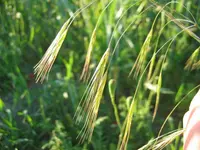
Targeted seed collection

For population maintenance rather than spread, cut and bag mature seed heads before they shatter, then dry and store them in paper envelopes in a cool, dry place for controlled sowing in future seasons.

Controlled self-seeding

If growing poverty brome in a managed area, leave only a limited strip of plants to set seed and mow or cut surrounding plants just before seeds harden to prevent aggressive self-seeding into unwanted spaces.

Stand rejuvenation mow

Once plants have browned and seeds have been collected or dispersed, mow or cut the stand low and remove debris to reduce overwintering pests and create a clean surface for new seedlings next season.

Patch monitoring routine

Walk the stand every 2–3 weeks during active growth to flag patches with poor vigor, off-color leaves, or excessive lodging, then adjust local traffic, drainage, or competition in those spots to fine-tune Bromus sterilis care at site level.

Common Pests and Diseases

Leaf rust

This disease causes small yellow to orange pustules on leaves that can merge into larger patches, leading to premature leaf death and reduced vigor. Symptoms include a dusty spore layer that rubs off on fingers or clothing.

Solution

Remove and destroy heavily infected plants or leaf debris to reduce spore carryover, and avoid overhead irrigation that keeps foliage wet. In field situations, reduce dense, stressed stands through lower seeding rates and balanced nutrition; in managed plantings, improve airflow and rotate away from previously infected grass areas.

Powdery mildew

This disease produces a white to gray powdery growth on leaf surfaces, especially in dense, humid stands with poor air circulation. Symptoms include distorted or stunted foliage when infection is severe.

Solution

Thin overcrowded patches and increase airflow by mowing or trimming adjacent vegetation, and avoid excess nitrogen fertilization that promotes lush, susceptible growth. Remove and discard heavily infected material, and use labeled fungicides only if the grass is being intentionally maintained and nonchemical measures are insufficient.

Barley yellow dwarf virus

This disease causes yellowing or reddening of leaf tips and margins, stunting, and reduced tillering, often in irregular patches. Symptoms include poor growth even under adequate water and nutrients.

Solution

Manage aphid vectors by encouraging natural predators and avoiding unnecessary insecticide use that disrupts beneficial insects. In production or restoration settings, remove or overseed severely affected patches and avoid planting new grasses immediately adjacent to known infected stands.

Aphids

These insects feed on sap from young stems and leaves, causing slight yellowing, curling, and reduced vigor in dense stands. This pest also excretes sticky honeydew that can promote sooty mold on nearby plants.

Solution

Encourage lady beetles, lacewings, and other natural predators by minimizing broad-spectrum insecticides and maintaining plant diversity nearby. For small patches, wash colonies off with a firm stream of water or cut and remove heavily infested stems before populations build up and spread viruses.

Grasshoppers

These insects chew irregular holes or entire sections from leaves and stems, which can thin stands and reduce seed production when populations are high. Symptoms include ragged foliage and visible insects moving when disturbed.

Solution

Mow or graze surrounding vegetation early in the season to reduce egg and nymph habitat, and patch-seed any severely defoliated areas to maintain ground cover. In larger infestations, use physical barriers around high-value plots or apply bait formulations targeted to grasshoppers while following local guidance for non-target safety when choosing how to take care of poverty brome.

Interesting Facts

Self-pollinating grass

Bromus sterilis typically self-pollinates, with flowers that often remain partially closed, which helps the species maintain stable populations even in disturbed or isolated sites.

Distinctive awned seeds

Its spikelets carry long, slender awns that become sharply angled when dry, allowing the seeds to catch on fur, clothing, and soil cracks, aiding rapid local spread along field margins and paths.

Waste-ground specialist

This species is strongly associated with nutrient-enriched, disturbed ground such as roadsides, building sites, and arable field edges, where it can quickly colonize bare soil before more competitive perennials establish.

FAQs about poverty brome

This grass establishes quickly from seed, often completing its life cycle in a single season. Under suitable conditions it germinates, tillers, and sets seed within a few months, so stands can appear dense in a relatively short time.

Grow Healthy Plants with Botan Care

Keep your plants happy and healthy with plant identification, disease detection, and easy care guidance.

Botan plant care app — identify plants on mobile

Explore More Plants