hairy woodland brome Care (Bromus pubescens)

hairy woodland brome

About hairy woodland brome

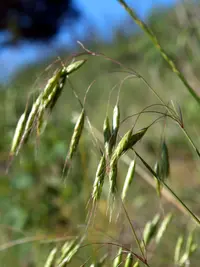
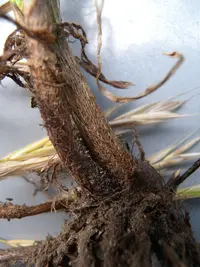
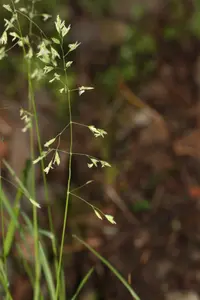
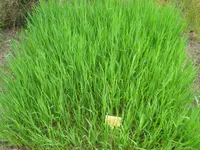
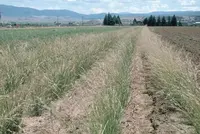
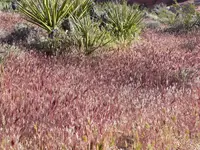
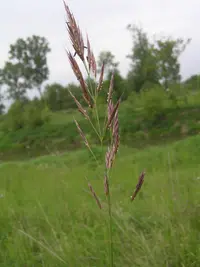
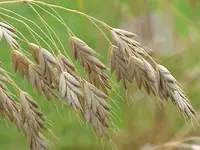
Hairy woodland brome (Bromus pubescens) is a cool-season, clumping perennial grass found in shaded woods and forest edges. It forms loose, arching tufts with softly hairy leaves and stems.

This species is native to North America and typically grows under deciduous trees, often in rich, moist leaf litter. Its airy seed heads contribute to a naturalistic woodland look.

Bromus pubescens is generally considered easy to establish where conditions match its woodland origin. It prefers light shade, consistent moisture, and well-drained, humus-rich soil.

Understanding how to care for hairy woodland brome starts with providing a stable, undisturbed site that does not dry out completely or experience heavy foot traffic.

Main Plant Requirements

Care Difficulty

Easy Care

Light Preference

Partial Shade

Water Requirements

Moderate Water

Temperature Preference

Cold Hardy

Hardiness Zone

3–7

Soil Texture

Loamy, Silty, Organic-rich

Soil pH

Acidic (5.5–6.5), Slightly acidic (6.5–7.0)

Soil Drainage

Moist but well-drained

Fertilization

Minimal (feed rarely)

Get Personalized Care Plan

Scan your plant to receive care tips personalized for your specific plant

Available on iOS and Android

How to Care for the hairy woodland brome

This woodland grass prefers bright, dappled light similar to an open forest edge.

  • Provide 3–6 hours of direct morning sun with light afternoon shade; filtered light under open trees suits hairy woodland brome well.
  • Plant where it receives partial shade, especially in hot summers, to prevent leaf scorch and drying of shallow roots.
  • Watch seasonal changes: move slightly closer to open light in early spring and fall, then protect from intense mid-afternoon summer sun.

This cool-season grass prefers consistently moist but not saturated soil.

  • In the ground, water when the top 3–5 cm of soil feels barely moist and no longer cool to the touch, rather than on a fixed schedule.
  • Use soil that drains freely; standing water or heavy clay that stays wet for several days often leads to yellowing foliage and root rot in Bromus pubescens.
  • During cool spring and fall, reduce watering frequency; in hot, dry spells, check soil every 2–3 days for curling leaves or drooping stems as signs of thirst.

This species is adapted to temperate woodland climates with cool to mild conditions.

  • Best active growth occurs around 55–75°F (13–24°C), with cool nights supporting stronger, denser foliage.
  • Dormant plants tolerate brief drops near 5–10°F (-15 to -12°C) under mulch or snow cover, but repeated freeze–thaw without protection can damage crowns.
  • In summer, plants handle up to about 85–90°F (29–32°C) if soil moisture is maintained; extended hotter periods increase stress and may trigger early dormancy.

This woodland grass tolerates a wide humidity range and rarely needs special humidity management outdoors.

This species prefers loose, moist, well‑drained woodland soil with plenty of organic matter.

  • Use a loamy soil with fine texture, mixing native soil with leaf mold or compost for structure and nutrients.
  • Ensure moderate drainage; soil should stay evenly moist but never waterlogged or compacted.
  • Aim for slightly acidic to neutral pH around 6.0–7.0, similar to many forest understory conditions.
  • Improve aeration by incorporating 20–30% coarse sand or fine gravel, and avoid heavy clay that stays saturated.

This grass can be grown in containers, but it performs best in larger, stable outdoor pots.

  • Choose a deep, wide container to allow fibrous roots and clumping shoots to spread without crowding quickly.
  • Use a heavier pot material like clay or ceramic to prevent tipping as foliage becomes taller and denser.
  • Raise the container on pot feet so drainage holes stay clear and excess water escapes quickly after rain or irrigation.

Bromus pubescens, or hairy woodland brome, usually needs little fertilizer in garden soils with moderate organic matter.

  • In lean or sandy soils, apply a light layer of compost around clumps once each spring to maintain vigor.
  • Alternatively, use a balanced slow-release fertilizer (around 10-10-10) at half label rate in early spring.
  • Avoid feeding in late fall or winter, when growth slows and nutrients are less effectively used.

Pruning Bromus pubescens is mainly about seasonal cleanup rather than shaping.

  • Cut back old flowering stems and dead foliage in late winter or very early spring before new shoots elongate.
  • Remove damaged, diseased, or badly lodged stems with clean hand pruners or shears to improve air flow.
  • Thin out crowded clumps by removing entire older stems at the base, encouraging fresh, upright growth.
  • Avoid very hard midsummer cutting, which can temporarily reduce vigor and ornamental value.

Bromus pubescens is usually grown in the ground, so focus on careful transplanting rather than frequent repotting.

  • Transplant in early spring or early fall, when temperatures are mild and soil moisture is reliable.
  • Move plants if growth declines, clumps become crowded, or roots circle inside a nursery container.
  • Dig a generous root ball, replant at the same depth, and water thoroughly to settle soil around roots.
  • Keep the root zone evenly moist for 1–2 weeks after transplanting to reduce stress and support re-establishment.

Propagation of Bromus pubescens is straightforward by seed or division under suitable outdoor conditions.

  • Sow fresh seed outdoors in fall or very early spring, just beneath the soil surface in loose, well-drained ground.
  • Maintain consistent moisture until germination, avoiding waterlogging that can cause seed or seedling loss.
  • Divide established clumps in early spring, slicing the root mass into sections with several healthy shoots each.
  • Replant divisions immediately, firming soil around roots and watering well to ensure good soil contact.

This cool-season, cold-hardy grass needs little winter care in most temperate climates.

  • Established in-ground plants tolerate normal winter frosts and snow without additional covering.
  • In colder areas, leave standing foliage over winter to catch snow and protect the crown, cutting back in late winter.
  • For container-grown plants, use a pot-insulating mulch and place containers in a sheltered, unheated but frost-exposed spot.

Care Tips

Site preparation

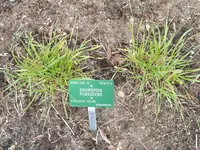
Clear existing turf and deep-rooted weeds before planting, then lightly cultivate the top 5–8 cm of soil so roots can establish quickly without competition when growing hairy woodland brome.

Mulch management

Apply a thin, airy mulch layer (such as shredded leaves) around but not on the crowns to conserve soil moisture and suppress weeds, then top up annually as it breaks down.

Patchy clump renewal

If clumps become thin or patchy, dig and divide them in early spring, discarding woody centers and replanting only vigorous outer sections at the same depth.

Self-seeding control

To prevent unwanted spread in mixed plantings, shear or hand-cut seed heads just as they turn from green to tan, before seed fully matures and drops.

Understory integration

When planting under trees, position clumps in pockets with partial light and slightly deeper leaf litter, using them to stabilize soil and reduce erosion on gentle slopes.

Common Pests and Diseases

Leaf rust

This disease causes small orange-brown pustules on leaves, often leading to premature yellowing and reduced vigor in clumps. Symptoms include dusty spores that rub off on fingers or nearby foliage.

Solution

Remove and dispose of heavily infected leaves or entire clumps to reduce spore load, and avoid overhead irrigation so foliage dries quickly. Improve spacing and air movement, and if growing hairy woodland brome in a high-value planting, use a labeled grass fungicide as a spot treatment according to local guidelines.

Powdery mildew

This disease appears as white, powdery coating on blades and leaf sheaths, often starting in shaded or crowded patches. Symptoms include distorted, weakened foliage and reduced growth when humidity is high and air does not move well through the stand.

Solution

Thin dense plantings and trim back surrounding vegetation to improve light and airflow, and water at the base rather than wetting foliage. Remove the most affected leaves and, in persistent cases, apply a sulfur or potassium bicarbonate product labeled for ornamental grasses, following all label directions.

Grass aphids

These insects feed on leaf sap, causing pale streaks, curling, and sticky honeydew on foliage that can attract sooty mold. This pest often clusters along leaf undersides and young shoots, especially during warm, dry weather.

Solution

Rinse foliage with a firm stream of water to physically dislodge aphids, repeating every few days as needed. Encourage or introduce natural predators such as lady beetles, and if populations remain high, use an insecticidal soap or neem oil spray, ensuring thorough coverage of leaf undersides.

Grasshoppers

These insects chew irregular holes and edges in leaves and can quickly thin clumps when populations are high. This pest is more common in open, sunny meadow or prairie-style plantings near unmanaged grasslands.

Solution

Handpick and remove grasshoppers where feasible and reduce tall weedy vegetation nearby that provides shelter and egg-laying sites. In severe outbreaks, use floating row covers on young or establishing plantings and, if necessary, apply a targeted grasshopper bait or biological control following regional recommendations.

Interesting Facts

Shade-tolerant woodland grass

This species naturally occurs on the floor of deciduous forests in eastern North America and is adapted to relatively low light under a tree canopy, unlike many sun-loving grasses.

Indicator of intact forests

Populations of this grass are often associated with mature, relatively undisturbed woodland communities, so its presence can signal a healthy, stable forest understory.

Softly hairy surfaces

Leaves and flowering stems are covered in fine hairs, which give the plant its common name hairy woodland brome and help distinguish it from similar, smoother brome species in the field.

FAQs about hairy woodland brome

This grass establishes at a moderate rate. Seedlings usually appear within a few weeks, then clumps expand over 2–3 seasons. Growth speeds up in cool, moist conditions and slows noticeably during hot, dry periods or on poor soil.

Grow Healthy Plants with Botan Care

Keep your plants happy and healthy with plant identification, disease detection, and easy care guidance.

Botan plant care app — identify plants on mobile

Explore More Plants