Pumpelly's Bromegrass Care (Bromus pumpellianus)

Pumpelly's Bromegrass

About Pumpelly's Bromegrass

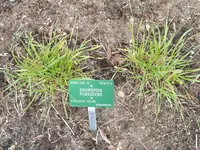
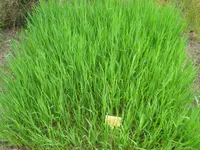
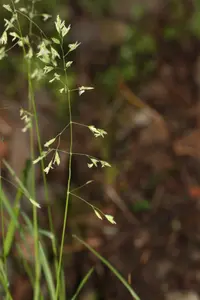
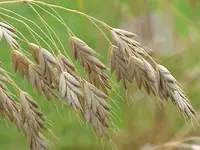
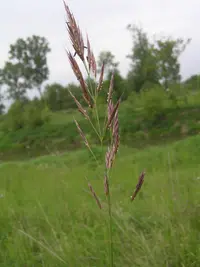
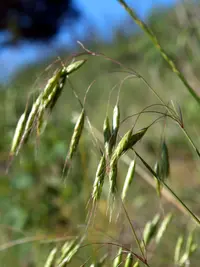
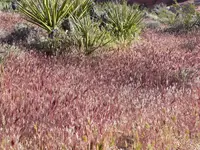
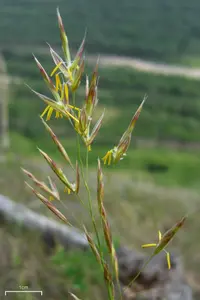
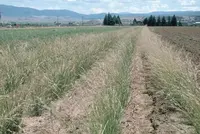
Pumpelly's bromegrass (Bromus pumpellianus) is a cool-season perennial grass native to northern North America, often found in prairies, open woodlands, and mountain slopes. It typically forms upright clumps with narrow leaves and nodding flower heads that produce fine, bristled seeds.

This species is adapted to cold climates and relatively short growing seasons, which makes it resilient and long-lived in suitable regions. It generally prefers full sun, moderate moisture, and well-drained soils.

Because it is a hardy grass with simple needs, it is not difficult to care for Pumpelly's Bromegrass when growing it in conditions similar to its native habitat.

Main Plant Requirements

Care Difficulty

Easy Care

Light Preference

Full Sun

Water Requirements

Moderate Water

Temperature Preference

Cold Hardy

Hardiness Zone

3–7

Soil Texture

Sandy, Loamy, Silty

Soil pH

Slightly acidic (6.5–7.0), Neutral (7.0)

Soil Drainage

Well-drained

Fertilization

Minimal (feed rarely)

Get Personalized Care Plan

Scan your plant to receive care tips personalized for your specific plant

Available on iOS and Android

How to Care for the Pumpelly's Bromegrass

This cool-season grass prefers open, sunny sites but copes with some light shade in many climates.

  • Provide 6–8 hours of direct sun daily; morning sun with light afternoon shade helps reduce heat stress in warmer areas.
  • Tolerates bright, open conditions on prairies or roadsides; in hotter regions, protect Pumpelly's Bromegrass from intense late-afternoon summer sun to limit leaf scorch.
  • In spring and fall, full sun promotes dense growth; in mid-summer, slight filtered light from taller plants can prevent drying of shallow roots.

This species prefers evenly moist but not saturated soil, especially during establishment and active growth.

  • Allow the top 3–5 cm of soil to dry before the next deep soak; in the field, aim for soil that crumbles in the hand rather than smearing when squeezed.
  • During cool spring growth, soil may stay moist longer; in hot, windy summer weather, watch for rolled or dull leaves as a sign the plant needs water.
  • Use well-drained, gritty or loamy soil; yellowing, floppy foliage or standing water around roots suggests overwatering and possible root decline for Bromus pumpellianus.

This cool-season grass grows best in moderate temperatures and tolerates substantial cold once established.

  • Optimal growth occurs around 55–70°F (13–21°C), especially in spring and early summer, when cool nights support strong tiller development.
  • Tolerates winter cold down to about -20°F (-29°C) or lower with snow cover; repeated freeze–thaw without insulation can damage shallow roots and crowns.
  • Handles summer heat up to about 85–90°F (29–32°C) if soil moisture is maintained; prolonged hotter, dry conditions can cause dormancy and thinning stands.

Humidity is not a critical factor for Bromus pumpellianus, which naturally tolerates open, breezy habitats.

This species prefers moderately fertile, well-aerated mineral soil that drains freely yet retains some moisture.

  • Use a sandy or sandy-loam mix with 20–30% compost to provide structure and moderate nutrient levels.
  • Ensure fast drainage by blending in coarse sand or fine grit; avoid heavy clay that stays wet after rain or watering.
  • Maintain soil pH around 6.0–7.5, as strongly acidic or alkaline conditions can reduce vigor and root function.
  • Break up compaction and incorporate coarse particles to keep pores open for root aeration and prevent waterlogging.

This grass can be grown in containers, mainly for trials, restoration stock, or small outdoor displays.

  • Choose a tall, narrow container to give the deep, fibrous root system enough vertical space without excessive surface area that dries too fast.
  • Select a heavier material pot, such as clay or ceramic, to stabilize the upright clumps against wind on exposed patios or balconies.
  • Elevate the container slightly on feet or bricks so drainage holes clear the ground and surplus water can escape quickly.

This cool-season bunchgrass needs minimal feeding, especially in reasonably fertile soil.

  • For naturalized stands of Pumpelly's Bromegrass, rely mainly on existing soil nutrients or a thin topdressing of compost in early spring.
  • In poor or heavily used soils, apply a light rate of balanced slow-release fertilizer (around 10-10-10) once in early spring.
  • Use roughly half the label-recommended rate to avoid lush, weak growth and lodging of stems.
  • Do not fertilize in late fall or winter, as growth is slow and nutrients are not efficiently taken up.

Pruning for Bromus pumpellianus is limited to seasonal cleanup to maintain stand health and appearance.

  • Cut back dead or weather-damaged foliage in late winter or very early spring before strong new growth emerges.
  • Remove lodged, broken, or severely diseased stems during the growing season using clean, sharp shears or a scythe.
  • Thin out overly dense patches by removing some older clumps to improve airflow and reduce fungal problems.
  • After flowering, a high cut can reduce shattering seed heads where self-seeding is not desired.

This species is usually grown in the ground, so care centers on transplanting young clumps rather than routine repotting.

  • Transplant in early spring or early fall, when temperatures are mild and soil moisture is reliable.
  • Move plants when growth slows, clumps crowd each other, or roots circle inside a nursery container.
  • Lift the clump carefully, keep as much root ball intact as possible, and replant at the same soil depth in a prepared bed.
  • Water thoroughly after transplanting and maintain even moisture for 1–2 weeks to reduce root stress and support establishment.

Bromus pumpellianus is most often propagated from seed, with division used where clumps are established.

  • Collect seed from mature, dry seed heads and sow in late fall outdoors or early spring under cool conditions.
  • Provide a well-drained, moderately moist seedbed and only lightly cover seeds, as small grass seeds germinate best near the surface.
  • For division, split healthy clumps in early spring, ensuring each section has strong roots and several growing points.
  • Replant divisions promptly, firm the soil around roots, and water consistently until new growth resumes.

This cool-season grass is generally cold hardy and needs little winter care once established in appropriate climates.

  • Mature plants tolerate typical winter frosts and snow in most temperate regions where they are native or adapted.
  • In exposed or marginally hardy sites, apply a light mulch layer around the root zone after the ground cools.
  • Container-grown plants in very cold areas can be overwintered in a cold, sheltered location to limit root freeze–thaw cycles.

Care Tips

Staggered Sowing

Sow small batches of seed 2–3 weeks apart in spring to spread out maturity, which makes stand management, seed collection, and monitoring for lodging or disease much easier when growing Pumpelly's Bromegrass.

Early Weed Knockdown

Apply a shallow cultivation or a non-residual pre-emergent strategy before germination to reduce early grass and broadleaf competition, since this species establishes best in a clean seedbed with minimal shading from weeds.

Firm Seedbed Preparation

Prepare a fine, firm seedbed where a boot heel leaves only a shallow imprint, which keeps small seeds at consistent depth and improves soil-seed contact for more uniform emergence.

Windward Support Planning

In exposed, windy sites, orient rows parallel to the prevailing wind and use low shelter fencing or adjacent taller crops on the windward side to reduce lodging and mechanical damage to stems.

Targeted Seed Harvest

Check seed heads every 2–3 days as they near maturity and harvest in 2–3 passes, taking only the heads that have turned from green to tan and shatter easily into the hand, then dry them in breathable sacks or trays in a shaded, well-ventilated area.

Common Pests and Diseases

Leaf rust

This disease causes small orange to brown pustules on leaves and sheaths that can merge into large, dusty patches and reduce vigor. Symptoms include premature leaf yellowing and drying, especially in dense, moist stands.

Solution

Remove and destroy heavily infected foliage or plants to reduce spore load, and avoid overhead irrigation or prolonged leaf wetness. For field plantings, reduce plant density, rotate away from other cool-season grasses, and if needed use a labeled grass fungicide applied early when pustules first appear.

Powdery mildew

This disease produces white to gray, powdery fungal growth on leaf surfaces, which can lead to leaf twisting and reduced growth. Symptoms include a dusty coating that can be rubbed off with a finger.

Solution

Improve air movement by reducing crowding and avoiding excessive nitrogen fertilization, which encourages soft, susceptible growth. Remove the most affected leaves and, if conditions stay humid and mild, consider a labeled fungicide for turf or forage grasses applied according to directions.

Leaf spot complex

This disease group causes small water-soaked or tan lesions on leaves that may develop dark borders and coalesce into larger dead areas. Symptoms include thinning patches in stands where lower leaves die back first under humid conditions.

Solution

Cut back and remove infected foliage and crop residues at the end of the season to lower inoculum. Maintain moderate watering at soil level, avoid evening overhead irrigation, and in agricultural settings rotate with non-grass crops and choose clean seed to limit reinfection while following regionally recommended Bromus pumpellianus care instructions.

Aphids

These insects feed on grass leaves and stems, causing slight curling, yellowing, and sticky honeydew that can lead to sooty mold growth. This pest often forms colonies along stems and leaf bases, especially in sheltered, nitrogen-rich sites.

Solution

Encourage or conserve natural predators such as lady beetles and lacewings and avoid unnecessary broad-spectrum insecticides. If populations are high, wash colonies off with a firm stream of water where practical or use a targeted insecticidal soap or horticultural oil, ensuring thorough coverage of stems and leaf bases.

Grasshoppers

These insects chew irregular holes and notches along leaf margins and can rapidly defoliate young plants in outbreak years. Symptoms include ragged leaves and reduced stand density along field edges and open, dry sites.

Solution

Mow or graze surrounding vegetation early to reduce egg-laying habitat and limit movement into stands. Where damage is severe, use physical barriers or baits labeled for grasshoppers in rangeland or grass settings, focusing on field margins and monitoring regularly to time interventions before nymphs mature.

Interesting Facts

Northern grassland specialist

This species is native to cold-temperate regions of North America and eastern Asia and is especially associated with boreal and subalpine grasslands and open slopes rather than lowland prairies.

Indicator of undisturbed sites

Populations are often associated with relatively intact native plant communities in northern ranges, so its presence can indicate low levels of past soil disturbance or heavy grazing.

Adapted to harsh winters

It is a cool-season, tuft-forming grass that completes much of its growth during short northern summers and survives long, cold winters through hardy perennial root systems.

FAQs about Pumpelly's Bromegrass

This cool-season grass establishes at a moderate rate from seed, faster than many native bunchgrasses but slower than aggressive lawn grasses. In suitable conditions it usually reaches near-mature size within 1–2 growing seasons.

Grow Healthy Plants with Botan Care

Keep your plants happy and healthy with plant identification, disease detection, and easy care guidance.

Botan plant care app — identify plants on mobile

Explore More Plants