
6 min read · 19 Aug 2026
How to Tell if a Plant Is Dead
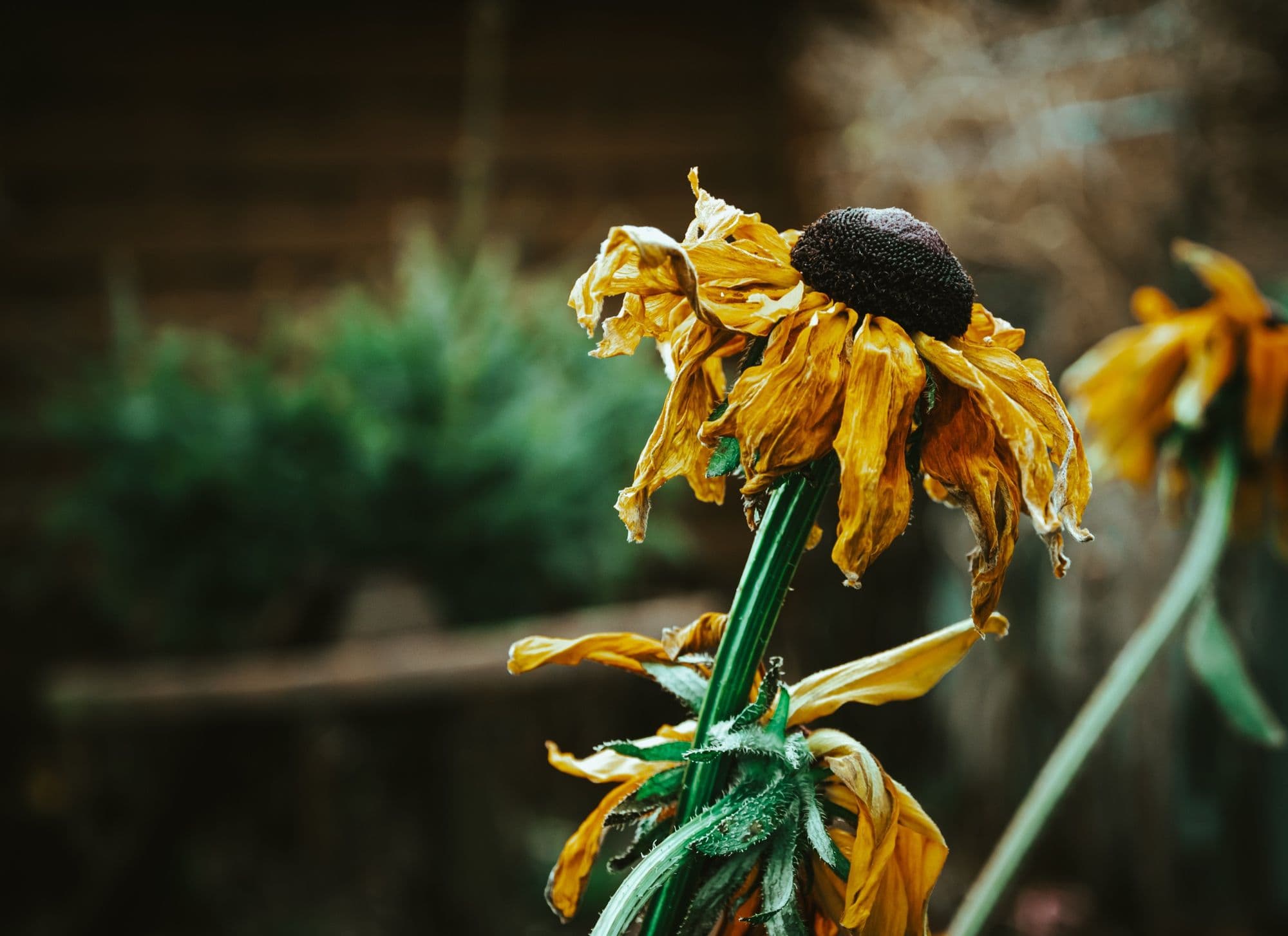
A plant can lose its leaves, stop growing, or collapse and still remain alive. A closer look at the stems, roots, bulbs, and tubers can show whether the plant still has a chance to recover.
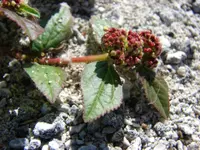
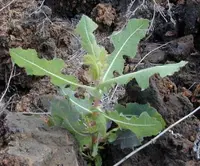
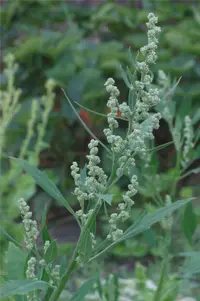
Recognize Euphorbia hirta by its low, spreading habit, paired oval leaves with toothed edges, and hairy reddish stems that lie close to the ground. Plants usually stay under 20 inches (50 cm) wide.
Another strong clue is the tiny flower clusters packed in the leaf axils, where each leaf meets the stem.

Not sure about your plant ID? Upload a photo and check it with Botan.
Clear images work best. Avoid photos taken too close or too far away
Check Euphorbia hirta for a low, many-branched weed form with opposite leaves and tiny clustered flowers.
Hairy stems, opposite toothed leaves, and axillary flower clusters are the quickest visual checks.
Euphorbia hirta shows useful visual changes as stems branch, flowers appear, and fruits form.
Several low, mat-forming spurges can be mistaken for Asthma plant.
Spotted spurge(Euphorbia maculata)
Often confused because both are prostrate weeds with small opposite leaves and clustered flowers. E. maculata usually has smoother stems and often a dark leaf spot. Euphorbia hirta has obvious long hairs on stems and leaf edges.
Hyssop-leaf sandmat(Euphorbia hyssopifolia)
Similar in size and overall habit, especially when young. This species is usually more upright, with narrower leaves and much less hair. Asthma plant is hairier and tends to form a flatter, spreading mat.
Euphorbia hirta is widely treated as native to the American tropics, though its exact original range is not fully settled because it has spread broadly through tropical and subtropical regions. That limits its value as a strict geographic clue. Habitat is more useful. It commonly appears in disturbed, open sites such as roadsides, lawns, paths, field edges, vacant lots, and cracks in pavement. Finding it in sunny, trampled ground helps separate it from woodland or wetland spurges.

Plant Photo ID
Upload a plant photo and recognize it with 98% accuracy
Upload a photo to help identify the plant or verify your ID before you label it or compare it with similar species.
The clearest clue is its hairy, often reddish stem paired with opposite oval leaves that usually show a darker central blotch. Tiny flower clusters sit tightly in the leaf axils, where leaves join the stem.
Use Botan to identify a plant from a photo, then review plant details, care information, and common problems for that species.


6 min read · 19 Aug 2026
A plant can lose its leaves, stop growing, or collapse and still remain alive. A closer look at the stems, roots, bulbs, and tubers can show whether the plant still has a chance to recover.

4 min read · 14 Sept 2026
Sugar water may sound like an easy boost, but most rooted plants do not need extra sucrose. This guide explains how green tissues produce carbohydrates, when a sweetened solution can be useful, and why too much can cause problems.

8 min read · 8 Jul 2026
Discover the top 10 houseplants that are suitable for growing in your bedroom. Compare their light and water needs, pet safety, and benefits. Find out where best to place greenery in your relaxation space and what species to avoid.