Install sturdy supports
Provide robust stakes or low wire fencing before stems elongate, as mature plants become heavy with foliage and flower spikes and are less likely to lodge or snap when supported early.

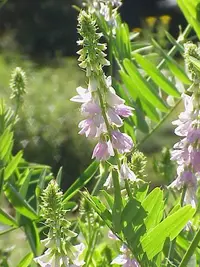
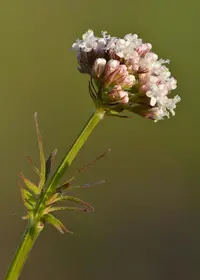
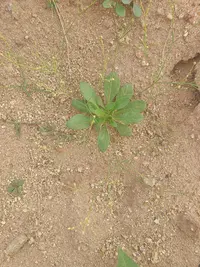
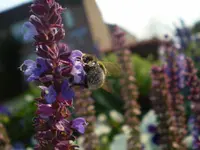
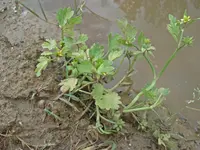
Goat's rue, Galega officinalis, is a hardy perennial herb in the legume family, valued mainly as a traditional medicinal and fodder plant. It forms upright clumps with many branched stems, divided leaflets, and clusters of pea-like flowers in white, lilac, or pale blue tones. Native to parts of Europe and western Asia, it has naturalized in North America, often growing along riverbanks, roadsides, and damp meadows. This species spreads readily by seed and roots, which makes it vigorous but also potentially invasive in suitable climates. It prefers full sun, moist but well-drained soil, and benefits from regular control measures if you want to care for Goat's rue in a managed garden setting.

Care Difficulty
Moderate Care

Light Preference
Full Sun

Water Requirements
Regular Water

Temperature Preference
Cold Hardy

Hardiness Zone
4–8

Soil Texture
Loamy, Silty, Organic-rich

Soil pH
Slightly acidic (6.5–7.0), Neutral (7.0)

Soil Drainage
Moist but well-drained

Fertilization
Minimal (feed rarely)
Scan your plant to receive care tips personalized for your specific plant
Available on iOS and Android
This perennial prefers ample sun to build strong growth and flowering.
This species prefers consistently moist but not waterlogged soil.
This hardy perennial tolerates a broad temperature range once established.
Humidity is rarely a concern for Galega officinalis, which adapts well to typical outdoor air levels in temperate climates.
Galega officinalis prefers moderately fertile, moist but well-drained soil that does not stay waterlogged.
This species can be grown in containers, but it performs best in large, stable outdoor pots rather than small decorative ones.
Galega officinalis is a nitrogen-fixing perennial that usually needs only light feeding on poor soils.
Pruning Galega officinalis helps maintain a tidy clump and can support repeat flowering.
This species is usually grown in the ground, so focus on careful transplanting rather than frequent repotting.
Galega officinalis is most often propagated by seed, with division useful for established clumps.
This hardy perennial tolerates typical temperate winters with minimal intervention.

Plant Health Check
Not sure what's wrong with your plant? Check your plant's health inside the app.
This species forms root nodules with nitrogen-fixing bacteria, allowing it to enrich soils and sometimes increase nitrogen levels for neighboring plants in naturalized stands.
The plant contains the alkaloid galegine, which can cause poisoning in livestock such as sheep and cattle if they consume significant amounts of the foliage.
Compounds from this species inspired the development of the modern antidiabetic drug class known as biguanides, including metformin, although the plant itself is too toxic and variable for direct therapeutic use.

Galega officinalis is listed as a noxious weed in several U.S. states because it escapes cultivation, forms dense monocultures along waterways and pastures, and is difficult to eradicate once established.
This species spreads by both seed and creeping roots, forming dense clumps over time. In many regions it is considered invasive, so gardeners should monitor seedlings, remove spent flower heads, and follow local control recommendations.
Keep your plants happy and healthy with plant identification, disease detection, and easy care guidance.