hispid starbur Care (Acanthospermum hispidum)

Also known as: Star Bur, Upright Star Bur, Bindii, Bristly Starbur
hispid starbur

About hispid starbur

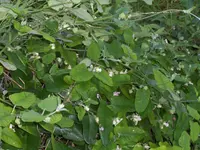
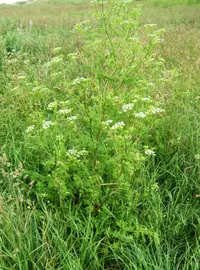
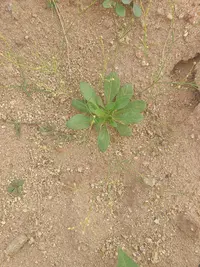
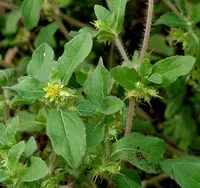
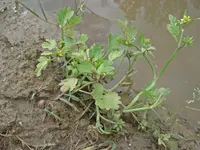
Hispid starbur (Acanthospermum hispidum) is a low, spreading annual herb in the daisy family, often forming mats in open, disturbed ground. It has rough, hairy stems and leaves, with small yellow flower heads that mature into spiny, star-shaped burs that cling to fur, clothing, and machinery. This species is native to tropical and subtropical regions of the Americas but now grows widely as a weed in warm regions worldwide, including parts of the southern United States. It grows quickly from seed and tolerates poor, dry soils, which makes it persistent and sometimes invasive. Understanding how to care for hispid starbur is mainly useful for managing or removing it rather than for ornamental use.

Main Plant Requirements

Care Difficulty

Easy Care

Light Preference

Full Sun

Water Requirements

Moderate Water

Temperature Preference

Tropical / Frost Sensitive

Hardiness Zone

9–13

Soil Texture

Sandy, Loamy, Rocky

Soil pH

Slightly acidic (6.5–7.0), Neutral (7.0)

Soil Drainage

Well-drained

Fertilization

Minimal (feed rarely)

Get Personalized Care Plan

Scan your plant to receive care tips personalized for your specific plant

Available on iOS and Android

How to Care for the hispid starbur

This sun-loving annual thrives in open, bright conditions for vigorous growth.

  • Provide 6–8 hours of direct sun daily; hispid starbur performs best in full sun sites such as open fields or unshaded borders.
  • It tolerates light partial shade, especially with 3–4 hours of strong morning sun, but flowering and seed production may decline as shade increases.
  • In cooler seasons or higher latitudes, choose the sunniest exposure available; in very hot climates, slight afternoon shade can reduce leaf scorch on dry soils.

This plant prefers dry to moderately moist soil and is adapted to periodic drought.

  • Allow the top 3–5 cm of soil to dry between rains or irrigations; the surface should look dry and feel crumbly before adding water.
  • Acanthospermum hispidum shows underwatering through limp, dull leaves that recover quickly after moisture returns; persistent yellowing or mushy stems suggests overwatering and root stress.
  • Use sandy or well-drained soil so excess water runs off within a few minutes; reduce supplemental watering in cool seasons when evaporation slows to avoid prolonged sogginess.

This warm-season annual grows best in consistently warm, frost-free conditions.

  • Optimal growth occurs around 70–90°F (21–32°C), where stems elongate quickly and flowering is continuous through the warm months.
  • Plants tolerate brief heat up to about 100°F (38°C) if soil moisture is not extremely low, but growth slows and foliage may crisp at the edges under prolonged extreme heat.
  • Cold tolerance is low; damage often appears below 40°F (4°C), and frost at 32°F (0°C) or lower usually kills the plant, so it behaves as a summer annual in cooler regions.

This species tolerates a wide humidity range and rarely needs special humidity management outdoors.

This annual prefers light, fast-draining mineral soils and copes well with relatively poor ground.

  • Use sandy or sandy-loam soil with a loose, crumbly structure to prevent waterlogging around the roots.
  • Aim for slightly acidic to neutral pH, roughly 6.0–7.0, which supports balanced nutrient availability.
  • In containers or improved beds, mix native soil with coarse sand and a small amount of compost to enhance drainage and moderate fertility.
  • Avoid heavy clay, compacted areas, or sites that stay wet after rain, as these encourage root decline and poor growth.

This species can be grown in containers but tends to spread and reseed aggressively.

  • Choose a broad, shallow pot to accommodate lateral spreading roots and help limit unwanted self-seeding into nearby beds.
  • Use a heavy or weighted container if placed outdoors so wind and sprawling stems do not tip the pot over.
  • Position containers where runoff cannot carry seeds into lawns or planting beds to reduce weedy spread.

This hardy annual usually needs little feeding, especially in reasonably fertile soil.

  • If growth appears weak or foliage pale, apply a light dressing of compost or a balanced NPK fertilizer once in early to mid growing season.
  • Use a dilute liquid feed at 25–50% strength to avoid soft, leggy growth in hispid starbur.
  • Do not fertilize in winter or outside the active growing period, as the plant completes its life cycle in one season.

Pruning Acanthospermum hispidum is mainly done for tidiness and to limit spread.

  • Best time for pruning is during active growth, removing dead, damaged, or diseased stems as they appear.
  • Thin out crowded or sprawling stems at the base to maintain a compact, manageable shape.
  • Use clean hand pruners or scissors and make sharp cuts to minimize tissue damage and disease entry.
  • Deadhead spent flowers if seed production and self-sowing are not desired.

This species is usually grown in the ground, so care focuses on transplanting rather than repotting.

  • Transplant seedlings outdoors after frost risk has passed and soil has warmed, as young plants dislike cold shock.
  • Move plants if they show poor growth due to dense shade or waterlogging, choosing a sunnier, well-drained site.
  • Minimize root disturbance by lifting with a generous soil ball and transplanting promptly at the same depth.
  • Water thoroughly after transplanting, then keep soil evenly moist for 1–2 weeks to reduce root stress.

Most propagation of this plant relies on seed production and self-sowing rather than vegetative methods.

  • Collect mature, dry seed heads and store seeds in a cool, dry place until sowing.
  • Sow seeds in spring after frost in well-drained soil, barely covering them, as light helps germination.
  • Maintain evenly moist soil and moderate warmth, around 65–75°F, for reliable germination.
  • Thin seedlings to prevent overcrowding, leaving the strongest plants spaced to allow good airflow.

This warm-season annual usually dies back with frost and needs no complex winter care.

  • In regions with frost, expect plants to complete their life cycle and not overwinter outdoors.
  • Mulch lightly over the soil where plants grew if self-sown seeds are present, helping protect them until spring.
  • Container-grown plants in cold areas can be discarded after frost and re-grown from seed each year.

Care Tips

Early-season thinning

In early growth, thin dense patches to 15–20 cm spacing to reduce competition, improve air movement, and encourage stronger, more manageable plants when growing hispid starbur for study or controlled plots.

Timed deadheading control

Remove flowering heads before seeds mature and dispose of them in sealed bags to prevent the plant’s barbed seeds from spreading and self-sowing into unwanted areas.

Barrier edge management

Install a narrow physical edging strip (10–15 cm deep) around beds to limit lateral spread and make it easier to pull stray seedlings that appear near paths or neighboring plantings.

Targeted pest scouting

Inspect the undersides of leaves and young stems weekly during warm, humid periods so that any early aphid or mite activity can be treated promptly with a directed spray of insecticidal soap rather than broad, repeated applications.

Sanitary tool handling

Clean and disinfect cutting or weeding tools before and after working in infested areas to avoid carrying seed or pathogens into other beds or containers when caring for hispid starbur in mixed plantings.

Common Pests and Diseases

Leaf spot fungi

This disease causes small brown to dark spots on leaves that may merge into irregular patches, especially in warm, humid conditions.

Solution

Remove and destroy heavily spotted leaves, avoid overhead watering, and increase spacing and airflow around plants; if needed, apply a copper- or chlorothalonil-based fungicide according to label directions to protect new growth.

Powdery mildew

This disease produces a white, powdery film on leaf surfaces and young stems, often leading to yellowing and reduced vigor.

Solution

Improve air circulation, reduce shade and overcrowding, and avoid excess nitrogen fertilization; in persistent cases, treat foliage with a sulfur or potassium bicarbonate fungicide, ensuring thorough coverage of both upper and lower leaf surfaces.

Aphids

These insects cluster on tender shoots and undersides of leaves, sucking sap and causing curling, yellowing, and sticky honeydew that can attract sooty mold.

Solution

Dislodge colonies with a strong stream of water, encourage natural predators such as lady beetles, and, if populations remain high, use insecticidal soap or neem oil, repeating applications until the population is under control.

Leaf-feeding caterpillars

This pest chews irregular holes or entire sections from leaves, sometimes leaving only midribs on young plants in field or garden settings.

Solution

Handpick caterpillars in small plantings, especially in the early morning, and use Bacillus thuringiensis (Bt) products targeted to caterpillars in larger infestations, applying in the evening to minimize impact on beneficial insects and following label instructions.

Interesting Facts

Hooked burr dispersal

This species produces small, burr-like fruits covered in stiff, hooked spines that easily latch onto animal fur, clothing, and even machinery, making it an efficient hitchhiker for long-distance seed dispersal.

Tropical weed status

Native to tropical regions of the Americas, it has become a common invasive weed in many warm regions worldwide, especially in disturbed sites, crop fields, and along roadsides, where it can form dense patches.

Sun-loving annual

It is a fast-growing annual that thrives in full sun and open, disturbed soils, often appearing quickly after soil is turned or vegetation is cleared, then completing its life cycle within a single growing season.

FAQs about hispid starbur

This species spreads quickly by seed and can become a troublesome weed in warm climates. Seeds hitchhike on fur, clothing, or machinery. Regular removal before seed set and mulching help limit unwanted spread in gardens or fields.

Grow Healthy Plants with Botan Care

Keep your plants happy and healthy with plant identification, disease detection, and easy care guidance.

Botan plant care app — identify plants on mobile

Explore More Plants