Succession Harvesting
Stagger sowing every 2–3 weeks and harvest outer leaves first so plants keep producing tender foliage instead of bolting all at once.

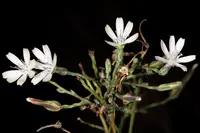
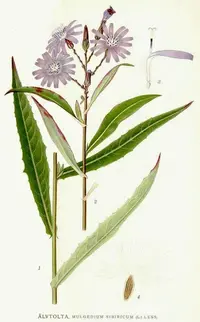
African lettuce (Lactuca inermis) is an annual leafy plant in the daisy family, grown both as a vegetable and a traditional leafy green. It typically forms upright stems with soft, elongated leaves that can be smooth or slightly toothed, giving it a light, open look.
This species is native to parts of Africa and the Middle East, where it is collected from the wild and sometimes cultivated in small gardens. It is generally considered easy to grow, as it adapts to warm conditions and tolerates a range of soils if they drain well.
In home gardens, it usually prefers bright light, moderate moisture, and fertile, loose soil, which simplifies how to care for African Lettuce compared with more demanding leafy crops.

Care Difficulty
Moderate Care

Light Preference
Full Sun

Water Requirements
Keep Soil Moist

Temperature Preference
Warm Climate

Hardiness Zone
Unknown

Soil Texture
Loamy, Silty, Organic-rich

Soil pH
Acidic (5.5–6.5), Slightly acidic (6.5–7.0)

Soil Drainage
Moist but well-drained

Fertilization
Moderate (every 2–4 weeks)
Scan your plant to receive care tips personalized for your specific plant
Available on iOS and Android
This sun-loving leafy plant needs strong but not scorching light to produce tender foliage.
Consistent moisture is important for crisp, non-bitter leaves in this species.
This leafy annual prefers mild, stable temperatures for best growth and flavor.
This species handles a broad humidity range and rarely needs special humidity management indoors or outdoors.
Lactuca inermis prefers loose, moist, well‑aerated soil that drains efficiently but does not dry out too fast.
This species grows well in containers when root space and drainage are carefully managed.
Lactuca inermis is a leafy annual that responds well to modest, consistent feeding during active growth.
Lactuca inermis benefits more from regular harvesting than from structural pruning.
This species is usually grown as a short-lived crop, so transplanting timing matters more than long-term repotting.
Lactuca inermis is most commonly propagated from seed for consistent and fast production.
This warm-season annual does not tolerate hard frost and usually completes its life cycle before winter.

Plant Health Check
Not sure what's wrong with your plant? Check your plant's health inside the app.
Lactuca inermis is a wild species closely related to cultivated lettuce (Lactuca sativa), and is used by plant breeders as a genetic resource for traits such as stress tolerance and adaptability to harsher environments.
Unlike many wild Lactuca species that develop spines on leaves or stems, this species is essentially spineless (inermis means unarmed), which makes it easier to handle and distinguish from other wild lettuces in the field.
This species occurs across large parts of tropical and subtropical Africa, where it grows in disturbed sites, fallow fields, and open habitats, indicating strong ecological tolerance and adaptability to changing land use.
The leaves and young shoots are traditionally eaten cooked or lightly sautéed, often as a leafy vegetable. They are generally considered edible, but should be harvested from clean, uncontaminated plants and introduced to the diet gradually to check tolerance.
Keep your plants happy and healthy with plant identification, disease detection, and easy care guidance.