Cow Parsley Care (Anthriscus sylvestris)

Also known as: wild chervil, wild beaked parsley, Queen Anne's lace, keck
Cow Parsley

About Cow Parsley

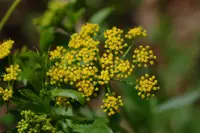
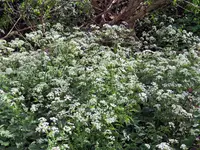
Cow parsley, Anthriscus sylvestris, is a fast-growing, short-lived perennial or biennial from the carrot family. It forms soft, fern-like foliage and airy white flower umbels in late spring. Plants typically grow in loose clumps along roadsides, hedgerows, and woodland edges across Europe and parts of Asia, and have naturalized in many temperate regions. It prefers cool conditions, moist but well-drained soil, and partial to full sun. Once established, it self-seeds freely, so it can spread quickly and may need management. Understanding how to care for Cow Parsley helps keep it attractive without becoming invasive.

Main Plant Requirements

Care Difficulty

Easy Care

Light Preference

Partial Shade

Water Requirements

Moderate Water

Temperature Preference

Cold Hardy

Hardiness Zone

3–7

Soil Texture

Loamy, Silty, Organic-rich

Soil pH

Acidic (5.5–6.5), Slightly acidic (6.5–7.0)

Soil Drainage

Moist but well-drained

Fertilization

Minimal (feed rarely)

Get Personalized Care Plan

Scan your plant to receive care tips personalized for your specific plant

Available on iOS and Android

How to Care for the Cow Parsley

Anthriscus sylvestris prefers bright, gentle light similar to a woodland edge.

  • Aim for 3–5 hours of direct morning sun with light or dappled shade the rest of the day to mimic natural conditions when growing Cow Parsley.
  • Provide partial shade, especially from strong afternoon sun, which can scorch leaves and dry soil too quickly in open beds or borders.
  • In hotter summers, shift plants or use taller companions for extra shade; in cooler, cloudy climates, choose a slightly more open spot to maintain flowering.

This plant prefers consistently moist but not waterlogged soil throughout the growing season.

  • Water when the top 3–5 cm of soil feels dry, aiming for deep soaking rather than light splashes, especially during active spring growth.
  • Use soil that drains freely yet holds moisture; pooling water, algae on soil, or a sour smell indicate overwatering and poor drainage.
  • Crisping leaf edges and drooping in hot, dry weather suggest underwatering; increase watering in summer and reduce frequency once flowering finishes and growth slows.

This temperate perennial handles cool conditions well but dislikes extreme heat.

  • Best growth occurs in 55–70°F (13–21°C), typical of mild spring and early summer in many temperate regions.
  • Plants tolerate down to about 20°F (-6°C) once established, though young rosettes benefit from mulch in colder winters to reduce freeze-thaw stress.
  • Short periods above 85°F (29°C) are tolerated if soil stays moist and roots shaded, but prolonged heat can cause early flowering, seed set, and plant decline.

Humidity is not a critical factor for Anthriscus sylvestris in typical outdoor conditions.

Anthriscus sylvestris prefers moist, fertile, well-structured soil that does not stay waterlogged.

  • Use a loamy soil rich in organic matter that holds moisture yet still feels crumbly when squeezed.
  • Aim for neutral to slightly alkaline pH around 6.5–7.5, avoiding very acidic sites that reduce vigor.
  • In garden beds, mix in compost and a little sharp sand to improve both nutrient content and drainage.
  • Avoid compacted, heavy clay or spots that flood, since poor aeration around roots encourages rot and weak growth.

This species can be grown in containers for short-term display, but it is less durable there than in open ground.

  • Choose a deep, stable pot at least 25–30 cm tall to support the taproot and upright stems without tipping.
  • Use a heavy, clay or thick-walled container if exposed to wind, as the tall, lacy foliage can act like a sail.
  • Water more frequently than in-ground plants, since container substrate dries faster, but discard saucer runoff promptly to prevent root problems.

This wild perennial typically needs little feeding, especially in fertile garden soil.

  • In poor soils, apply a light dressing of garden compost or well-rotted manure in early spring to support growing Cow Parsley.
  • Use a balanced, slow-release fertilizer (around 10-10-10) at half strength once at the start of the growing season if growth appears weak.
  • Avoid repeated or heavy applications, which encourage lush, floppy growth and reduce natural drought and wind tolerance.
  • Do not feed in late fall or winter, when the plant is dormant and nutrient uptake is minimal.

Pruning Anthriscus sylvestris is mainly used to manage self-seeding and keep growth tidy.

  • Cut back spent flower stems in late spring or early summer to limit self-sowing and maintain a compact clump.
  • Remove dead, damaged, or congested stems at ground level using clean hand pruners or sharp scissors.
  • Shear back foliage lightly after flowering to encourage fresh regrowth and a neater outline.
  • Leave some seed heads if reseeding is desired, then remove remaining dry stems before winter for a clean border.

This species is usually grown in the ground, so transplanting young plants is more common than repotting mature ones.

  • Transplant in early spring or early fall, when temperatures are mild and soil stays evenly moist.
  • Move plants if growth is weak, overcrowded, or if roots circle the pot and emerge from drainage holes.
  • Lift with a generous soil clump, disturbing roots as little as possible, and replant at the same depth in well-drained soil.
  • Water thoroughly after transplanting, then keep soil slightly moist for 1–2 weeks to limit transplant shock and support root re-establishment.

Anthriscus sylvestris is most often propagated by seed, with self-sowing common in suitable sites.

  • Collect seed in late summer when heads turn brown and dry, then store cool and dry until sowing.
  • Sow outdoors in fall or very early spring; natural cold stratification helps break seed dormancy and improve germination.
  • Scatter seed on the soil surface or cover very lightly, keeping the area consistently moist but not waterlogged.
  • For controlled stands, thin crowded seedlings to maintain airflow and prevent weak, spindly plants.

This hardy perennial tolerates typical temperate winters and usually needs minimal intervention.

  • Plants withstand frost once established, with top growth often dying back while roots remain viable.
  • After the first hard frost, cut back dead stems to just above ground level to reduce disease carryover.
  • Apply a light mulch layer (2–5 cm) around the crown in colder regions to moderate soil temperature and moisture.

Care Tips

Self-seeding management

Allow some flower heads to set seed, then cut and shake them over the desired area in late summer to direct natural reseeding and prevent the plant from spreading into unwanted parts of the garden.

Support in windy sites

In exposed or windy locations, place discreet low hoops or short canes with soft ties around clumps in early spring to prevent tall, hollow stems from lodging or snapping later in the season.

Staggered cutting back

Cut only a portion of the flowering stems at a time after bloom to extend visual interest and maintain photosynthesis, then remove the rest once the seed you want has ripened.

Soil disturbance control

Minimize deep digging or rotavating where seedlings are expected, because the fine taprooted seedlings establish best in soil that is lightly raked rather than heavily disturbed.

Wildlife-friendly placement

Position plants along borders or at the back of beds near other umbellifers to create a concentrated nectar resource that supports beneficial insects, which indirectly helps when growing Cow Parsley alongside other crops and ornamentals.

Common Pests and Diseases

Powdery mildew

This disease produces white, powdery patches on leaves, stems, and flower stalks, especially in dense or shaded plantings. Symptoms include distorted growth and premature yellowing of foliage.

Solution

Remove and dispose of heavily infected leaves to reduce spore load, then thin surrounding vegetation to improve airflow and reduce leaf wetness duration. Avoid overhead watering, water at soil level in the morning, and if needed apply a sulfur or potassium bicarbonate fungicide labeled for edible or ornamental umbellifers, following label directions closely.

Leaf spot

This disease causes small, irregular brown or purplish spots on leaves that can merge into larger dead areas under humid conditions. Symptoms include early leaf drop and a generally patchy, scorched appearance.

Solution

Cut off and discard affected leaves and any collapsed stems to prevent further spread, and keep the soil surface free of fallen, spotted foliage. Improve spacing and air movement, irrigate at the base, and in recurrent cases use a copper-based fungicide at the first signs of spotting, according to label instructions for Anthriscus sylvestris plant care.

Cow parsley aphid

This pest forms dense colonies on young stems and the undersides of leaves, sucking sap and causing curling, yellowing, and sticky honeydew that can attract sooty mold. These insects are often found on fast-growing spring foliage and flowering stems.

Solution

Wash aphids off with a firm stream of water, focusing on shoot tips and leaf undersides, and repeat every few days until numbers drop. Encourage natural predators such as lady beetles, avoid overfeeding with nitrogen, and if needed spot-treat dense colonies with insecticidal soap or horticultural oil, ensuring thorough coverage and avoiding application in strong sun.

Carrot fly

This pest lays eggs near the base of host plants and the larvae feed on roots, causing tunneling, stunting, and sudden wilting in dry conditions. Symptoms include poor vigor and discolored or damaged roots when plants are lifted.

Solution

Use fine insect mesh or fleece over rows, especially in spring and early summer, to physically block egg-laying adults. Lift and destroy badly affected plants, practice crop rotation with other Apiaceae, and avoid thinning or handling plants during peak flight times to reduce attractant odors.

Crown and stem rot

This disease leads to soft, water-soaked lesions at the base of stems that may darken and collapse, often in waterlogged or compacted soils. Symptoms include sudden wilting, yellowing, and death of whole clumps from the base upward.

Solution

Remove and discard affected plants promptly along with surrounding soil to limit spread, and avoid replanting umbellifers in the same spot for several years. Improve drainage by loosening soil and adding organic matter, avoid overwatering, and keep crowns at or slightly above soil level to reduce prolonged moisture around the stem base.

Interesting Facts

Early spring nectar

Cow parsley flowers very early in spring, providing one of the first substantial nectar and pollen sources for hoverflies, solitary bees, and other pollinating insects in hedgerows and roadside verges.

Short-lived perennial

Although often described as a perennial, cow parsley plants usually behave as short-lived perennials or biennials, building a leaf rosette first and then dying after flowering and setting seed.

Umbel architecture

Its compound umbels, a branching flower structure typical of the carrot family, expose many small white flowers in a flat layer that makes landing and feeding easy for a wide range of small insects.

Botan icon

Did you know?

In parts of the United Kingdom, cow parsley has expanded dramatically along roadsides and field edges over recent decades, becoming a characteristic feature of spring landscapes and prompting management concerns about its ability to outcompete some native ground flora.

FAQs about Cow Parsley

This species self-seeds very freely and can spread quickly, especially in moist, lightly disturbed soil. Regular deadheading, pulling young seedlings, and using physical borders help prevent it from taking over mixed beds or naturalistic plantings.

Grow Healthy Plants with Botan Care

Keep your plants happy and healthy with plant identification, disease detection, and easy care guidance.

Botan plant care app — identify plants on mobile

Explore More Plants