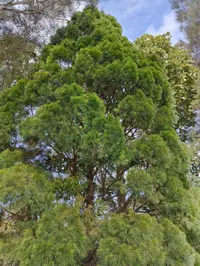
drooping fig Care (Ficus semicordata)

drooping fig

About drooping fig

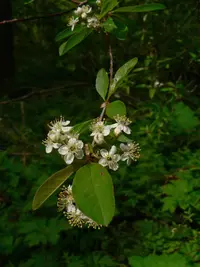
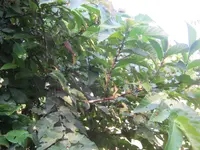
Drooping fig, Ficus semicordata, is a small to medium fig tree native to the Himalayan region and parts of Southeast Asia. It often grows along forest edges and riverbanks. The tree has broad, heart-shaped leaves and a naturally arching, somewhat weeping habit, which gives it a softer outline than many other figs. Its figs form on branches and sometimes on older wood, attracting wildlife in its native range. In cultivation, it is still uncommon but valued by collectors for its distinctive foliage and elegant shape. It can be moderately challenging, so learning how to care for drooping fig is useful before planting, especially regarding light and moisture needs.

Main Plant Requirements

Care Difficulty

Moderate Care

Light Preference

Partial Shade

Water Requirements

Moderate Water

Temperature Preference

Tropical / Frost Sensitive

Hardiness Zone

10–11

Soil Texture

Loamy, Sandy, Organic-rich

Soil pH

Acidic (5.5–6.5), Slightly acidic (6.5–7.0)

Soil Drainage

Moist but well-drained

Fertilization

Minimal (feed rarely)

Get Personalized Care Plan

Scan your plant to receive care tips personalized for your specific plant

Available on iOS and Android

How to Care for the drooping fig

Ficus semicordata prefers bright, filtered light similar to an open forest edge.

  • Provide 4–6 hours of bright, indirect light daily; gentle morning sun is acceptable, but protect from harsh midday and late-afternoon sun to prevent leaf scorch.
  • Tolerates partial shade, but prolonged low light causes sparse growth and smaller, pale leaves on drooping fig, signaling the need for a brighter site.
  • In hot summers, use light shade cloth or neighboring trees for dappled light, while in winter choose the sunniest, wind-sheltered position available.

This species prefers consistently moist but not waterlogged soil.

  • Water when the top 3–5 cm of soil feels dry, using deep soakings that penetrate the root zone rather than frequent light sprinklings.
  • During warm growing seasons, soil may need checking 2–3 times per week; in cooler or rainy periods, extend intervals and rely on soil feel instead of a fixed schedule.
  • Ensure free-draining soil; signs of overwatering include yellowing, soft leaves and a sour soil smell, while underwatering causes crisp leaf edges and premature leaf drop.

This fig thrives in warm, frost-free climates.

  • Aim for 70–86°F (21–30°C) for active growth, with stable warmth promoting faster leaf and stem development.
  • Tolerates brief drops to about 40°F (4°C), but growth slows below 60°F (16°C) and repeated exposure near minimum levels can stress young plants.
  • Avoid frost entirely, and during heat waves above 95°F (35°C) provide extra shade and soil moisture to prevent heat stress and leaf scorch.

This species prefers moderately humid air and reacts if kept too dry for long periods.

  • Aim for 40–60% humidity; it tolerates brief dips lower but prolonged very dry air slows growth.
  • Low humidity stress shows as crisp leaf edges, tip browning, and slower new leaf expansion on drooping fig.
  • Increase humidity by grouping plants, placing the pot on a pebble tray with water below the pot base, or using a small room humidifier nearby.

This fig prefers loose, organic-rich, well-drained soil that still holds some moisture.

  • Use a mix of roughly 50% all-purpose potting mix, 25% fine bark, and 25% perlite or pumice for structure and drainage.
  • Aim for slightly acidic to neutral pH around 6.0–7.0, avoiding strongly alkaline mixes that can limit nutrient uptake.
  • Incorporate compost or leaf mold to increase organic matter while keeping the texture crumbly, not sticky or compacted.
  • Avoid heavy clay, poorly drained garden soil, or mixes that stay waterlogged, which encourage root rot in Ficus semicordata.

This species adapts reasonably well to container growing when given adequate root space and stability.

  • Choose a deep, wide pot that allows a strong woody root system to anchor and reduces the risk of the plant becoming top-heavy.
  • Use a container material with some weight, such as ceramic or thick plastic, to stabilize vertical growth against wind or accidental knocks.
  • Ensure large, unobstructed drainage holes and elevate the pot slightly so excess water can exit quickly rather than pooling under the base.

Ficus semicordata grows in nutrient-poor forest soils, so container or landscape plants benefit from light, structured feeding rather than heavy fertilization.

  • Use a balanced liquid fertilizer (around 10-10-10) at 1/2 strength every 4–6 weeks in spring and summer for drooping fig indoor care.
  • Alternatively, top-dress with a thin layer of mature compost once in spring to support steady growth.
  • Choose slow-release granules for outdoor specimens, applied lightly at the start of the growing season.
  • Stop feeding in late fall and winter, when growth slows, to avoid weak, elongated shoots.

Pruning Ficus semicordata helps control size, maintain a strong framework, and remove weak growth in garden or container settings.

  • Carry out structural pruning in late winter or early spring before new growth starts.
  • Remove dead, diseased, crossing, or inward-growing branches to improve air flow and light penetration.
  • Shorten overly long shoots to guide shape and keep the canopy balanced and stable.
  • Use clean, sharp bypass pruners for small branches and make cuts just above a node or side branch.

This species is usually grown as a landscape tree, so transplanting young plants correctly matters more than frequent repotting.

  • Transplant in late winter or early spring, before vigorous growth, to reduce stress and support quick establishment.
  • Look for circling roots, slow growth, or the root ball lifting from the soil as signs a container plant needs a larger space.
  • Move up only 1–2 pot sizes or into a hole twice as wide as the root ball, using well-drained, organically enriched soil.
  • Water thoroughly after planting, provide shade for 1–2 weeks, and keep soil evenly moist until new growth shows recovery.

Ficus semicordata is propagated mainly from semi-hardwood cuttings or seeds where controlled production is needed.

  • Take semi-hardwood stem cuttings in late spring or early summer, 10–15 cm long, with 2–3 nodes.
  • Remove lower leaves, dip the cut end in rooting hormone, and place in a moist, free-draining mix under high humidity and bright shade.
  • Start seeds in warm conditions (75–80°F) in a light seed mix, barely covered, and keep evenly moist.
  • Provide bottom heat if possible and good air circulation to reduce fungal issues during rooting or germination.

In mild climates, Ficus semicordata needs limited winter care, but young or container plants benefit from basic protection in colder areas.

  • This tree is frost sensitive and can suffer leaf and twig damage below about 32°F, especially when young.
  • Apply a 5–8 cm layer of organic mulch over the root zone, keeping it slightly away from the trunk base.
  • Wrap small trunks with breathable horticultural fleece during expected hard frosts to reduce bark injury.
  • Move container-grown plants indoors or into a cool, bright, frost-free space before the first freeze.

Care Tips

Early structural training

Install a sturdy stake or vertical frame when the plant is young and loosely tie the main stem with soft ties, adjusting every 2–3 months to guide a strong, upright trunk and prevent wind damage later.

Root spread management

Plant in a large, dedicated bed or container with a physical root barrier if used in the ground, since this species can develop aggressive surface roots that may disturb paving or nearby beds over time.

Controlled height reduction

Plan annual reduction cuts on tall, vigorous leaders at the end of the cool, dry season, cutting back to outward-facing buds or side branches to keep the tree at a manageable height and encourage a broader crown.

Leaf and litter management

Regularly collect dropped figs and leaves from the soil surface to reduce fungal spore build-up and insect attraction, especially in warm, wet periods.

Wildlife and sap handling

Expect birds and other wildlife to be attracted to ripe figs and wear gloves when pruning or handling broken branches because the milky latex sap can irritate skin and should be washed off promptly with soap and water.

Common Pests and Diseases

Fig leaf beetle

This pest commonly feeds on young foliage, creating holes and skeletonizing leaves, especially on wild or outdoor trees. Heavy feeding can slow growth and cause partial defoliation.

Solution

Hand-pick adults and larvae where reachable, prune and destroy badly infested leaves, and encourage birds or other natural predators. For serious outbreaks on valuable trees, use a targeted foliar spray containing spinosad or neem oil applied in the early morning, repeating as label-directed until new flushes of leaves emerge clean.

Scale insects

These insects attach to stems and leaf undersides, sucking sap and excreting sticky honeydew that can lead to sooty mold. Infestations may cause yellowing leaves, stunted growth, and general decline, especially on trees grown in constrained urban or courtyard conditions.

Solution

Wipe small colonies off stems with a cloth dipped in mild soapy water or alcohol, and prune heavily infested twigs. For larger trees, use horticultural oil sprays during mild weather, ensuring thorough coverage of bark and leaf undersides while improving air movement and reducing excess nitrogen fertilization that favors scale buildup.

Nematode leaf galls

This disease is caused by microscopic nematodes entering leaf tissue and inducing raised, blister-like galls on the surface. Symptoms include distorted, thickened leaves that can reduce photosynthesis and overall vigor in young or stressed trees.

Solution

Remove and destroy affected leaves to lower nematode numbers and avoid using contaminated soil or tools around young plants. Maintain strong plant health through regular watering and balanced nutrition, and, where infestations are persistent, consider replanting in clean soil or using resistant rootstocks when available for Ficus semicordata care in managed plantings.

Interesting Facts

Riverbank pioneer tree

This species naturally colonizes exposed riverbanks and landslide-prone slopes in the eastern Himalaya and Southeast Asia, helping stabilize soil with its extensive root system.

Hidden fig nurseries

Like other figs, it produces syconia, a hollow ball-like structure that looks like a fruit but actually holds many tiny flowers inside, each of which can develop into a seed.

Specialist wasp partner

Ficus semicordata relies on a highly specific fig wasp (Ceratosolen species) for pollination; the wasp can reproduce only inside this fig, forming a tight one-to-one mutualism.

Botan icon

Did you know?

In parts of the eastern Himalaya, this tree often functions as a natural nurse plant, with its broad crown and leaf litter creating a shaded, moist microhabitat where seedlings of many other forest species successfully establish beneath it.

FAQs about drooping fig

Yellowing leaves usually come from root stress, overwatering, or sudden environmental change. Check drainage, avoid waterlogged soil, and inspect roots for rot. Old leaves may also yellow and drop naturally as the plant reallocates resources.

Grow Healthy Plants with Botan Care

Keep your plants happy and healthy with plant identification, disease detection, and easy care guidance.

Botan plant care app — identify plants on mobile

Explore More Plants