Common Fig Care (Ficus carica 'Brown Turkey')

Also known as: Edible Fig, Fig, Higo
Common Fig

About Common Fig

Ficus carica 'Brown Turkey' is a deciduous fruiting shrub or small tree, valued for its sweet figs and reliable productivity. It is often grown in gardens, patios, or large containers.

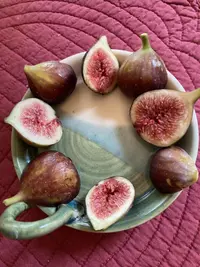
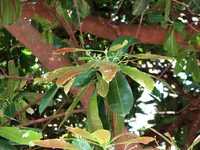
This cultivar has broad, lobed leaves and a dense, rounded habit, producing brown to purple figs with soft, amber flesh. It originates from the Mediterranean region but adapts well to many temperate climates.

The plant is generally considered easy to grow, as it tolerates pruning, brief dry periods, and a range of soils. Understanding how to care for Common Fig becomes easier once its need for sun, warmth, and well-drained soil is clear.


Main Plant Requirements

Care Difficulty

Moderate Care

Light Preference

Full Sun

Water Requirements

Moderate Water

Temperature Preference

Warm Climate

Hardiness Zone

6–9

Soil Texture

Sandy, Loamy, Organic-rich

Soil pH

Acidic (5.5–6.5), Slightly acidic (6.5–7.0)

Soil Drainage

Well-drained

Fertilization

Minimal (feed rarely)

Get Personalized Care Plan

Scan your plant to receive care tips personalized for your specific plant

Available on iOS and Android

How to Care for the Common Fig

Ficus carica 'Brown Turkey' fruits best with strong sun while avoiding prolonged scorching exposure in very hot climates.

  • Provide 6–8 hours of direct sun daily; full sun is ideal in mild climates, while hot inland areas benefit from light afternoon shade.
  • Young trees and newly planted specimens benefit from morning sun with filtered or dappled afternoon light to reduce leaf scorch risk.
  • In cooler seasons, choose the sunniest available spot, as low light reduces flowering and fruiting on this Common Fig.

Ficus carica 'Brown Turkey' prefers evenly moist, well-drained soil that dries slightly between deep waterings.

  • Water when the top 3–5 cm of soil feels dry, soaking the root zone deeply rather than giving frequent shallow drinks.
  • In spring and summer, expect more frequent watering; in fall reduce, and in winter water only when the soil has clearly dried.
  • Use fast-draining soil and avoid standing water; yellowing, soft leaves indicate overwatering, while drooping, crisp leaves signal underwatering.

This fig performs best in warm conditions but has moderate cold tolerance once established.

  • Ideal growing temperatures are 65–85°F (18–29°C), which support strong shoot growth and reliable fruit development.
  • Mature plants tolerate short drops to about 10–15°F (-12–-9°C), but young trees are more vulnerable and benefit from trunk and root-zone protection.
  • Extended exposure above 95°F (35°C) can cause leaf scorch and fruit drop, so provide mulch and occasional shade during extreme heat waves.

This fig tolerates a wide humidity range and usually does not need special humidity control indoors.

  • Target 40–60% relative humidity; typical home levels are acceptable for Common Fig.
  • Dry indoor air rarely harms leaves, but chronic humidity below 30% can increase edge browning and spider mite issues.
  • If air is very dry, group plants together or place the pot on a pebble tray with water below the pot base to slightly raise humidity.

This fig prefers a deep, well-aerated, fast-draining medium that still holds moderate moisture.

  • Use a loamy, slightly sandy mix such as 2 parts peat- or coir-based potting mix, 1 part compost, and 1 part perlite or coarse sand for structure and drainage.
  • Aim for slightly acidic to neutral pH, around 6.0–7.0, which supports root nutrient uptake and overall vigor in Ficus carica 'Brown Turkey'.
  • Improve aeration by incorporating chunky materials like pine bark fines or horticultural grit so roots receive enough oxygen in denser mixes.
  • Avoid heavy clay, compacted, or waterlogged substrates, which promote root rot and poor growth, especially in cool conditions.

This species is well suited to container growing when the pot is chosen for root space and stability.

  • Select a large, deep container to accommodate the strong root system and reduce tipping as the canopy expands.
  • Choose a heavier material such as ceramic or thick plastic to stabilize the top-heavy tree in windy or exposed spots.
  • Ensure several large drainage holes so excess water exits quickly, preventing saturated lower layers that can suffocate roots.

Ficus carica 'Brown Turkey' benefits from modest feeding to support fruiting, but excess nutrients reduce flavor and vigor.

  • Use a balanced NPK fertilizer (such as 8-8-8 or 10-10-10) or well-aged compost for container or poor-soil trees.
  • Feed every 4–6 weeks during the active growing season, stopping 6–8 weeks before expected frost.
  • Apply at half the label-recommended strength for potted plants to avoid salt buildup and root burn.
  • During winter dormancy, do not fertilize outdoor trees and feed indoor Common Fig specimens only if actively growing.

Pruning Ficus carica 'Brown Turkey' maintains size, improves light penetration, and supports consistent fruiting.

  • Prune in late winter while the tree is fully dormant to reduce sap bleed and stress.
  • Remove dead, diseased, crossing, or inward-growing branches to open the canopy and improve airflow.
  • Shorten overly vigorous shoots to shape the tree and keep fruiting wood at a reachable height.
  • Use clean, sharp bypass pruners or a pruning saw, making smooth cuts just above buds or branch collars.

Container-grown Brown Turkey fig and young outdoor trees respond well to thoughtful transplanting with minimal root disturbance.

  • Check for roots circling the pot, slow growth, or rapid drying soil as signs a container plant needs a larger space.
  • Plan transplanting or repotting for early spring, just before buds break, to give the tree a full growing season to re-establish.
  • For pots, move up only 1–2 in in diameter every 2–3 years, using well-drained loam-based mix.
  • Handle the root ball gently, loosen only the outer roots, water thoroughly after planting, and shade temporarily in windy or very sunny sites.

New Ficus carica 'Brown Turkey' plants are most commonly raised from hardwood or semi-ripe cuttings rather than seed.

  • Take 15–25 cm hardwood cuttings in late winter or early spring from healthy, pencil-thick shoots.
  • Insert cuttings into a gritty, well-drained mix, burying at least 2 nodes, and keep evenly moist but not waterlogged.
  • Provide warmth (65–75°F) and bright, indirect light to encourage root formation over several weeks.
  • Air layering in late spring is another reliable method, keeping the moss-wrapped section consistently moist until rooted.

Brown Turkey fig is among the more cold-tolerant figs but still benefits from targeted winter protection in colder climates.

  • Mature trees usually tolerate short dips to about 10–15°F, but young growth is more vulnerable to damage.
  • Apply a 5–10 cm mulch layer around the root zone in late fall, keeping it slightly away from the trunk.
  • In zones colder than its rating, wrap lower branches with breathable horticultural fleece or burlap.
  • Move container plants into a cool, frost-free garage or shed, watering sparingly to keep roots just barely moist.

Care Tips

Two-leader training

When the young tree is 60–80 cm tall, select 2 strong, outward-facing shoots as permanent leaders and remove competing upright shoots to create an open V-shape that supports heavy crops and improves light penetration into the canopy.

Root restriction method

If planting in the ground, sink a large bottomless container or build a simple root barrier box about 40–50 cm deep to lightly restrict roots, which encourages more fruiting and reduces overly vigorous, leafy growth.

Pinch for branching

In late spring, pinch out the soft tip of overly long, whippy shoots after 4–6 leaves to promote side-branching, stronger wood, and more sites for future fig production.

Fruit thinning strategy

On young or stressed trees, remove a portion of small, late-forming figs so that the remaining fruits size up better and the plant does not exhaust itself trying to ripen too many at once.

Winter protection wrap

In colder regions (roughly USDA zones 6–7), loosely tie branches together, wrap with breathable horticultural fleece or burlap, and mulch the root zone 5–10 cm deep to reduce dieback and stabilize the plant for long-term growing Common Fig.

Common Pests and Diseases

Fig mosaic virus

This disease causes mottled, distorted leaves with yellow patches and reduced vigor, and is widespread in edible figs. Symptoms include slower growth and smaller, poorer quality fruit over time.

Solution

Remove and dispose of heavily affected leaves, keep the tree well fed and watered to reduce stress, and control sap‑sucking insects like mites and leafhoppers that spread the virus. Do not propagate from infected plants; in severe, long‑term cases, replacement with clean, certified stock is the only reliable solution.

Fig rust

This disease produces small yellow spots on the upper leaf surface that turn brown, with orange‑brown pustules and premature leaf drop, especially in warm, humid conditions. Symptoms include thinning foliage late in the season and reduced fruit quality if defoliation is heavy.

Solution

Promptly remove and discard fallen leaves, avoid overhead watering, and prune to improve airflow through the canopy. In areas with recurring problems, apply a labeled copper or sulfur fungicide at the first sign of spotting, repeating as directed during warm, wet periods.

Fig scale

These insects appear as small, flat or domed bumps on stems and the undersides of leaves, feeding on sap and weakening the tree. This pest often leads to sticky honeydew and black sooty mold on leaves and fruit.

Solution

Scrape or wipe off localized infestations with a cotton pad dipped in soapy water, and prune out heavily infested twigs. For larger problems, use horticultural oil sprays during the growing season, ensuring thorough coverage of stems and leaf undersides, and repeat as needed according to label directions.

Spider mites

These pests are tiny sap‑sucking arachnids that cause fine stippling, bronzing, and eventual leaf drop, especially in hot, dry conditions or on container plants. This pest often produces fine webbing between leaves and stems on heavily infested plants.

Solution

Rinse foliage thoroughly with a strong but gentle stream of water, focusing on leaf undersides, and repeat several times over 7–10 days. If needed, apply insecticidal soap or horticultural oil, and keep humidity slightly higher around the plant to discourage mite buildup while maintaining good airflow.

Root‑knot nematodes

These microscopic roundworms attack fig roots in open ground, causing galls (swellings), poor root function, stunting, and reduced fruiting, especially in sandy soils. Symptoms include overall decline despite adequate water and nutrients, and the plant may wilt quickly in heat.

Solution

Remove and destroy severely affected plants and avoid replanting figs in the same spot without a break. In infested soils, use resistant or nematode‑tolerant rootstocks where available, improve soil organic matter, rotate with non‑host cover crops, and consider growing Common Fig indoor care in large containers with clean, high‑quality potting mix instead of infested ground soil.

Interesting Facts

Cold-tolerant fig crop

This cultivar is known for relatively high cold tolerance among common figs and can often withstand brief drops close to 0°F when well established and sited in a protected location, which is why it is widely grown in cooler temperate regions of the US and UK.

Reliable breba and main crops

Brown Turkey typically produces two fig crops in suitable climates: an early breba crop on the previous year’s wood and a main crop on the current season’s growth, which makes it valued for extended harvest periods in home orchards.

Variable fruit coloration

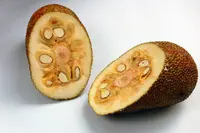
The figs often ripen with a coppery to purplish-brown skin and pale pink to amber flesh, but color intensity can vary noticeably with climate, sun exposure, and ripening stage, giving the same tree slightly different-looking fruit year to year.

Botan icon

Did you know?

Brown Turkey is one of the most widely used fig cultivars for breeding cold-hardy and adaptable figs, so many newer garden varieties selected for cooler climates list it as part of their genetic background, even when the parentage is not prominently marketed.

FAQs about Common Fig

Yes, the ripe figs are edible and widely eaten fresh, dried, or cooked. The skin, pulp, and seeds are all consumed. Unripe fruit and milky sap can irritate skin or mouth, so handle carefully.

Grow Healthy Plants with Botan Care

Keep your plants happy and healthy with plant identification, disease detection, and easy care guidance.

Botan plant care app — identify plants on mobile

Explore More Plants